
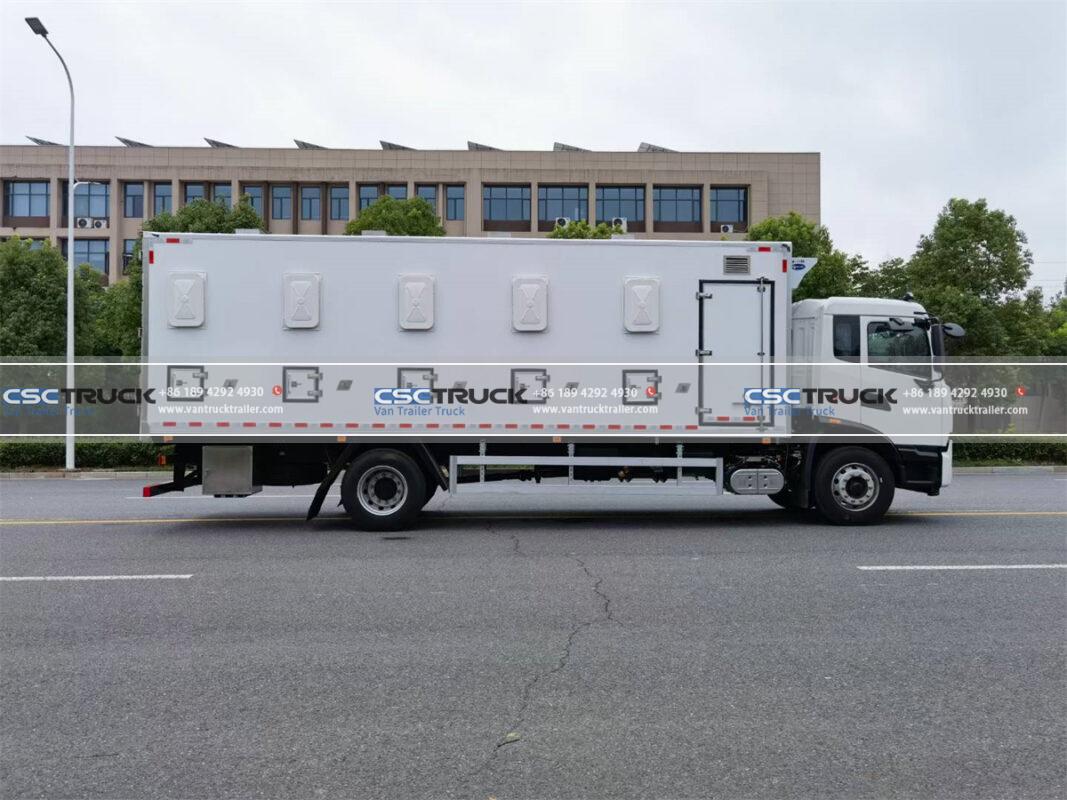
A transformative leap in protein supply chain integrity and value capture is underway in Tanzania, marked by the landmark delivery of a sophisticated fleet of purpose-built climate-controlled livestock transporters to major national meat processors. This strategic investment, realized through a high-impact collaboration between global specialized vehicle manufacturer Vantrucktrailer and a leading Tanzanian agribusiness conglomerate, directly addresses critical post-harvest losses and quality degradation historically plaguing the movement of live animals from remote pastoral regions to processing hubs and ports. Engineered specifically for East Africa’s demanding climatic extremes and infrastructure realities, these advanced vehicles establish a new paradigm for animal welfare, meat safety, and operational efficiency, empowering Tanzania to significantly enhance its domestic protein security and competitively position high-quality meat products for lucrative export markets across the Gulf, Africa, and beyond.
Engineering Excellence for Tropical Rigors
These are not merely trucks; they represent highly integrated mobile environmental control systems designed to conquer Tanzania’s unique logistical challenges. Built upon ultra-reliable heavy-duty chassis proven in punishing conditions, each unit incorporates multi-layered thermal insulation and precision-engineered refrigeration systems capable of maintaining meticulously calibrated internal temperatures (typically ranging from 15°C to 25°C depending on species and journey duration) amidst external ambient temperatures frequently exceeding 40°C. Key innovations include dual-compartment zoning for segregating different animal classes or managing recovery phases post-loading, redundant power systems combining high-output alternators with auxiliary generators and battery backups to ensure uninterrupted climate control, advanced air filtration mitigating pathogen spread and dust ingress, and structural reinforcement specifically engineered for the vibration and corrugations endemic to rural Tanzanian roads. The design philosophy prioritizes absolute climate stability and mechanical resilience to guarantee consistent performance over vast distances on often suboptimal infrastructure.
Revolutionizing Animal Welfare and Meat Quality In-Transit
The core mission of this fleet is to drastically reduce the physiological stress endured by livestock during transport, a factor critically linked to both ethical standards and the ultimate quality and safety of the meat.
- Dynamic Microclimate Optimization: Sophisticated sensor networks continuously monitor temperature, humidity, and ammonia levels within each compartment. The system automatically adjusts refrigeration output, ventilation rates, and airflow patterns in real-time, ensuring optimal conditions are maintained regardless of external weather extremes or vehicle loading density, effectively preventing heat stress and dehydration.
- Enhanced Animal Security and Comfort: Features like non-slip rubberized flooring, impact-absorbing padded partitions, low-stress loading/unloading ramps with non-reflective surfaces, and strategically placed hydration points significantly minimize physical injury, bruising, and psychological distress during transit. Compartment layouts allow for species-specific space allocation aligned with international welfare guidelines.
- Biosecurity and Hygiene Assurance: Integrated automated wash-down systems utilizing disinfectant foggers and high-pressure cleaners enable rapid, thorough decontamination between loads. Sealed waste collection tanks prevent environmental contamination and disease spread. This rigorous approach is fundamental for meeting international food safety certifications (e.g., HACCP, ISO 22000) required for premium export market access and reducing zoonotic disease risks.
Empowering Tanzania’s Meat Value Chain
The deployment of this advanced fleet delivers tangible, multi-faceted benefits across the entire Tanzanian meat sector. For local meat processors, the ability to receive livestock in a calm, rested state with significantly reduced in-transit shrink (weight loss) and virtually eliminated mortality translates directly into higher usable meat yields, improved meat tenderness and shelf-life, and reduced processing costs associated with downgraded carcasses or condemnation. This enhances both profitability and product consistency. For commercial ranchers and pastoralist collectives, access to humane, climate-controlled transport means animals arrive at market in superior condition, commanding higher base prices and opening doors to value-added premium market segments sensitive to ethical sourcing and quality. Critically, it drastically reduces the spoilage and condemnation losses that have historically eroded producer incomes. Nationally, this infrastructure is a cornerstone for reducing post-harvest protein waste, enhancing food security, and enabling Tanzania to reliably meet the stringent phytosanitary and welfare requirements demanded by high-value international buyers, thereby boosting foreign exchange earnings.
Strategic Alliance: Global Technology Meets Local Expertise
The successful realization of this ambitious fleet underscores the power of a synergistic partnership model. Vantrucktrailer brought its world-renowned expertise in designing and manufacturing mission-critical mobile environmental systems, leveraging deep knowledge of thermal dynamics, heavy-duty vehicle integration, and reliability engineering under extreme operational stress. This global capability was seamlessly fused with the indispensable on-the-ground market intelligence, established distribution and service networks, and profound understanding of Tanzanian operational nuances possessed by their major local partner. This collaboration ensured the delivered vehicles were not just technologically advanced but also meticulously adapted to the specific realities of Tanzanian geography, climate, road conditions, and livestock handling practices. The partnership guarantees comprehensive in-country technical support, readily available maintenance expertise, and a robust supply chain for critical spare parts, ensuring maximum fleet uptime during peak operational periods and protecting the substantial investment made by Tanzanian processors.
Catalyzing a Cold Chain Revolution Across Sectors
The introduction of these sophisticated climate-controlled livestock transporters signifies more than an upgrade for the meat industry; it serves as a powerful catalyst for the broader modernization of Tanzania’s temperature-sensitive logistics infrastructure. The engineering solutions proven here – maintaining precise environmental control on demanding routes using robust, energy-efficient systems – establish a compelling blueprint for other critical cold chain applications. The demonstrated reliability of these specialized platforms builds confidence for significant investments in integrated cold chain networks, essential for reducing the nation’s substantial post-harvest losses in horticulture, dairy, and fisheries. The technological principles of rugged environmental control, real-time telematics monitoring, and energy management are directly transferable to the evolution of freezer truck units for deep-frozen goods and highly adaptable van truck configurations for multi-temperature last-mile distribution of perishables. This project exemplifies how purpose-built mobile technology can unlock efficiency, enhance product quality, ensure safety, and drive sustainable economic growth, paving the way for a new era of resilient, value-generating logistics across Tanzania’s agricultural and food processing sectors.