In an era defined by rapid globalization, rising consumer expectations, and increasing pressure to reduce operational costs and environmental impact, cargo trucking has evolved far beyond traditional transportation. Modern logistics efficiency is no longer driven solely by horsepower and fuel tanks—it is powered by advanced technologies and integrated fleet solutions that transform freight movement into a highly optimized, data-driven ecosystem. This comprehensive analysis explores how contemporary cargo trucks leverage innovation to maximize efficiency across the supply chain.
1. Telematics and Real-Time Fleet Monitoring: The Nervous System of Smart Fleets
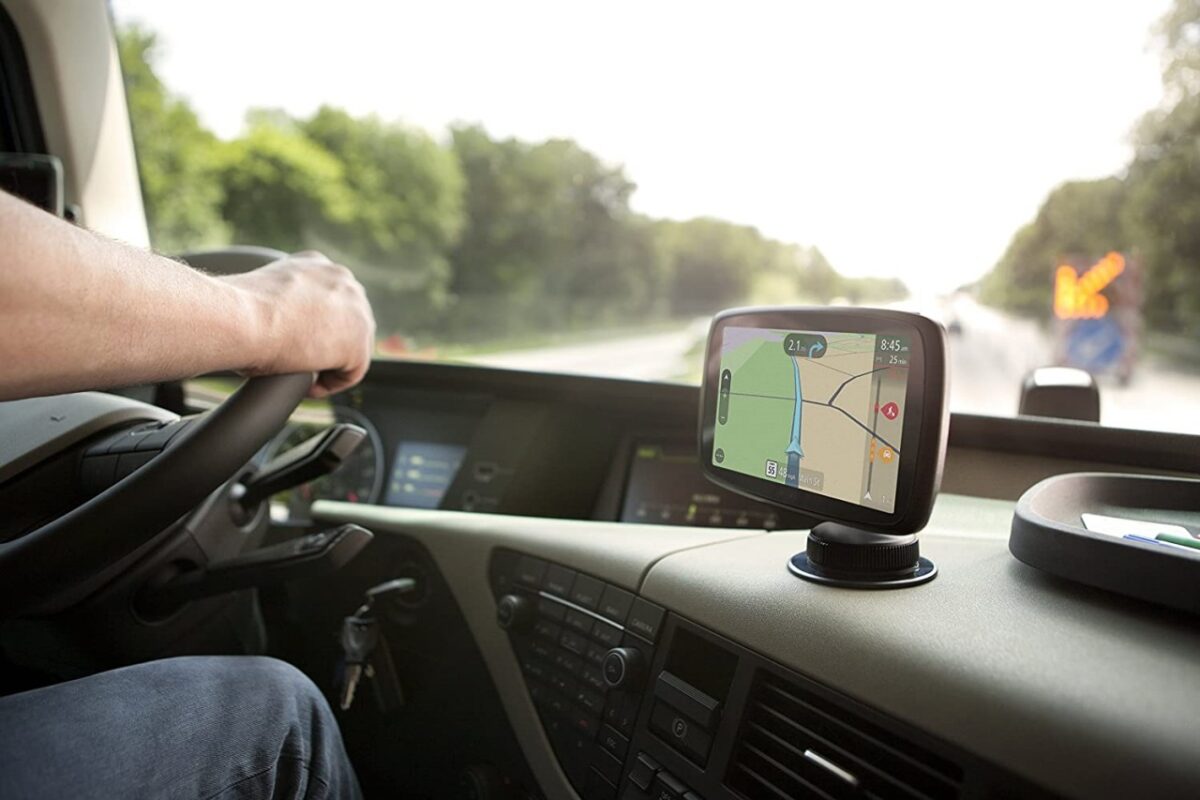
At the core of modern logistics efficiency lies telematics, a fusion of telecommunications and informatics that enables real-time monitoring of vehicle performance, location, and driver behavior.
- GPS tracking allows dispatchers to monitor routes, anticipate delays, and reroute dynamically in response to traffic or weather.
- Onboard sensors collect data on engine diagnostics, fuel consumption, idle time, and tire pressure—enabling predictive maintenance and reducing unplanned downtime.
- Driver behavior analytics (e.g., harsh braking, speeding, rapid acceleration) are used to improve safety, reduce wear-and-tear, and lower fuel use by up to 15%.
Integrated telematics platforms such as Geotab, Samsara, and Verizon Connect provide centralized dashboards where fleet managers can oversee hundreds or thousands of vehicles simultaneously—turning raw data into actionable intelligence.
Insight: Real-time visibility transforms reactive logistics into proactive management, minimizing disruptions and maximizing asset utilization.
2. Route Optimization and AI-Powered Dispatching: Intelligence Behind Every Mile
Advanced algorithms analyze vast datasets—including historical traffic patterns, delivery windows, road conditions, and even weather forecasts—to determine the most efficient routes.
- Machine learning models continuously refine routing decisions based on actual performance, adapting to urban congestion, construction zones, or seasonal demand spikes.
- Dynamic re-routing adjusts plans mid-journey, ensuring timely deliveries despite unforeseen obstacles.
- AI-powered dispatch systems match loads with the nearest available trucks, reducing empty miles (a major inefficiency in freight—nearly 35% of U.S. truck miles are driven empty).
Platforms like Trimble, OptimoRoute, and proprietary systems from companies like Amazon and UPS (e.g., ORION—On-Road Integrated Optimization and Navigation) save millions of miles annually through micro-optimized routing.
Example: UPS’s ORION system saves approximately 10 million gallons of fuel per year by cutting 100 million miles from delivery routes—proof that algorithmic precision translates directly into cost and carbon savings.
3. Fuel Efficiency and Sustainability: From Aerodynamics to Alternative Powertrains
Modern cargo trucks integrate both mechanical and digital innovations to reduce fuel consumption—a key cost center and environmental concern.
- Aerodynamic design: Trailer skirts, boat-tail devices, and low-resistance tires reduce drag, improving fuel economy by up to 10%.
- Engine optimization: Smart cruise control and automated gear shifting adjust power output based on terrain and load, maintaining optimal fuel efficiency.
- Alternative fuels and electrification: Electric trucks (e.g., Tesla Semi, Freightliner eCascadia), hydrogen fuel cells (e.g., Hyundai XCIENT), and renewable natural gas (RNG) fleets are being deployed for regional hauls, especially in urban and last-mile delivery contexts.
- Idle reduction technologies: Automatic engine shutdown/startup systems minimize unnecessary idling during rest periods.
Integrated energy management systems combine these features with route data—for instance, pre-conditioning battery temperature before entering a cold region—to extend range and reliability.
Trend: By 2030, BloombergNEF projects that over 40% of new medium- and heavy-duty trucks sold in North America will be electric, accelerating decarbonization and lowering total cost of ownership.
4. Integrated Fleet Management Platforms: Unifying Operations Across Functions
Efficiency isn’t just about individual trucks—it’s about orchestrating the entire fleet ecosystem. Integrated software platforms unify traditionally siloed functions:
| Function | Integration Benefit |
|---|---|
| Maintenance Scheduling | Syncs with telematics to auto-schedule service based on usage, not guesswork |
| Compliance & ELDs | Electronic Logging Devices ensure adherence to HOS (Hours of Service) regulations, avoiding fines |
| Fuel & Toll Management | Automated reconciliation via linked payment systems (e.g., Comdata, WEX) |
| Driver Communication | In-cab tablets enable two-way messaging, reducing phone distractions |
| Load Matching & Freight Brokerage | APIs connect with marketplaces like Convoy or Uber Freight for faster backhaul booking |
These platforms create a single source of truth for operations, finance, compliance, and customer service teams—eliminating redundant data entry and enabling faster decision-making.
Strategic Impact: Companies using integrated fleet solutions report up to 25% improvement in fleet utilization and 20% reduction in administrative overhead.
5. Data Analytics and Predictive Intelligence: Shifting from Reactive to Proactive Logistics
The true frontier of efficiency lies in leveraging big data for predictive and prescriptive analytics.
- Predictive maintenance: Algorithms forecast component failures (e.g., alternator, brake pads) weeks in advance, scheduling repairs during planned downtime.
- Demand forecasting: Historical shipment data combined with market trends helps align fleet capacity with anticipated volume, avoiding underutilization or overload.
- Risk mitigation: AI identifies high-risk drivers or accident-prone routes, enabling targeted training or rerouting.
- Performance benchmarking: Fleets compare KPIs (fuel mpg, on-time delivery %, cost per mile) across regions, seasons, or driver cohorts to identify best practices.
Moreover, integration with broader enterprise systems (ERP, SCM, TMS) enables end-to-end supply chain visibility—from warehouse departure to final delivery confirmation.
Vision: The future belongs to self-optimizing fleets—where trucks don’t just move goods, but learn, adapt, and recommend improvements autonomously.
Conclusion: The Convergence of Hardware, Software, and Strategy
Cargo trucks today are no longer mere vehicles; they are mobile data centers, energy-efficient machines, and nodes in a connected logistics network. Maximizing logistics efficiency now requires a holistic approach—one that blends cutting-edge hardware (electric drivetrains, smart sensors), intelligent software (AI, cloud platforms), and strategic integration across people, processes, and partners.
As automation advances and sustainability mandates grow, the winners in freight will be those who embrace not just technology—but digital transformation at scale. The road ahead is smart, connected, and relentlessly efficient.
“The best logistics don’t move trucks—they move information, and let the trucks follow.”