
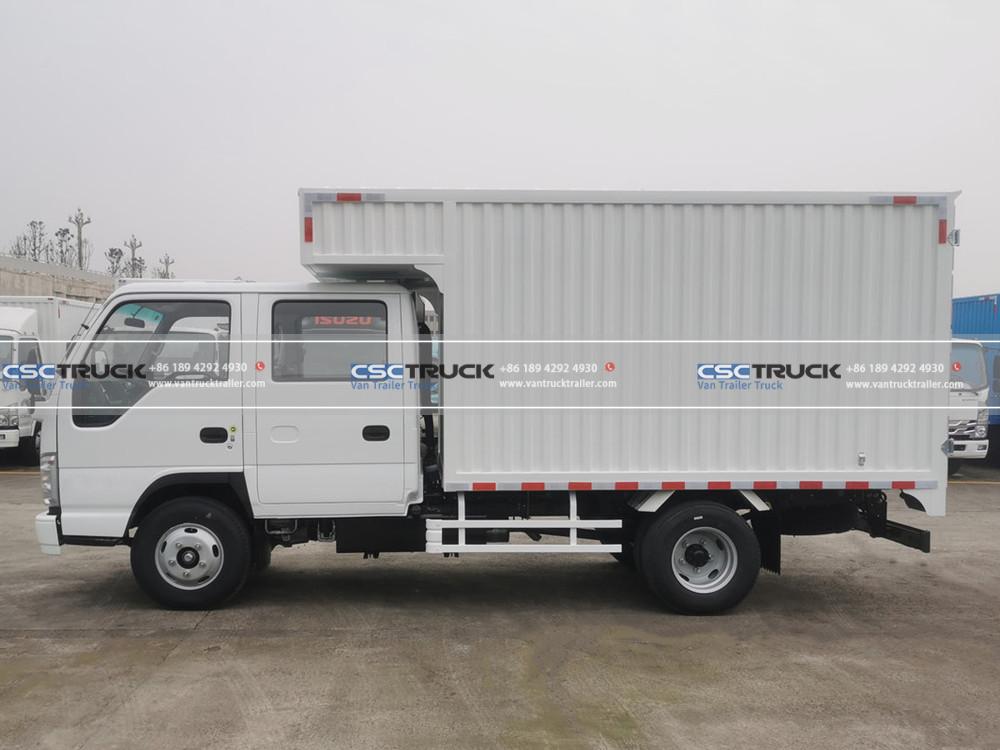
In the intricate ballet of modern logistics, the safe passage of goods demands more than just movement; it requires an environment of unwavering protection. For countless sensitive shipments – from high-value electronics and pharmaceuticals to delicate textiles and temperature-sensitive consumables – the unassuming dry van trailer serves as the first and most critical line of defense. Far from being a simple metal box, these ubiquitous workhorses are sophisticated micro-environments engineered to mitigate a complex array of threats encountered between origin and destination. Their design, construction, and operation coalesce to create a controlled sanctuary on wheels, safeguarding contents against the relentless assault of weather, physical damage, contamination, theft, and environmental fluctuations. Understanding the multifaceted protective mechanisms of the modern dry van is essential for shippers demanding reliability and integrity for their most vulnerable cargo.
The Impervious Shell: Creating a Controlled Microclimate
The fundamental protective role of a dry van trailer begins with its ability to completely isolate the cargo from the external environment, establishing a critical barrier against the most pervasive threats:
- Weatherproofing as the First Principle: Precision-engineered seals running the full perimeter of the roof, sidewalls, and rear doors form an impenetrable barrier against rain, snow, sleet, dust, and wind-driven debris. Robust, durable roof panels prevent water ingress even under prolonged exposure or high-pressure spray during washing, while reinforced door seals, often featuring intricate multi-lip designs, ensure a watertight closure at the critical rear entry point. This hermetic sealing is paramount for preventing moisture damage, which can ruin electronics, cause corrosion on metal parts, promote mold growth on organic materials, and degrade packaging integrity.
- Insulation: Mitigating Temperature Extremes: While not refrigerated, the inherent insulation properties of the trailer’s construction materials (typically aluminum or composite panels with foam cores) play a crucial role. This layer significantly slows the transfer of external heat into the cargo space during scorching summer days and retards the loss of ambient heat during cold winter transport. This buffering effect prevents rapid, damaging temperature swings that can condense moisture inside the load (causing “cargo sweat”), degrade sensitive chemical compositions, or affect the performance specifications of technical equipment, making it a vital factor beyond just basic weather exclusion.
- Ventilation: Combating Internal Condensation: Strategic passive ventilation systems, often integrated into the roof design as low-profile vents, are essential for managing the microclimate. These vents allow subtle air exchange, preventing the dangerous buildup of humid air expelled by certain cargoes (like produce or hygroscopic materials) or generated by temperature differentials. By facilitating the controlled escape of moisture-laden air, ventilation significantly reduces the risk of condensation forming on the trailer ceiling and walls, which could then drip onto the cargo below, causing water spots, staining, or even electrical shorts.
Structural Integrity: Shielding Against Physical Harm
Beyond environmental isolation, the physical structure of the trailer itself is designed to absorb impacts and provide a stable, secure platform, protecting goods from the rigors of the road:
- Robust Construction for Impact Resistance: High-strength steel undercarriages and frame rails form the backbone, designed to withstand the stresses of heavy loading, road vibrations, and minor impacts without compromising the cargo space above. Durable aluminum or composite exterior panels resist dents and punctures from flying road debris, accidental bumps during yard maneuvering, or incidental contact during loading/unloading, acting as a sacrificial shield for the contents within.
- Smooth, Protected Interior Surfaces: The interior floor, walls, and ceiling are meticulously designed to be free of sharp edges, protruding fasteners, or abrasive surfaces. High-quality plywood flooring, often treated for moisture resistance and durability, provides a stable, splinter-free base. Smooth interior linings (fiberglass-reinforced panels or laminated composites) prevent snagging on packaging, minimize abrasion damage during transit, and simplify cleaning to prevent cross-contamination between loads. This attention to interior finish is crucial for delicate items like furniture, finished goods with sensitive surfaces, or packaged electronics.
- Optimized Load Dynamics: The inherent rigidity and predictable dimensions of a dry van trailer facilitate superior cargo securement. Standardized widths and lengths allow for efficient use of load bars, straps, dunnage bags, and pallet configurations. This enables shippers and loaders to effectively immobilize goods, preventing the potentially catastrophic damage caused by load shift during acceleration, braking, or cornering. A properly secured load within a structurally sound trailer is exponentially safer.
Safeguarding Purity: The Defense Against Contamination
For shipments where cleanliness and hygiene are non-negotiable – pharmaceuticals, food-grade materials, high-end electronics, medical devices – the dry van’s role in preventing contamination is paramount:
- Sealed Environment as a Biological Barrier: The same weatherproof seals that keep water out also act as a formidable barrier against external dust, dirt, pests, and airborne pollutants. This is critical for preventing particulate matter from settling on sensitive components or contaminating sterile environments within packaged goods. Maintaining an internal environment significantly cleaner than the external atmosphere is a core protective function.
- Facilitating Impeccable Sanitation: The smooth, non-porous interior surfaces of modern dry vans are specifically chosen for their cleanability. They allow for thorough washing and sanitization between loads using high-pressure systems and approved cleaning agents. This prevents cross-contamination between different shipments, a vital requirement for food transport (even non-refrigerated dry goods) and pharmaceutical logistics adhering to strict Good Distribution Practices (GDP). The absence of crevices and seams where debris or microorganisms could harbor further enhances sanitation efficacy.
- Material Compatibility: The materials used in trailer construction (flooring resins, panel coatings, sealants) are often selected to be inert and non-offgassing, ensuring they do not introduce odors or chemical vapors that could taint sensitive products like foodstuffs, beverages, or high-value consumer goods susceptible to absorbing smells.
Fort Knox on Wheels: Ensuring Cargo Security
Protecting sensitive shipments extends beyond environmental and physical threats to include deterring and preventing theft or unauthorized access:
- Robust Locking Systems as the Primary Deterrent: High-security lock systems on the rear doors are fundamental. This includes hardened steel kingpin locks, padlock hasps compatible with massive shrouded padlocks, and increasingly sophisticated electronic locking systems that provide audit trails and remote status monitoring. These physical barriers significantly increase the time and effort required for unauthorized entry, acting as a powerful deterrent against opportunistic theft.
- Structural Deterrence: The inherent strength of the trailer body itself contributes to security. Solid walls without windows eliminate easy points of entry. Robust door hinges and striker plates are designed to resist prying or cutting attacks. While not impenetrable, the trailer’s structure forces potential thieves to employ noisy, time-consuming methods, increasing the risk of detection.
- Integration with Tracking & Monitoring: Modern dry vans readily integrate with telematics platforms and cargo security systems. While the trailer itself provides the physical barrier, these technologies offer real-time location tracking, door open/close sensors, internal motion detectors, and even geofencing alerts, creating a layered security approach that significantly enhances the protection of high-value or theft-prone sensitive shipments.
Mastering the Elements: Temperature & Humidity Mitigation Strategies
While not actively cooled or heated like a reefer, the dry van employs passive and supplemental strategies to manage internal climate extremes within a broader range:
- Passive Thermal Regulation: As mentioned, insulation is the first line of defense. Choosing trailers with high-quality core materials (like polyurethane foam) offers superior resistance to heat transfer compared to basic models. Light-colored exterior paint reflects solar radiation, significantly reducing solar heat gain during summer months compared to dark-colored trailers. Properly functioning ventilation remains crucial for expelling built-up heat and humidity.
- Strategic Loading and Vent Management: Operator knowledge is key. Ensuring adequate airflow space around pallets (especially near walls and ceilings) allows passive ventilation to function effectively. Understanding when to open or close roof vents based on external conditions (e.g., closing them during rain or dusty conditions, opening them when humidity needs reduction) optimizes the internal environment.
- Utilizing Thermal Blankets & Dunnage: For shipments requiring an extra buffer, insulated thermal blankets can be draped over palletized goods. These blankets act as a barrier, slowing temperature changes within the pallet itself. Similarly, strategic use of dunnage (like airbags or foam) not only secures cargo but can also create insulating air pockets. In extreme cases, non-powered (passive) thermal pallet covers or phase-change material (PCM) blankets can be employed within the dry van to maintain specific temperature ranges for longer durations without active refrigeration.
Preserving the Shield: Maintenance as a Critical Protection Factor
The protective capabilities of a dry van trailer are only as reliable as its physical condition. Rigorous, proactive maintenance is non-negotiable:
- Integrity of the Seal: Regular, meticulous inspection of all door seals (roof, side, rear) for cracks, tears, compression set, or debris impingement is essential. Damaged seals must be replaced immediately. Inspecting the roof for punctures, seam integrity, and sealant condition prevents water intrusion. Ensuring the floor is free of holes, rot, or weak spots maintains structural integrity and prevents moisture ingress from below.
- Structural Soundness: Routine checks of the undercarriage, frame rails, and suspension components identify stress cracks, corrosion, or damage that could compromise the trailer’s ability to protect its load during transit or handling. Walls and the roof should be inspected for dents or deformations that might affect sealing or interior clearance.
- Cleanliness Protocols: Adhering to strict cleaning and sanitation schedules appropriate for the types of sensitive cargo typically hauled is vital. This includes removing debris that could damage goods or harbor contaminants and using correct cleaning agents that won’t damage surfaces or leave residues. A clean trailer is intrinsically more protective.
The Specialized Ecosystem: Dry Vans in Context
The dry van trailer excels within a broader logistics framework, its protective role defined by its specific design compared to other equipment:
- Contrast with Open Equipment: Unlike flatbeds or conestogas (which offer top coverage but open sides), the dry van’s fully enclosed nature provides unparalleled defense against weather, dust, theft, and physical contact from the sides. It’s the definitive choice when complete environmental isolation is required, which is seldom the case for bulk commodities like steel coils or machinery often moved on open decks.
- Versus Temperature-Controlled Units: While reefer trailers offer active heating and cooling, they come with significantly higher costs and complexity. Dry vans provide a vastly more economical solution for goods that simply need protection from extremes and moisture but do not require a specific, narrow temperature band. Many sensitive shipments fall into this category.
- Complementing Specialized Haulers: The dry van’s role is distinct from, yet complementary to, specialized carriers. The brute-force capability of a dump truck is engineered for moving and unloading massive volumes of aggregate or bulk materials, prioritizing payload and discharge mechanisms over environmental protection – a role the dry van is wholly unsuited for. Similarly, a curtainsider offers faster access and versatility for mixed pallets but sacrifices the absolute weatherproof and security seal of a solid-sided dry van. Even within enclosed rigid bodies, the specific configurations and reinforcement needs of a dedicated cargo truck designed for heavy equipment transport differ significantly from the standardized, volume-optimized protection focus of the highway dry van trailer. Each vehicle, from the rugged dump truck to the versatile cargo truck, fulfills a niche, with the dry van remaining the undisputed champion for safeguarding sensitive general freight within its enclosed, controlled space across vast highway networks. Its enduring prevalence is a testament to its unmatched ability to deliver goods in the same pristine condition they were loaded, mile after mile.