In the demanding world of field service, where response time is currency and technical capability defines success, the mobile workshop truck has evolved far beyond a mere vehicle upgrade; it represents a transformative operational hub. Moving from a standard service van to a fully customized mobile workshop signifies a commitment to peak efficiency, superior on-site repair capability, and a significant competitive advantage. This transition, however, demands meticulous planning and strategic customization. A generic, off-the-shelf solution inevitably falls short of addressing the unique challenges faced by different trades – whether it’s an industrial machinery technician needing heavy-duty tools and parts inventory, a telecom engineer requiring delicate fiber optic splicing stations, or an event technician managing complex mobile stage truck deployments. Tailoring your rolling workshop is not an expense but a strategic investment, ensuring every cubic inch of space and every installed feature directly contributes to maximizing technician productivity, first-time fix rates, and overall service profitability. The process involves a deep dive into operational workflows, environmental demands, technological integration, and future-proofing to create a truly bespoke solution that becomes an indispensable extension of your field service team.
Laying the Foundation: Defining Your Operational Requirements
Before sketching a single cabinet layout or selecting a workbench, a rigorous assessment of your specific operational needs is paramount. This foundational step ensures the final customization aligns perfectly with the realities of your daily work.
- Conducting a Comprehensive Workflow Audit: Begin by meticulously documenting the types of repairs and maintenance tasks your technicians perform most frequently. Analyze the tools required – their size, weight, frequency of use, and any special storage or handling needs (e.g., calibration, security for high-value items). Simultaneously, catalog the critical spare parts and consumables consumed regularly on-site; understanding volume, turnover rates, and packaging dimensions is crucial for efficient on-board inventory design. Furthermore, consider the environments technicians operate within – will they face extreme heat, cold, dust, moisture, or require access to remote locations with challenging terrain? Quantify the number of technicians typically working within the vehicle simultaneously and the duration they spend on-site per job, as this directly impacts space requirements for movement, tool access, and potential rest needs during extended shifts, ensuring the mobile workshop environment supports sustained productivity and well-being.
Optimizing the Workspace: Designing for Efficiency and Ergonomics
The interior layout is the beating heart of your mobile workshop truck, where thoughtful design translates directly into minutes saved per job and reduced physical strain on your most valuable asset – your technicians.
- Strategic Workflow Zoning: Divide the interior into logical zones based on task sequence and frequency. A primary service workbench, often positioned near a roll-up door for ample light and ventilation, serves as the central repair station; its height should be adjustable or optimized for standing work to prevent back strain, and it must incorporate sufficient power outlets (110V/220V AC, 12V/24V DC), data ports, and robust task lighting. Surrounding this core area, implement a sophisticated modular storage system comprising heavy-duty drawer cabinets, sliding trays, bin rails, and specialized racks designed specifically to hold tools and parts securely in transit while allowing instant, intuitive access during work; prioritize positioning for the most frequently used items within the “golden zone” – easily reachable without bending or stretching. Dedicate secure, lockable compartments for hazardous materials (flammables, batteries, chemicals) compliant with transport regulations, and incorporate integrated solutions for waste storage (used oil, coolant, metal shavings) to maintain a clean and compliant workspace, directly contributing to workshop safety and environmental responsibility.
- Maximizing Vertical Space and Accessibility: Exploit the full height of the box interior with tall, robust shelving units secured directly to the walls or frame, utilizing the often-underused upper space for bulkier, less frequently needed items or bulky spare parts inventory. Incorporate sliding or folding mechanisms for larger equipment like welding machines, generators, or diagnostic carts, allowing them to be securely stowed yet rapidly deployed without cumbersome lifting or repositioning. Ensure all storage solutions feature positive latching mechanisms proven to withstand the vibrations and shocks inherent in road travel, guaranteeing that tools and parts remain organized and undamaged, preserving tool integrity and eliminating frustrating searches upon arrival at the job site, a critical factor in achieving rapid on-site readiness.
Engineering the Environment: Climate, Power, and Lighting Systems
Creating a functional workspace demands controlling the internal environment and ensuring reliable, abundant power – factors that directly impact both equipment reliability and technician effectiveness, especially during extended deployments or in harsh weather.
- Ensuring Thermal Stability and Air Quality: Installing a robust HVAC system specifically engineered for vehicle applications is non-negotiable for workshops operating in regions with temperature extremes; it protects sensitive electronic diagnostic equipment from heat damage or condensation and provides a habitable environment for technicians, preventing heat stress or cold-related inefficiencies. Complement this with a high-volume ventilation system, potentially incorporating explosion-proof components if flammable vapors are present, to rapidly evacuate fumes from welding, solvents, or exhaust gases, safeguarding air quality and meeting stringent workshop safety standards. For workshops frequently operating in dusty or dirty environments, consider integrating positive pressure systems or enhanced filtration on the HVAC to minimize particulate intrusion that can damage sensitive tools and electronics, ensuring a consistently controlled workshop environment conducive to precision work.
- Building a Robust and Redundant Power Infrastructure: The cornerstone of a capable mobile workshop is an electrical system designed to exceed peak demand. This typically involves a large-capacity deep-cycle auxiliary battery bank isolated from the truck’s starter batteries, continuously charged by a high-output alternator and/or solar panels mounted on the roof for sustainable energy harvesting. Integrate a sufficiently sized pure sine wave inverter to generate clean, stable AC power for sensitive electronics and power tools, and install a diesel generator as a backup or primary power source for high-demand applications like welding or heavy machinery testing, ensuring operational resilience regardless of external power availability. Strategically placed power distribution panels (both AC and DC) throughout the workspace, featuring clearly labeled circuits and adequate overcurrent protection, are essential for safe and convenient access to electricity at every workstation. Furthermore, incorporating a shore power connection allows technicians to plug into site power when available, conserving onboard fuel and battery life, a simple feature that significantly enhances workshop efficiency.
Illuminating Success: Advanced Lighting Solutions
Superior illumination is critical for precision work, safety, and productivity, particularly during night operations or in poorly lit environments. Moving beyond basic interior lights is essential for a professional mobile workshop truck.
- Interior Workspace Illumination: Implement layered LED lighting throughout the interior. Bright, shadow-minimizing overhead LED panels provide general ambient light. Focused, high-CRI (Color Rendering Index) LED task lights mounted directly above the main workbench and other critical areas ensure accurate color perception and detail visibility for intricate repairs. Under-cabinet LED strips illuminate countertop workspaces, while low-level LED marker lights enhance safety when moving in dim conditions. Integrating motion sensors or zone controls can optimize energy use from the auxiliary battery bank.
- Exterior and Task Lighting: Externally, powerful LED floodlights or light towers mounted on the roof or service body provide broad-area illumination for nighttime repairs, equipment setup, or working in unlit areas. Adjustable LED work lights on telescoping or magnetic mounts offer flexible, directional lighting for specific tasks under the hood or beneath machinery. For workshops specializing in event support or configured as a mobile stage truck, sophisticated, controllable LED truck lighting systems for stage decks, truss, and perimeter safety lighting become a core customization element. These advanced systems transform the vehicle into a self-sufficient lighting platform, demonstrating the versatility achievable through thoughtful customization.
Integrating Technology: The Connected Mobile Workshop
Modern field service demands connectivity and data access. Integrating technology transforms the mobile workshop truck from a tool carrier into a smart command center.
- On-Board Computing and Connectivity: Install ruggedized tablets or vehicle-mounted computers running comprehensive field service management (FSM) software, providing real-time job data, equipment manuals, parts catalogs, and invoicing capabilities. Ensure seamless mobile connectivity via cellular routers with potential Wi-Fi/cellular failover, and consider satellite options for operations in remote areas. Integrate on-board diagnostics interfaces for the equipment your technicians service, allowing direct data access and troubleshooting. Implement GPS tracking and telematics for fleet management, route optimization, and security monitoring (geofencing). A centralized network hub manages data flow between devices, printers, and potentially cloud-based platforms, creating a fully connected workshop environment that keeps technicians informed and efficient.
Addressing Specialized Applications: Beyond Standard Repairs
Certain operational models demand configurations that push beyond the typical repair workshop setup, showcasing the incredible adaptability of the platform.
- The Mobile Stage & Event Support Truck: For businesses servicing the events industry, the mobile stage truck configuration is a prime example of specialization. Customization focuses on secure transport and rapid deployment of staging components, trussing, audio-visual equipment, and lighting (LED truck systems). This involves specialized heavy-duty racking with integrated lifting points, large roller decks for stage decking, climate-controlled compartments for sensitive electronics, massive power generation/distribution systems, and often sophisticated cable management solutions. The interior may be designed for equipment prep and minor repairs, but the core function revolves around efficient transport and setup logistics for event infrastructure.
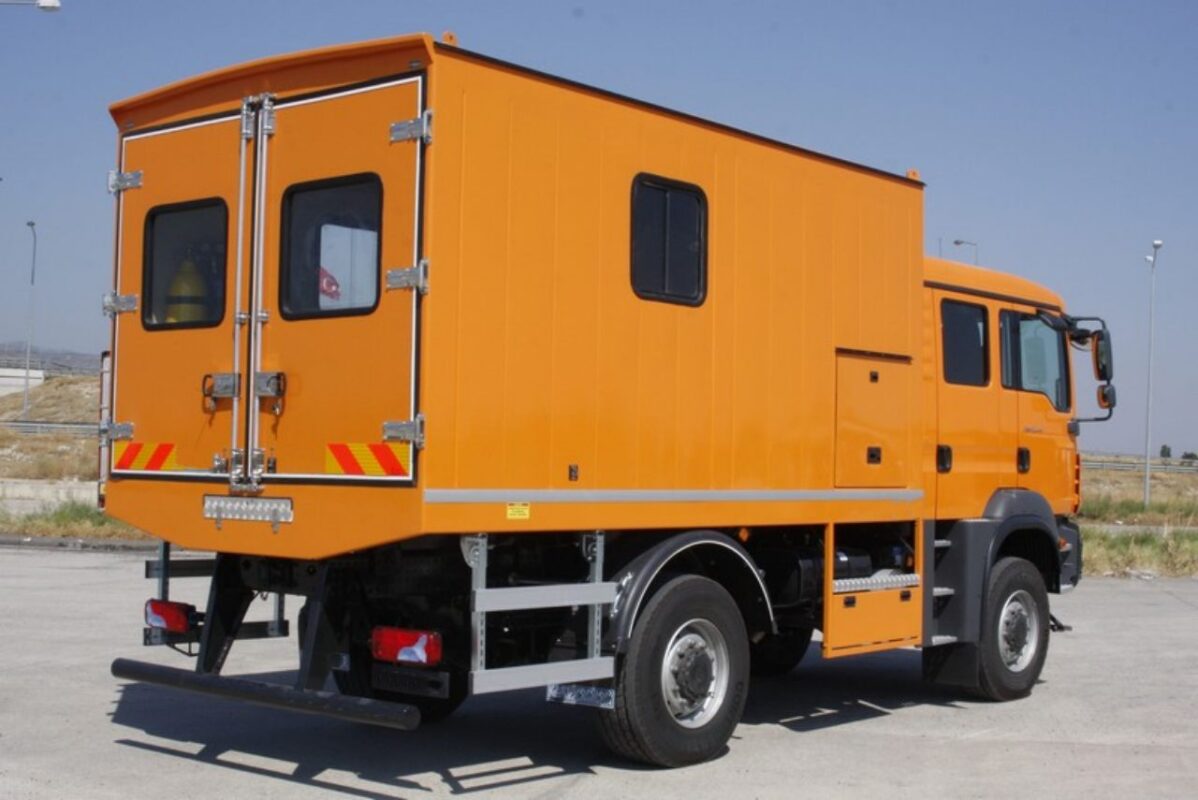
- Heavy-Duty and Niche Industrial Solutions: Workshops servicing mining, construction, or heavy industrial sectors require extreme durability. This means upgrading to heavier-duty chassis, reinforced flooring and walls, enhanced suspension systems, and potentially integrated cranes or lifting equipment. Customizations might include welding gas bottle racks with integrated securing chains, dedicated compartments for bulky welding machines and cutting equipment, large fluid transfer systems for fuels or lubricants, and enhanced exterior lighting and safety features for hazardous environments. The focus is on robustness and specialized capability to handle the toughest on-site challenges.
Selecting the Right Partner and Embracing Future-Proofing
The complexity of building a truly effective mobile workshop truck necessitates partnering with experienced specialists who understand both vehicle engineering and the nuances of field service workflows.
- Collaborating with Custom Fabrication Experts: Engage reputable mobile workshop builders like Vantrucktrailer early in the process. Their expertise in chassis selection (payload capacity, GVWR), body engineering (durability, weight distribution), and industry best practices is invaluable. Look for partners offering comprehensive design consultation, detailed CAD modeling to visualize layouts, and proven experience in your specific sector. Their knowledge of regulations (DOT, safety), material selection (lightweight composites vs. steel), and integration of complex systems (HVAC, electrical) ensures the final build is not only functional but also compliant, durable, and optimized for long-term value. A collaborative approach, where your operational insights meet their fabrication expertise, yields the most effective bespoke workshop solution.
- Designing for Adaptability and Long-Term Evolution: Field service demands are dynamic. Employ a modular design philosophy wherever possible – using standardized mounting systems for racks and equipment, designing storage with adjustable shelving, and leaving some conduit/spare circuit capacity for future additions. Select high-quality, durable components throughout to minimize downtime for repairs and extend the workshop’s operational lifespan. Consider the potential integration of emerging technologies like enhanced battery storage, more efficient solar power integration, or advanced telematics during the initial design phase, even if not implemented immediately. This forward-thinking customization ensures your significant investment remains a potent competitive asset for years to come, adapting seamlessly as your service offerings and the technological landscape evolve, guaranteeing your mobile workshop continues to drive unparalleled field service excellence wherever the road takes your team.