In the high-stakes world of perishable logistics, where a single degree of deviation can mean the difference between profit and catastrophic loss, maintaining precise temperature control within reefer trucks is not merely an operational task – it’s the absolute bedrock of product integrity, regulatory compliance, and business viability. The refrigerated trailer, or reefer unit, represents a complex, self-contained climate control system hurtling down highways, battling external temperature extremes, humidity fluctuations, solar radiation, frequent door openings, and the inherent thermal characteristics of the cargo itself. Achieving and sustaining the set point temperature demands far more than simply turning on the refrigeration unit; it requires a holistic, disciplined approach encompassing meticulous preparation, strategic loading, vigilant monitoring, proactive maintenance, and a deep understanding of the interplay between the equipment, the environment, and the cargo. Failure is not an option when transporting pharmaceuticals demanding strict temperature uniformity, fresh produce susceptible to chilling injury or accelerated ripening, or frozen goods where even partial thawing compromises safety and texture. This comprehensive guide delves into the critical practices that ensure your reefer becomes a fortress of thermal stability, safeguarding valuable shipments and reinforcing the resilience of your cold chain from origin to destination.
Laying the Foundation: Pre-Trip Inspection & Unit Readiness
The journey towards flawless temperature management begins long before the wheels start turning. A rigorous, systematic pre-trip inspection is non-negotiable, transforming potential roadside emergencies and cargo losses into preventable scenarios. Treating this process with anything less than utmost diligence is an invitation for disaster:
- Comprehensive Mechanical & Electrical Check: Initiate a full systems test using the unit’s diagnostic controls. Verify the compressor engages smoothly, the condenser fan operates at all speeds, and the evaporator fan(s) blow with strong, unobstructed airflow. Listen intently for unusual noises – grinding, rattling, or excessive vibration can signal impending component failure. Inspect all visible wiring harnesses for fraying, corrosion, or damage. Ensure electrical connections at the tractor (if trailer-mounted) or the truck’s power take-off (PTO) system (if unit-mounted on a cargo truck) are secure, clean, and capable of delivering the required voltage and amperage without fluctuation. Test the functionality of all control sensors, especially the return air and supply air sensors, as their accuracy is paramount for unit operation.
- Seal Integrity & Airflow Pathway: The physical integrity of the trailer box is as crucial as the refrigeration unit itself. Conduct a meticulous inspection of all door gaskets and seals. Look for cracks, tears, brittleness, or sections pulled away from the frame. Even minor gaps allow massive infiltration of unconditioned air, overwhelming the unit’s capacity. Inspect the interior floor, walls, and ceiling for damage, delamination, or punctures that compromise insulation value. Ensure the evaporator coils are clean and free of ice buildup or debris that drastically reduces heat transfer efficiency. Verify that the T-bar floor channels and any side wall or ceiling air chutes are completely unobstructed – pallets, packaging materials, or debris blocking these pathways prevent cold air from circulating properly around the cargo, creating dangerous hot spots and jeopardizing temperature uniformity.
- Fuel & Defrost Verification: For diesel-powered units, confirm an adequate fuel level for the entire journey, plus a significant safety margin. Running out of fuel mid-transit guarantees a thermal breach. Test the automatic defrost cycle – excessive frost on the evaporator coils acts as an insulator, crippling cooling capacity. Ensure the cycle initiates correctly, heats effectively, and terminates properly without error codes. Verify the condensate drain is clear, preventing water accumulation that can freeze or lead to biological growth. Document every step meticulously.
The Art of the Load: Optimizing Cargo Placement for Thermal Stability
How cargo is arranged within the reefer trailer fundamentally dictates the unit’s ability to maintain the desired environment. Loading is a strategic exercise in physics, not merely stacking boxes:
- Pre-Cooling: Non-Negotiable Foundation: Pre-cool the trailer’s cargo space to the exact set point temperature before loading begins. Loading warm cargo into a warm trailer forces the refrigeration unit into a desperate, energy-intensive catch-up mode it may never win, risking immediate temperature excursions. Similarly, the cargo itself must be at or very near the target temperature upon loading. Never assume ambient-temperature pallets will cool sufficiently during transit; they act as massive heat sinks.
- Strategic Airflow Management: The refrigeration unit cools air, not the cargo directly. Efficient cooling relies on creating a continuous, unimpeded channel for cold air to flow from the unit’s evaporator, through the cargo, and back to the return air sensor. Treat the T-bar floor channels as sacred pathways. Use sturdy, intact pallets that sit flat and allow air to pass underneath. Load cargo tightly together across the width and length of the pallet to prevent air from “short-circuiting” through gaps between boxes instead of penetrating the load. Maintain critical air space (typically 6-8 inches) between the top of the load and the ceiling, and ensure several inches of clearance between the load and the rear doors. This space allows cold air to flow over the top of the load and circulate back towards the front.
- Load Configuration & Compatibility: Avoid mixing incompatible products unless explicitly approved and meticulously planned. Products emitting high levels of respiratory heat (e.g., some fresh fruits) can warm neighboring sensitive cargo (e.g., leafy greens). Ensure the total weight and volume of the load align with the unit’s rated capacity; overloading thermally or physically overwhelms the system. Distribute weight evenly to maintain safe handling characteristics. For partially loaded trailers, use load bars or air bags to secure the cargo and prevent shifting that could block airflow or damage the product or trailer walls. Consider the heat load characteristics of your specific cargo and plan accordingly.
Vigilance in Motion: Real-Time Monitoring & En Route Protocols
Temperature control is a dynamic process requiring constant attention throughout the journey. Complacency during transit is a primary cause of undetected failures:
- Continuous Monitoring & Alarm Management: Modern telematics systems provide real-time visibility into the reefer unit’s performance and cargo space conditions. Monitor both supply air (temperature of air leaving the evaporator) and return air (temperature of air returning to the unit) readings. A widening gap between these temperatures often indicates airflow obstruction or excessive product heat load. Crucially, set audible and visual high and low temperature alarms on the unit’s controller and ensure they are routed to the driver’s cab. Configure telematics to send immediate alerts to fleet managers/dispatchers for any temperature excursion or critical unit fault (e.g., fuel low, high discharge pressure, engine failure). Never rely solely on checking readings at stops; real-time alerts are essential for rapid intervention.
- Driver Awareness & Intervention: Drivers are the first line of defense. They must be thoroughly trained to understand the critical parameters displayed on the reefer unit controller and telematics dashboard. Drivers should visually inspect the unit’s operation during mandatory stops – listening for normal running sounds, checking for visible exhaust (indicating the diesel engine is running), and verifying no warning lights are illuminated. They must know basic troubleshooting steps (e.g., checking circuit breakers, ensuring trailer is plugged in) and the immediate protocol for contacting dispatch/maintenance if an alarm triggers or any anomaly is observed. Minimize door opening time during stops to prevent massive heat and humidity intrusion.
- Contingency Planning & External Factors: Anticipate challenges. Monitor weather forecasts along the route; extreme ambient heat or cold significantly increases stress on the unit. Plan routes considering traffic congestion and border crossing times where delays can occur. Have clear, pre-defined escalation paths for drivers to report issues and for dispatchers to coordinate rapid roadside assistance from qualified reefer technicians if needed. Seconds count when temperatures start to deviate.
Sustaining Peak Performance: Proactive Maintenance & Component Care
Reliable temperature control is impossible without a rigorous, proactive maintenance schedule. Reactive repairs after a failure often mean lost cargo:
- Scheduled Preventative Maintenance (PM): Adhere strictly to the OEM’s recommended service intervals, but consider increasing frequency for units operating in harsh conditions (extreme heat, dusty environments, constant heavy loads). Key PM tasks include: changing engine oil, fuel, and air filters; inspecting and adjusting drive belts for tension and wear; cleaning condenser coils thoroughly (dirt and debris are the #1 cause of reduced cooling capacity and high head pressure); checking refrigerant levels and inspecting for leaks; testing and calibrating temperature sensors; lubricating moving parts; inspecting electrical connections and wiring; and verifying the accuracy of the control system.
- Deep Cleaning & Airflow Optimization: Beyond basic PM, schedule periodic deep cleaning of the entire air pathway. This involves professionally cleaning evaporator coils to remove embedded grime and biological growth that simple rinsing cannot eliminate. Ensure the condensate drain pan and line are cleaned and treated to prevent algae and mold, which can clog the drain and create odors. Inspect and clean the T-bar floor grooves and any air chutes of accumulated debris. Verify evaporator and condenser fan blades are clean and undamaged.
- Component Health & System Diagnostics: Utilize the unit’s onboard diagnostic capabilities during every PM. Review historical fault code logs to identify recurring issues or components showing early signs of wear (e.g., slightly elevated pressures, longer pull-down times). Don’t ignore minor fluctuations; they often precede major failures. Proactively replace aging components like sensors, belts, or hoses based on service life recommendations and diagnostic trends, not just when they break. Keep detailed maintenance records for each unit.
Integration and Nuance: Beyond the Standard Reefer Trailer
While the 53-foot refrigerated trailer is the workhorse of long-haul perishable transport, temperature control principles must adapt to diverse vehicle types within a fleet, each presenting unique challenges and requiring specific considerations alongside the core fundamentals of pre-cooling, airflow, monitoring, and maintenance:
- Multi-Temp Reefers: Trailers with multiple, independently controlled temperature zones are increasingly common for complex loads. Maintaining temperature uniformity within each zone demands even stricter adherence to loading protocols (perfectly sealed bulkheads are critical) and sophisticated monitoring systems capable of tracking each zone’s return air and supply air independently. Maintenance complexity increases proportionally.
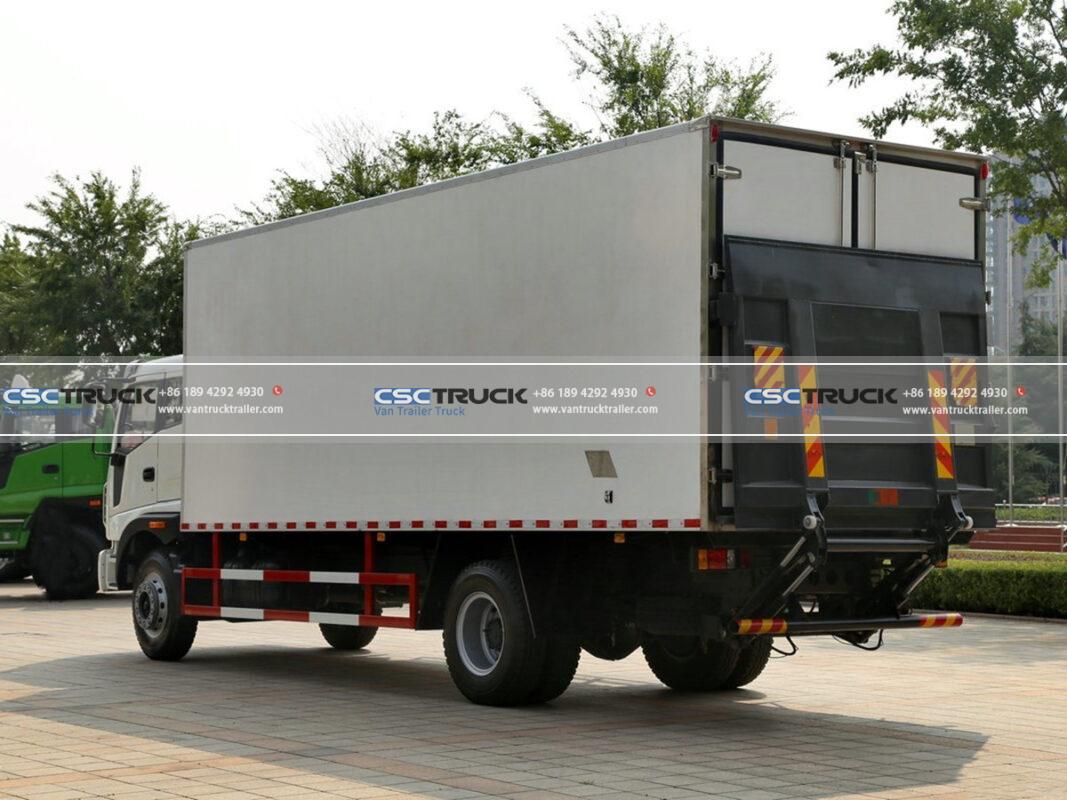
- Refrigerated Cargo Trucks (Straight Trucks): These integrated units, where the box is permanently mounted on a truck chassis, are vital for regional distribution, dedicated routes, and last-mile delivery. While sharing core refrigeration technology with trailers, their proximity to the truck’s engine and exhaust systems can create localized heat challenges requiring additional insulation or shielding checks. Vibration levels are often higher, necessitating more frequent inspections of electrical connections and component mounts. The driver’s direct access to the unit allows for quicker visual checks but also places greater responsibility for basic operational awareness. Airflow management remains paramount, though the internal configuration (often without a T-bar floor) requires careful cargo stacking to ensure channels exist for air circulation from front to back and return.
- Refrigerated Van Trucks (Smaller Box Vans & Cutaways): These smaller units, ubiquitous in grocery delivery, pharmaceutical logistics, and food service, operate in highly dynamic environments characterized by frequent stops, door openings, and significant variations in heat load as cargo is loaded/unloaded throughout the day. Pre-cooling the cargo space before each major loading phase is critical. Rapid pulldown capability after door openings is a key performance requirement. Insulation quality is paramount due to the higher surface-area-to-volume ratio. Monitoring often relies heavily on robust dataloggers (in addition to the unit controller) due to less frequent integration with advanced telematics compared to larger units. Maintenance intervals might need adjustment based on the intense stop-start duty cycle. The principles of preventing hot spots through strategic loading and ensuring unobstructed evaporator airflow are just as vital, albeit scaled down.
Mastering temperature control across this diverse fleet landscape ensures that regardless of the vehicle size or route complexity, the integrity of the cold chain remains unbroken. Consistent application of these rigorous protocols transforms temperature management from a constant worry into a dependable cornerstone of operational excellence, protecting valuable products, ensuring regulatory adherence, and building an unshakeable reputation for reliability in the demanding world of perishable logistics.