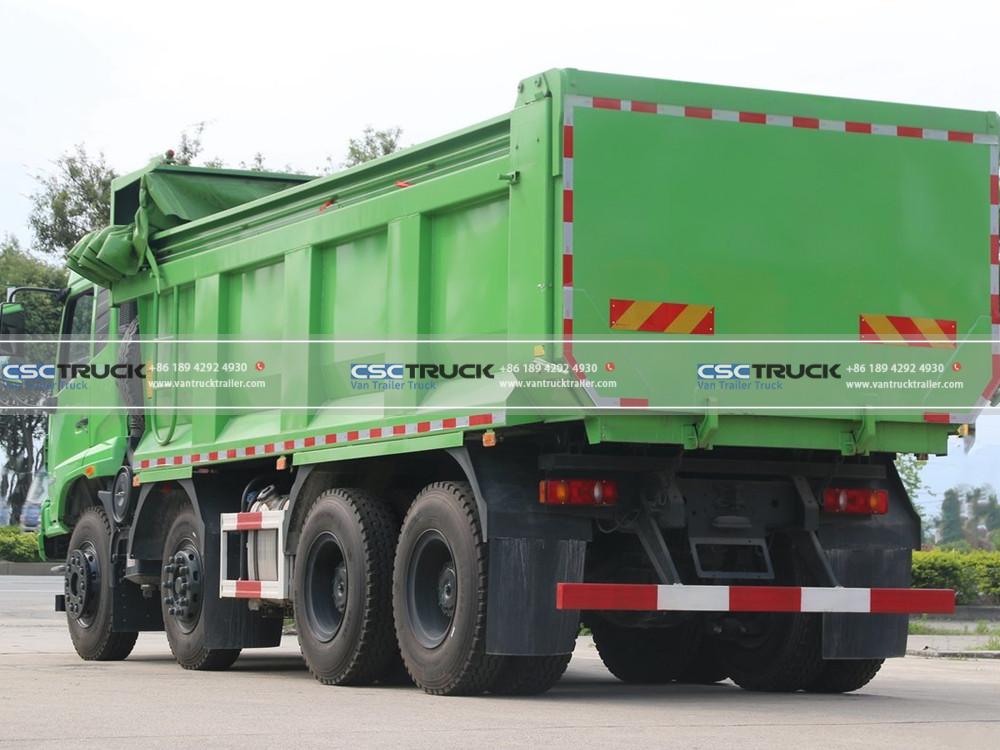
In a transformative move for North America’s most prolific energy corridor, Permian Basin operators have commenced large-scale deployment of engineered custom dump trucks specifically designed for shale transport challenges. The $47 million capital investment targets chronic bottlenecks in moving fractured rock across 14,000+ square miles of West Texas and southeastern New Mexico terrain. According to field reports from Eddy County pilot sites, the specialized fleet has already reduced material transfer cycles by 22% compared to conventional equipment, translating to projected annual savings exceeding $15 million across initial deployment zones. This strategic initiative stems from a landmark agreement between heavy transport innovator Vantrucktrailer and a regional energy conglomerate (undisclosed per confidentiality terms) to reimagine extraction logistics through integrated engineering solutions.
Engineering Breakthroughs Driving Operational Transformation
Terrain-Optimized Mechanical Architecture
The proprietary heavy-duty design features triple-reinforced chassis construction and adaptive hydraulic suspension systems capable of maintaining stability on 18-degree drill pad inclines with 28-ton shale payloads. Critical innovations include automated tarping mechanisms that eliminate fugitive particulate emissions during transport and radar-based load monitoring that dynamically adjusts weight distribution. Field stress tests conducted throughout Q3 2025 demonstrated 40% fewer suspension failures than industry-standard dump trucks while maintaining 98% operational availability despite surface temperatures exceeding 110°F (43°C). The mineral-coated dump bodies further resist abrasion from high-silica content shale fragments that typically degrade conventional containers within six months of operation.
Digitally Integrated Deployment Framework
A phased deployment strategy prioritized high-volume fracking sites across Reeves and Lea counties before expanding into Midland Basin operations. Each transfer point features synchronized operator certification through virtual reality simulators replicating extreme weather scenarios, complemented by onsite mentoring from Vantrucktrailer engineers. The cloud-based telematics platform enables real-time coordination with sand depot scheduling systems and produced water transfer operations, creating a closed-loop materials handling ecosystem. Preliminary operational data reveals 18% compression in well completion timelines due to eliminated equipment wait cycles and 31% fewer vehicular incidents despite handling 45% increased daily tonnage throughput across participating sites.
Strategic Contractual Framework and Industry-Wide Implications
The five-year master service agreement establishes groundbreaking performance benchmarks, linking 17% of contractual payments to measurable fuel efficiency gains and 99% maintenance uptime compliance. Beyond the initial 127-unit deployment, the framework includes scalable options for electric drivetrain retrofits and hydrogen-compatible powertrains as decarbonization initiatives accelerate. Industry analysts note this collaboration has already stimulated secondary equipment markets, with procurement teams expanding orders for dry van truck fleets to transport modular facility components and specialized cargo truck configurations for hazardous material logistics. The operational model pioneered here is projected to influence heavy equipment specifications across major shale plays through 2030, potentially reducing industry-wide transport costs by $2.8 billion annually according to Wood Mackenzie projections.
The initiative’s environmental calculus proves equally significant: By optimizing payload efficiency and route algorithms, the custom fleet reduces aggregate vehicle miles by approximately 1.2 million annually across the Permian region. This translates to an estimated 8,500-ton reduction in CO₂ emissions – equivalent to removing 1,800 passenger vehicles from roadways – while simultaneously decreasing road degradation repair costs for local municipalities by $4.7 million per fiscal year. As drilling intensity increases toward projected 2026 production peaks, this reengineered transport infrastructure provides the critical path for sustainable scalability in unconventional resource development.