The Strategic Role of Telematics in Modern Transportation
The logistics industry in the Middle East is undergoing rapid transformation, driven by the demand for faster delivery cycles, greater transparency, and tighter cost management, and in this environment, telematics-enabled trucks are emerging as a critical factor in reshaping how fleets operate. By combining GPS tracking, real-time diagnostics, route optimization, and remote monitoring capabilities, telematics systems not only streamline fleet oversight but also help operators make informed decisions that cut waste, prevent downtime, and enhance safety, and this has become particularly vital in regions where long-distance transport of both cargo and livestock is central to economic activity.
Unlike conventional tracking solutions that provide only location data, advanced telematics platforms integrate information from vehicle sensors, fuel consumption patterns, driver behavior, and even external environmental conditions, which means that fleet managers can identify inefficiencies before they escalate into costly issues. Whether the challenge is reducing fuel expenses on desert routes or ensuring that perishable goods maintain stable temperatures across cross-border hauls, telematics offers actionable insights that protect margins and improve reliability.
Addressing the Unique Demands of Cargo and Livestock Transport
Cargo Fleet Monitoring and Operational Precision
Managing cargo fleets in the Middle East requires precise coordination, especially given the expansive geography and the frequent need for cross-border transport, and telematics empowers operators by providing real-time visibility of each truck, shipment status, and driver compliance with assigned schedules. Fleet managers gain the ability to proactively reroute vehicles around congestion or disruptions, minimize idling, and schedule predictive maintenance, ensuring that trucks spend more time on the road and less in workshops.
Furthermore, the ability to monitor driver performance in detail has elevated safety standards, as excessive speeding, hard braking, or reckless driving can be identified instantly and corrected through coaching or training programs. By enhancing accountability, operators not only safeguard goods but also reduce insurance costs and protect brand reputation, and this holds particular weight in competitive logistics markets where service quality is a major differentiator.
Livestock Transport: Welfare and Efficiency Combined
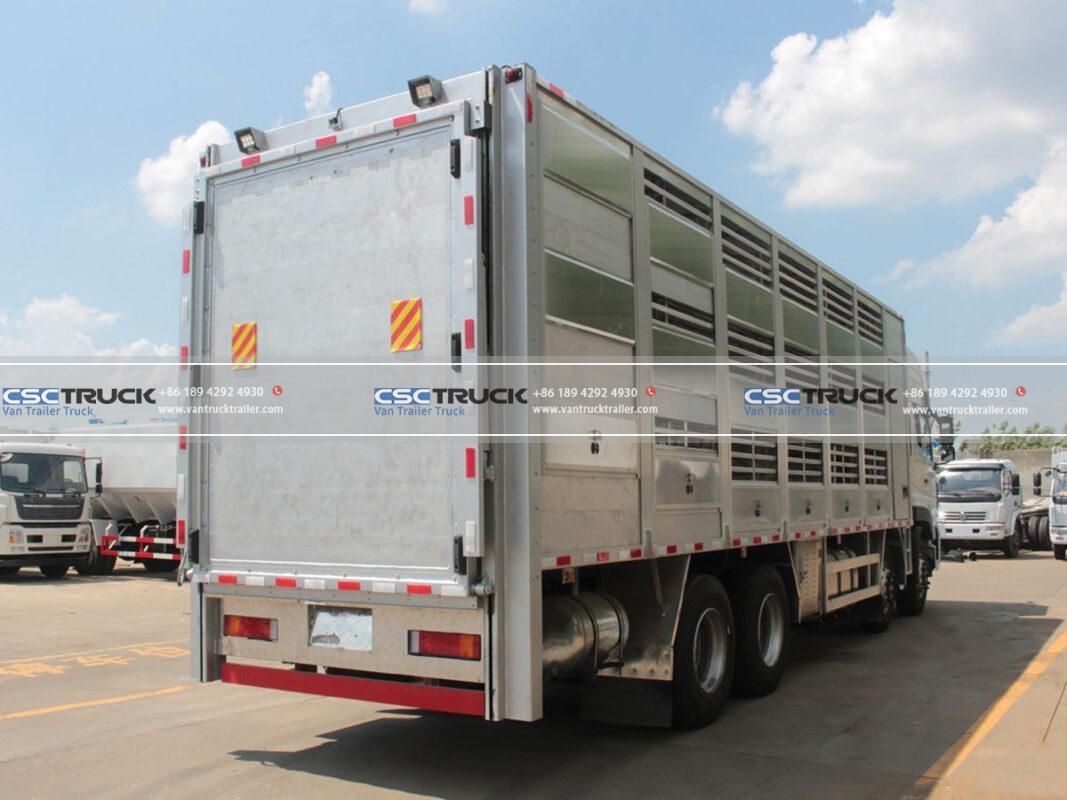
Livestock trucking presents unique challenges that extend far beyond conventional cargo movement, as animals require stable conditions, sufficient airflow, and reduced stress levels throughout the journey. Telematics technology allows operators to monitor interior environments, including temperature and humidity, to ensure that welfare standards are maintained, and in cases where conditions deviate from safe thresholds, alerts can be issued instantly to drivers and fleet managers for corrective action.
This ability to safeguard animal health while in transit translates directly into reduced losses, higher quality upon arrival, and compliance with regional regulations. Moreover, it strengthens the reputation of transport providers who demonstrate a commitment to ethical and efficient practices, which is increasingly important for businesses competing on both service and sustainability.
Refrigerated Truck Operations and the Cold Chain Advantage
The Middle East is a region where the transportation of perishable goods such as pharmaceuticals, fresh produce, and frozen products requires absolute precision, and here, refrigerated truck fleets equipped with telematics have become indispensable in ensuring that cold chain integrity is never compromised. Real-time monitoring of cargo temperature, coupled with automated reporting, allows for continuous verification that goods remain within required conditions throughout long-distance journeys, often across extreme climates.
What sets telematics apart in refrigerated logistics is the ability to detect anomalies before they cause irreversible damage; for instance, a sudden fluctuation in temperature due to equipment failure can trigger an alert that enables drivers or fleet managers to respond immediately, thereby preventing cargo spoilage. This level of assurance is critical not only for operational efficiency but also for maintaining customer trust in industries where a single failed delivery can mean substantial financial loss or reputational damage.
Additionally, regulatory compliance in pharmaceutical and food transport often mandates detailed documentation of conditions during transit, and telematics systems automatically generate this data, streamlining reporting and reducing the administrative burden on operators. By integrating these technologies into refrigerated fleets, businesses establish stronger resilience against risks while positioning themselves as reliable partners in highly regulated sectors.
Economic and Environmental Impact of Telematics Adoption
The implementation of telematics-enabled cargo, livestock, and refrigerated fleets carries significant economic advantages for operators across the Middle East, particularly as fuel costs, labor efficiency, and equipment utilization come under closer scrutiny. Fuel optimization alone represents a major cost-saving opportunity, with systems capable of identifying inefficient driving habits, unnecessary idling, or suboptimal route selection, all of which directly impact the bottom line.
Equally important is the capacity to extend vehicle lifespan through predictive maintenance, since telematics provides detailed diagnostics on engine performance, tire conditions, and component wear, allowing fleet managers to schedule service proactively and reduce the likelihood of unexpected breakdowns on remote desert highways. Lower repair costs, higher uptime, and smoother asset management all contribute to stronger returns on investment.
From an environmental perspective, the reduction of fuel waste and emissions is aligned with regional efforts to enhance sustainability and reduce carbon footprints. Governments and enterprises alike are increasingly aware of the reputational and regulatory benefits of greener logistics operations, and telematics offers a direct pathway to achieving these objectives without sacrificing profitability. As sustainability reporting becomes more prominent, having accurate data on fleet emissions and fuel efficiency also positions operators to meet both current and future compliance standards.
Future Outlook: Building Smarter Fleets in the Middle East
The path forward for Middle Eastern logistics points toward deeper digital integration, where telematics serves as the backbone for smarter, safer, and more efficient fleets. As artificial intelligence and Internet of Things technologies converge with telematics, the next generation of cargo truck, livestock, and refrigerated truck operations will be defined by predictive analytics, automated decision-making, and seamless data sharing across supply chain networks.
Fleet operators who embrace these systems early will gain a distinct advantage in adapting to rising customer expectations, regulatory requirements, and competitive pressures. Whether transporting bulk cargo across vast trade corridors, ensuring animal welfare during livestock shipments, or safeguarding perishable products in refrigerated units, the role of telematics is expanding from optional investment to operational necessity.
For businesses seeking reliable, adaptable, and technologically advanced vehicles that can integrate seamlessly with telematics systems, manufacturers such as CSCTRUCK Vantrucktrailer are increasingly recognized for delivering equipment that meets the rigorous demands of Middle Eastern markets. By pairing robust vehicles with intelligent telematics solutions, fleet managers are better equipped to navigate the challenges of modern logistics while laying the foundation for a future defined by efficiency, transparency, and sustainability.