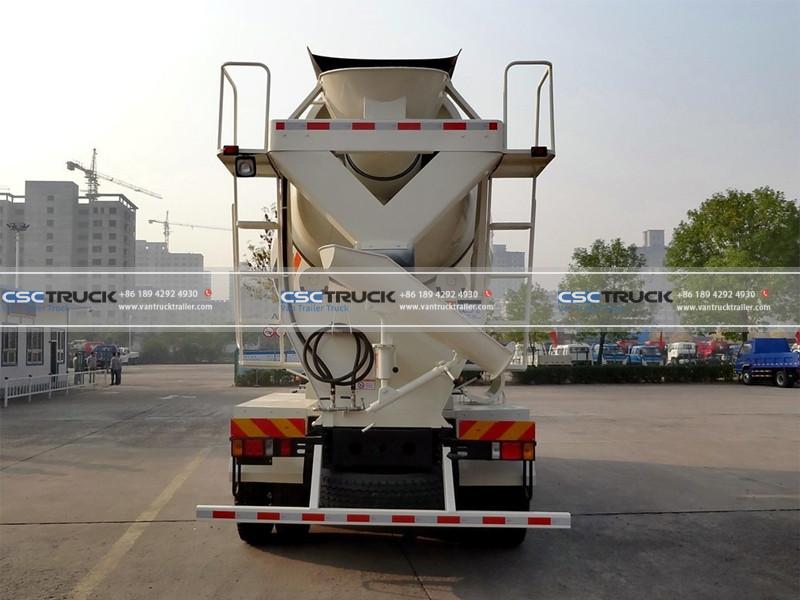
The rhythm of modern construction pulses to the beat of rotating drums. Yet behind this familiar motion lies an accelerating wave of technological transformation reshaping concrete mixer trucks from simple haulers into intelligent, high-efficiency production nodes. As urbanization intensifies and project timelines compress, these innovations bridge the critical gap between batch plant output and jobsite readiness, ensuring the world’s most consumed material after water arrives not just on time, but in optimal condition for placement. The relentless pursuit of measurable productivity gains—reducing cycle times, eliminating waste, enhancing safety, and maximizing uptime—now defines the next generation of mixer truck design and operation.
Drum Design & Mixing Dynamics: Engineering Precision into Every Rotation
The mixer drum is no longer a passive container but a scientifically optimized reaction chamber. Computational Fluid Dynamics (CFD) and advanced material science have revolutionized its function:
- Auger Fin Geometry 4.0: Algorithms now model aggregate flow down to individual particle interactions, generating complex fin contours that minimize shear-induced segregation while accelerating homogenous mixing by 15-20%. Variable-pitch designs adapt mixing intensity automatically based on concrete slump and aggregate size.
- Nanocomposite Liners: Ceramic-infused polymer liners reduce adherence forces by 60% compared to traditional steel, significantly lowering residue buildup. This minimizes water waste during cleaning, preserves mix design integrity, and extends drum lifespan by resisting abrasive wear from high-strength concretes containing granite or basalt aggregates.
- Intelligent Discharge Control: Sensor-guided hydraulic chute actuators precisely direct concrete flow during pouring, eliminating spillage and enabling placement accuracy within 2cm tolerances—crucial for confined urban sites or intricate structural elements like diaphragm walls.
The Telematics Transformation: Data as the Ultimate Productivity Lever
Real-time connectivity has turned mixer trucks into rolling data centers, enabling unprecedented operational visibility:
Predictive Load Optimization
Integrated batch plant interfaces relay exact mix designs and volumes to the truck’s onboard computer before loading. The system calculates optimal drum RPM profiles, transit speeds, and water addition schedules tailored to ambient conditions, ensuring perfect slump retention upon arrival regardless of traffic delays.
Dynamic Route Intelligence
AI-driven GPS navigation synthesizes real-time traffic, bridge weight restrictions, jobsite access constraints, and even weather impacts on concrete curing rates. It dynamically reroutes fleets to minimize transit time while preventing premature setting or slump loss, reducing rejected loads by up to 90%.
Remote Diagnostics & Uptime Assurance
Vibration sensors monitor drum bearings, hydraulic pressure transducers track pump health, and thermal cameras detect electrical anomalies. Predictive maintenance algorithms analyze this data, scheduling component replacements during planned downtime rather than during critical pours, achieving >95% fleet availability rates.
Powertrain Evolution: Electrification & Alternative Fuels
Rising fuel costs and emissions regulations propel radical energy innovations:
- Hybrid Hydraulic Regeneration: Capturing braking energy via hydraulic accumulators provides instant torque for drum rotation or chassis movement, slashing diesel consumption by 25% in stop-start urban duty cycles without compromising mixing power.
- Battery-Electric Mixers (BEMs): Prototypes like the Mercedes-Benz eActros 600 feature 600kWh batteries powering both drivetrain and a 400V electric drum motor. Silent operation enables nighttime deliveries in noise-sensitive zones, while eliminating exhaust emissions at the point of use.
- Hydrogen Fuel Cell Range Extenders: For regional hauls exceeding 300km, compact 120kW fuel cells recharge battery packs en route, maintaining zero-emission operation while overcoming battery weight limitations. Rapid refueling (<12 minutes) matches diesel logistics.
Water Management & Additive Integration Systems
Precision water control is critical for mix integrity and waste reduction:
- Automated Slump Adjustment: Onboard laser slump sensors continuously monitor concrete consistency during transit. Micro-dosing pumps inject precisely calibrated superplasticizer or water increments (as little as 0.5 liters) based on real-time data, maintaining target slump within ±10mm without driver intervention.
- Integrated Admixture Tanks: Multi-compartment tanks store retarders, accelerators, air-entrainers, or pigments. Computer-controlled injection during mixing or discharge enables last-minute adjustments for changing jobsite conditions—like accelerating set time during unexpected rain.
- Closed-Loop Drum Cleaning: High-pressure spray systems recycle washwater through particulate filters and pH balancers, reducing freshwater consumption by 75% and eliminating contaminated runoff at jobsites—a major compliance advancement.
Operator Assist & Safety Integration
Mitigating human error in high-risk environments boosts output and protects personnel:
360° Situational Awareness
Multi-camera systems with AI object detection create real-time bird’s-eye views, identifying workers, obstacles, or overhead hazards during blind-spot maneuvers. Audible alerts and steering interventions prevent collisions during complex backing operations near excavations.
Automated Stability Control
Inclinometers and load sensors continuously calculate the truck’s center of gravity. If drum rotation or uneven terrain risks tipping, the system automatically reduces drum speed or applies outrigger-like stabilizing pressure through the rear air suspension, preventing rollovers.
Fatigue & Distraction Monitoring
Infrared cameras track driver eye movement and steering inputs. AI identifies micro-sleep episodes or phone distraction, triggering seat vibrations and dashboard alerts while notifying fleet managers to intervene before incidents occur.
Fleet Synergy & Logistics Integration
Mixer trucks now operate as coordinated systems, not isolated units:
- Cloud-Based Dispatch AI: Algorithms analyze dozens of variables—plant batch schedules, jobsite readiness (verified via site cameras), mixer locations, traffic patterns, and driver hours—to assign trucks in real-time, minimizing wait times at plants and sites while balancing fleet utilization.
- Interoperable Telematics: Standardized data protocols (like API links to FARO site scanners) allow mixers to receive digital twins of pour locations. Trucks auto-synchronize arrival times with pump crews, eliminating costly standby periods exceeding $200/hour.
- Material Tracking Blockchain: Immutable ledgers record batch ingredients, mixer transit conditions, water/additive injections, and pour timestamps. This provides contractors with certified quality data for compliance reporting and reduces dispute resolution time by 80%.
Much like the rugged dependability of a dump truck hauling aggregate or the precision of a mixer truck maintaining mix integrity, these innovations converge to transform volumetric efficiency into tangible competitive advantage. The relentless optimization of every process—from silica fume dispersion in the drum to predictive brake pad replacements—propels an industry historically defined by brute force into an era of data-driven elegance. Productivity now resides not just in horsepower or cubic yards, but in the seamless orchestration of bytes, algorithms, and electrons ensuring the right concrete arrives precisely when and where it’s needed, in perfect condition, every single time.