Safeguarding Perishable Goods in Modern Logistics
Transporting perishable goods has always been one of the most challenging aspects of logistics, since products such as dairy, pharmaceuticals, fresh produce, seafood, and frozen items are not only time-sensitive but also highly vulnerable to changes in temperature, humidity, and handling conditions. In today’s fast-paced supply chains where customers expect quality upon delivery, operators managing perishable cargo trucks must do more than simply drive from point A to point B; they must integrate advanced technologies that ensure constant monitoring, reliable preservation, and timely responses to any risk that might compromise safety and quality.
The Middle East, Asia, and global markets all share similar pressures in this regard, where climatic extremes, long distances, and stringent compliance requirements demand a sophisticated approach. As expectations around traceability and sustainability increase, fleet operators who deploy the latest monitoring, control, and data-driven systems are not only protecting cargo but also securing their reputation and building trust with clients who cannot afford failure in cold chain logistics.
Core Technologies Behind Perishable Cargo Safety
Telematics and Real-Time Monitoring
At the heart of modern perishable cargo safety lies telematics, which transforms traditional trucks into connected assets capable of transmitting live data about location, vehicle performance, and cargo conditions. This technology enables fleet managers to monitor the exact temperature inside trailers, track humidity levels, and detect any fluctuations that may threaten product integrity. With instant alerts, operators can intervene quickly, rerouting vehicles, adjusting refrigeration systems, or contacting drivers before damage occurs.
Real-time monitoring does more than safeguard goods; it also enhances accountability, as automated reporting generates a transparent digital trail of conditions throughout transit. This is invaluable for compliance with food safety and pharmaceutical regulations, where verifiable documentation is often mandatory, and for customer relations, since clients can be reassured that their products were maintained in the correct conditions from origin to destination.
Refrigerated Truck Innovations
The refrigerated truck has become a highly specialized platform equipped with advanced cooling units, insulated trailers, and digital controllers that work in harmony with telematics systems. Innovations now include multi-temperature zones within the same trailer, which allows operators to carry different products simultaneously, each with unique cooling requirements. These capabilities ensure that frozen seafood, fresh produce, and pharmaceuticals can coexist safely in one trip without compromise, thereby improving efficiency and reducing wasted capacity.
The Role of Smart Sensors and Automation
Sensors play an indispensable role in ensuring perishable cargo safety, as they continuously collect data on critical factors such as temperature, humidity, door openings, air circulation, and vibration levels. When integrated with automated systems, these sensors create a responsive environment where conditions are adjusted instantly in response to deviations. For example, if a cooling unit begins to underperform, the system can activate a backup mode, alert maintenance teams, or recommend rerouting the cargo to the nearest service point.
Automation also extends to cargo handling, where intelligent locking systems and electronic seals protect goods from unauthorized access. This is particularly relevant in high-risk areas or during long-haul journeys, where tampering or theft could not only cause product loss but also jeopardize food safety. With smart sensors feeding accurate data into cloud platforms, operators gain visibility into every second of the journey, making it possible to proactively prevent spoilage and ensure that products arrive in market-ready condition.
Integrating Van Truck and Cold Chain Fleets
Van Truck Flexibility for Urban Deliveries
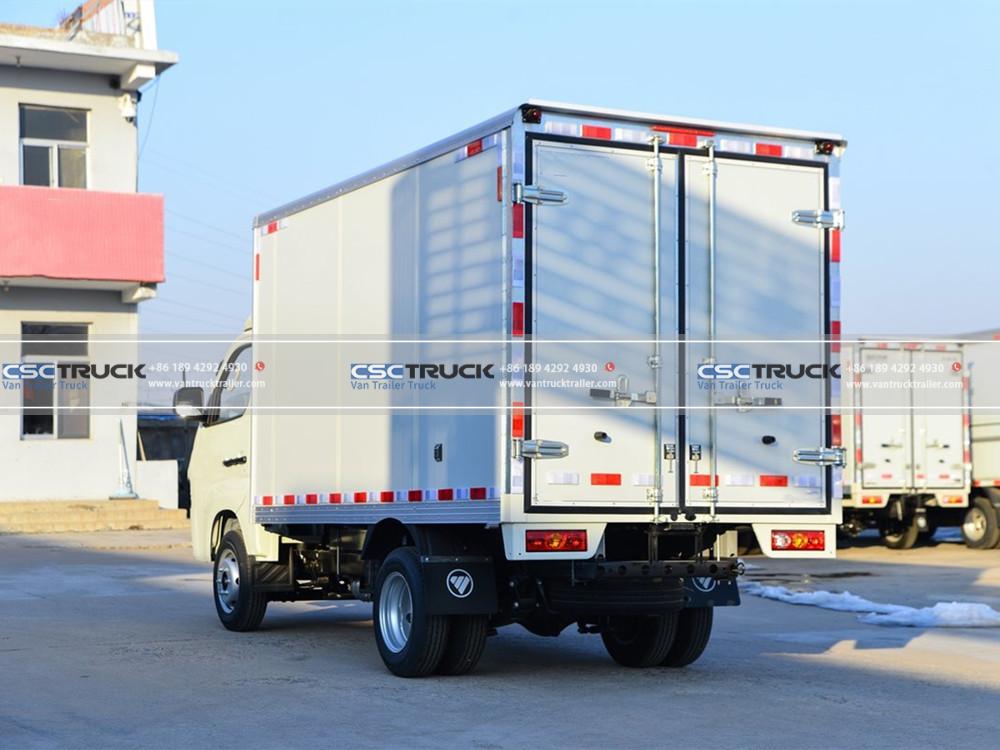
While refrigerated trailers dominate long-haul logistics, the van truck remains essential for urban distribution of perishable goods, especially in dense cities where smaller vehicles provide flexibility and access to locations larger trucks cannot easily reach. Equipped with the same smart technologies found in larger refrigerated fleets, modern van trucks can maintain strict cold chain integrity over shorter distances, ensuring that the last mile of delivery is as reliable as the long-haul journey.
By equipping van trucks with telematics and temperature-monitoring tools, fleet managers gain continuity of data across the supply chain, preventing gaps in reporting and ensuring that perishable items remain protected from warehouse to retail shelf. This integration of urban and long-haul cold chain operations creates a seamless system where technology bridges every link.
Cargo Truck Synergy in Mixed Fleets
Operators who run mixed fleets of cargo trucks and refrigerated vehicles often face challenges in balancing efficiency with regulatory compliance. Smart fleet platforms that integrate both types of vehicles enable managers to optimize routes, allocate the right truck to each job, and track performance across all assets in real time. This synergy ensures that perishable and non-perishable goods can be managed holistically without sacrificing visibility or efficiency.
Economic and Compliance Benefits of Technology Adoption
The adoption of advanced technologies in perishable cargo transport is not just about avoiding losses; it also delivers measurable financial and regulatory benefits. Predictive maintenance tools, for example, extend vehicle and refrigeration unit lifespan by identifying wear-and-tear before it leads to breakdowns, thereby reducing downtime and repair costs. Fuel optimization technologies improve energy efficiency, which is especially important in refrigerated trucks that consume more fuel due to continuous cooling requirements.
From a compliance standpoint, automated data logging systems simplify the task of meeting regulatory obligations for food and pharmaceutical transport. Instead of relying on manual records, operators can present detailed electronic reports showing temperature ranges, route history, and cargo-handling events, which eliminates disputes and strengthens credibility with both regulators and customers. By reducing risk, improving efficiency, and ensuring compliance, smart technologies ultimately contribute to stronger profitability in industries where margins are often thin.
Looking Ahead: The Future of Perishable Cargo Transport
The next wave of innovation in perishable cargo safety will likely focus on deeper integration of artificial intelligence, blockchain traceability, and IoT-based predictive analytics, all of which will enable fleets to anticipate disruptions before they happen, enhance trust through tamper-proof data, and provide even more granular visibility into the conditions of every shipment. Fleet managers who adopt these technologies early will enjoy a competitive edge, as clients increasingly demand transparency, sustainability, and reliability as core elements of service.
Whether the vehicle is a long-haul refrigerated truck, a short-haul van truck serving dense urban centers, or a cargo truck operating in a mixed fleet, the expectation is clear: every link of the supply chain must be intelligent, connected, and responsive. Manufacturers such as CSCTRUCK Vantrucktrailer are already responding to this demand by producing equipment that is durable, adaptable, and fully compatible with modern telematics systems, ensuring that operators are not only meeting today’s safety requirements but also preparing for tomorrow’s digitally integrated logistics environment. By pairing advanced vehicles with cutting-edge technologies, logistics providers can secure perishable cargo, safeguard customer trust, and build future-ready fleets that thrive in increasingly competitive global markets.