The Evolution of Mobile Advertising and Event Engagement
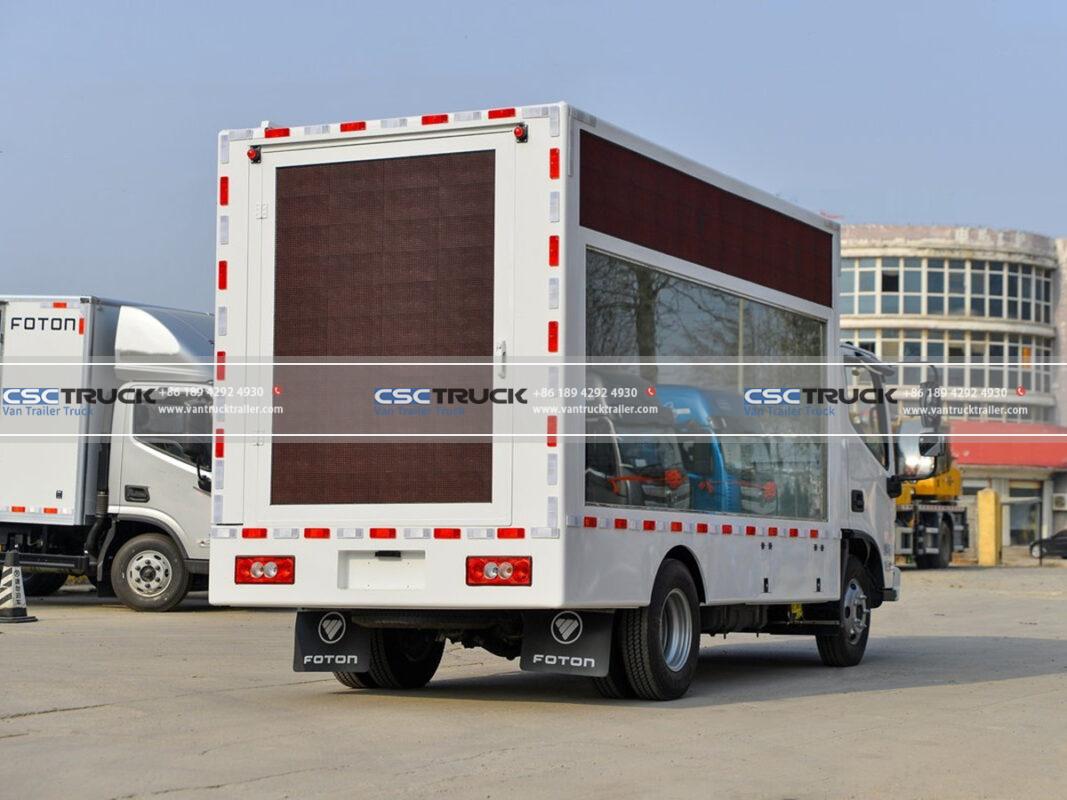
In an age where audiences are bombarded with digital content from every angle, brands, organizations, and event organizers are constantly seeking innovative ways to capture attention, deliver immersive messages, and build real-time engagement, and one of the most impactful solutions to emerge in recent years is the LED display truck, a versatile mobile platform equipped with high-definition digital screens capable of transforming traditional outdoor spaces into dynamic, interactive environments. Unlike static billboards or stationary signage, LED display trucks combine mobility, technology, and visual impact, enabling businesses to deliver campaigns directly to targeted locations, whether in bustling city centers, sports events, music festivals, trade shows, or political rallies.
The technology behind these vehicles has advanced far beyond basic mounted screens, as today’s units integrate high-resolution LED panels, powerful onboard control systems, advanced audio setups, and reliable power generation to ensure consistent performance in any environment. This seamless integration of multiple technologies has positioned LED display trucks as indispensable tools not only for advertising but also for entertainment, community outreach, and emergency communication.
LED Display Technology: The Core of Visual Impact
High-Resolution Panels and Brightness Control
At the heart of every LED display truck lies its screen technology, which has progressed rapidly in recent years, offering sharper resolution, higher brightness levels, and enhanced durability. Modern LED panels are designed to deliver crystal-clear visuals even under direct sunlight, making them suitable for outdoor campaigns where clarity and color accuracy are critical. The use of pixel pitch optimization allows operators to select panels that balance close-up viewing experiences with long-distance visibility, ensuring that audiences receive equally powerful impressions whether standing a few meters away or across a stadium.
Brightness control technologies also enable screens to adjust automatically to ambient light conditions, conserving energy while maintaining optimal visibility. This adaptability is essential for campaigns running through varied conditions, from daytime exhibitions to evening concerts, where screen intensity needs to shift smoothly without sacrificing image quality.
Content Management and Real-Time Updates
Beyond hardware, the success of LED trucks depends on their ability to manage content dynamically. Integrated media servers and wireless connectivity allow operators to upload, schedule, and modify content instantly, making it possible to tailor messages for different audiences throughout the day. Whether broadcasting live sports scores, streaming interactive polls, or running synchronized multimedia campaigns, these control systems ensure maximum flexibility and responsiveness, a feature that static signage can never match.
Power Systems That Keep the Show Running
Reliable Generators and Energy Efficiency
One of the biggest technical challenges in operating LED display trucks is powering large, high-brightness screens along with associated audio-visual equipment. To meet this demand, vehicles are typically equipped with dedicated diesel or hybrid generators capable of delivering consistent energy output for extended hours. Recent innovations have also focused on reducing fuel consumption and emissions, integrating energy-efficient LED technology with smart power management systems to lower the environmental impact of operations without compromising performance.
For operators running multiple events across long schedules, the ability to rely on stable, efficient power systems not only ensures uninterrupted displays but also reduces operational costs significantly.
Battery Storage and Renewable Integration
Advancements in battery storage are also beginning to influence the sector, as some LED display trucks incorporate lithium-ion battery packs or hybrid energy systems that store excess power for later use. In addition, integration with renewable energy sources, such as solar panels mounted on the vehicle or connected to external charging units, adds another layer of sustainability and resilience. These innovations are particularly valuable in environments where noise restrictions or emission regulations are strict, allowing trucks to operate quietly and cleanly while still delivering high-impact visual experiences.
Enhancing Audience Engagement Through Multi-Functional Design
Mobile Stage Truck Capabilities
The versatility of LED display trucks extends well beyond visual advertising, as many models incorporate features that transform them into fully functional mobile stage truck platforms. By combining extendable stage surfaces, integrated sound systems, and lighting rigs with high-definition screens, these vehicles become self-contained event units capable of hosting live performances, product launches, or community gatherings. This multi-functional design significantly reduces setup time and logistical complexity, making it easier for event organizers to deploy impactful experiences in almost any location.
The ability to merge stage functions with LED displays enhances audience engagement by combining live interaction with digital storytelling, creating a seamless fusion of physical presence and virtual content that captures attention in ways traditional setups cannot replicate.
Mobile Workshop Integration
In certain sectors, LED display trucks are also being adapted into mobile workshop units, where visual content is paired with hands-on demonstrations or educational programs. For example, automotive brands use these vehicles to showcase technical features on screens while simultaneously providing live demonstrations on-site. Similarly, training programs for healthcare, construction, or technical fields can leverage mobile LED platforms to combine classroom-style visual instruction with practical field-based activities. This hybrid capability underscores the adaptability of LED display trucks, demonstrating how technology can be harnessed not only for entertainment and advertising but also for learning and community development.
Connectivity and Smart Control Systems
Modern LED display trucks thrive on seamless connectivity, as Wi-Fi, 4G, and increasingly 5G integration allow real-time interaction with audiences and remote control of content. This level of connectivity supports features such as live streaming, two-way interaction, and even augmented reality overlays that transform passive viewers into active participants. Operators can gather audience feedback, run interactive games, or synchronize displays across multiple trucks to create large-scale, coordinated campaigns.
Smart control systems also allow for centralized fleet management, where multiple LED display trucks can be monitored and controlled from a single hub, making it possible for national campaigns to maintain consistency while still adapting content to local audiences. As the Internet of Things (IoT) ecosystem matures, these trucks are expected to integrate even deeper with data analytics platforms, providing valuable insights into audience engagement metrics that can shape future campaigns.
The Road Ahead: LED Display Trucks as Transformative Platforms
The continued dominance of LED display trucks is fueled not only by their visual impact but also by their adaptability to multiple industries and contexts, from advertising and entertainment to education and emergency services. As technology advances further, with ultra-high-definition panels, AI-driven content optimization, and renewable energy integration becoming standard, these vehicles will only increase in relevance and effectiveness.
What is evident is that LED display trucks are no longer just tools for showcasing ads but dynamic mobile platforms capable of merging physical experiences with digital content, thereby reshaping how brands, governments, and organizations communicate with audiences. Whether deployed as a mobile stage truck for high-energy performances, a mobile workshop for practical demonstrations, or a roaming billboard for national campaigns, their role in shaping modern engagement strategies is undeniable. Manufacturers such as CSCTRUCK Vantrucktrailer are already leading the charge by producing vehicles that combine durability, innovative design, and advanced technological compatibility, ensuring that fleet operators can deliver impactful experiences wherever they go. For businesses and organizations determined to stand out in a crowded digital world, investing in high-tech LED display trucks is more than a marketing decision—it is a strategic commitment to innovation, visibility, and long-term audience connection.