The Growing Role of Mobile Truck Workshops in Modern Industries
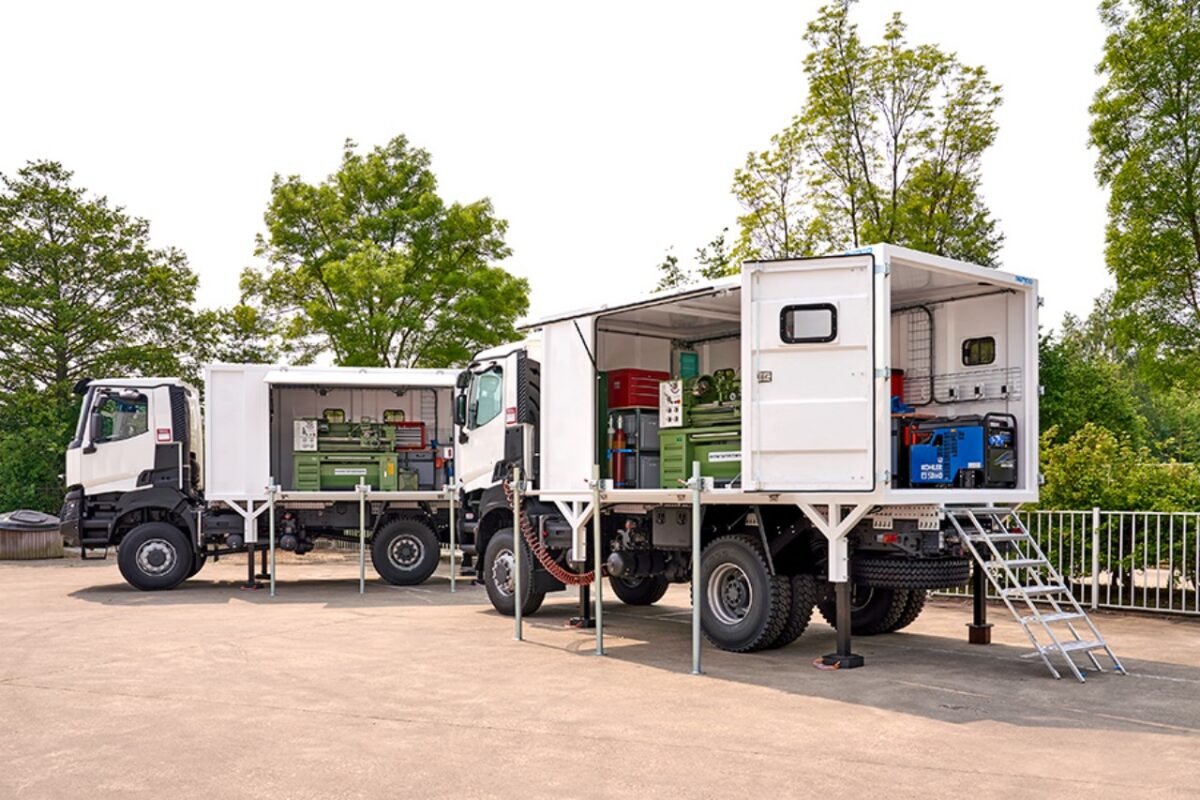
In today’s fast-paced, efficiency-driven world where downtime directly translates into lost productivity and revenue, the ability to bring services directly to the point of need has become a defining advantage, and it is within this environment that mobile truck workshops have established themselves as an essential component of modern infrastructure and service delivery. Unlike traditional workshops that require clients to bring equipment or vehicles to a centralized location, these purpose-built mobile units carry tools, spare parts, diagnostic systems, and specialized technicians directly to worksites, factories, construction zones, and remote areas, thereby eliminating delays and ensuring critical operations continue with minimal disruption.
Industries as diverse as construction, energy, logistics, and even healthcare have come to rely on mobile workshop trucks not only for their convenience but also for their ability to provide specialized support in environments where stationary facilities are either unavailable, impractical, or prohibitively costly to maintain. From urban centers experiencing traffic bottlenecks to rural locations where infrastructure remains limited, these vehicles serve as agile, adaptable, and highly cost-effective solutions to urgent repair, training, and service needs.
Construction and Infrastructure Development Sites
Supporting Equipment Maintenance in Harsh Environments
Construction sites represent one of the most vital contexts where mobile workshops prove their worth, as machinery such as excavators, cranes, loaders, and drilling rigs often experience wear, tear, and unexpected breakdowns under demanding conditions. Moving these heavy machines to a distant workshop is often impractical, both in terms of time and cost, so the arrival of a mobile truck workshop equipped with welding tools, hydraulic repair kits, air compressors, and diagnostic software provides a lifeline that minimizes delays and keeps projects on schedule.
The construction industry is characterized by tight timelines and heavy penalties for delays, meaning that even minor mechanical issues can escalate into significant financial setbacks if not resolved swiftly. By deploying mobile workshops, operators ensure that downtime is reduced to a minimum and that their teams can focus on meeting critical project milestones.
Urban Infrastructure Projects
In urban areas where space is constrained and the logistics of moving equipment are even more complex, mobile workshops provide the additional advantage of flexibility, setting up quickly near worksites and offering maintenance and repair support without requiring dedicated facility space. This is particularly valuable for municipal projects such as road resurfacing, bridge repairs, or utility installations, where on-site responsiveness determines efficiency.
Mining and Energy Sectors
Mining operations and energy production facilities, whether oil, gas, or renewable, often take place in remote and harsh environments where access to permanent service infrastructure is severely limited. For mining fleets operating deep in rugged terrains or drilling equipment functioning in isolated desert regions, mobile truck workshops serve as indispensable service hubs capable of addressing equipment failures directly on-site.
These workshops are designed to handle heavy-duty maintenance, including welding, engine diagnostics, tire repairs, and hydraulic adjustments, which are critical to industries where uninterrupted operations are vital for profitability. In the energy sector, mobile workshops also support preventive maintenance for turbines, generators, and field machinery, ensuring uninterrupted production even in the most challenging conditions. By bringing skilled technicians and specialized equipment into these environments, operators reduce the costly logistics of transporting assets long distances while simultaneously safeguarding uptime and worker safety.
Logistics, Transportation, and Emergency Services
Fleet Support for Cargo and Passenger Transport
For the logistics sector, which relies heavily on the efficiency and reliability of fleets, mobile workshops provide the ability to maintain cargo trucks and trailers directly on the road network or at distribution hubs, significantly reducing delays associated with breakdowns or routine servicing. Whether addressing tire changes, brake adjustments, or engine diagnostics, these mobile units act as rapid-response teams that ensure vehicles return to service quickly, protecting delivery schedules and minimizing client dissatisfaction.
In passenger transport networks such as buses and coaches, the value of mobile workshops is even more evident, since public safety and service reliability depend on immediate intervention when vehicles experience problems. Instead of towing buses to centralized garages, operators can deploy mobile workshops to restore functionality on-site, maintaining passenger trust and keeping services running smoothly.
Emergency Service Applications
Emergency services, including disaster response and humanitarian aid, also depend heavily on mobile workshops to maintain the operability of vehicles, generators, and field equipment. When natural disasters disrupt infrastructure or during large-scale events where equipment must be kept in top condition, mobile workshops deliver much-needed resilience. Their ability to function as self-contained units equipped with power supplies and diagnostic systems makes them essential assets in crisis response planning.
Education, Training, and Outreach Programs
Mobile workshops are not limited to mechanical or industrial functions, as they are increasingly being adapted into platforms for education, training, and community outreach. Governments, NGOs, and private organizations utilize these units to bring vocational training directly into underserved communities, equipping local populations with practical skills in mechanics, electronics, healthcare, or construction. By combining the mobility of trucks with classroom-like setups and practical training tools, these mobile units democratize access to education and provide opportunities where traditional institutions may not exist.
In some cases, these training-oriented mobile workshops are paired with mobile LED truck units, using large screens to display instructional content or host interactive sessions, creating a hybrid model that merges theory with practice. Similarly, event-focused mobile stage truck designs integrate live demonstrations, performances, or community engagement activities with the technical capacity of a workshop, showing how versatile and multi-functional these vehicles can become when designed for outreach.
Agriculture and Rural Development
Agriculture is another sector where mobile truck workshops demonstrate exceptional value, especially in rural regions where infrastructure gaps limit access to repair and servicing facilities. Farmers operating tractors, harvesters, irrigation systems, and transport vehicles often face long downtimes when forced to haul equipment to distant towns for repair, and mobile workshops eliminate this challenge by bringing service expertise directly to the field.
Additionally, as agricultural machinery becomes increasingly digital with GPS guidance, IoT-based monitoring, and automated harvesting systems, mobile workshops are equipped with diagnostic technologies that address not only mechanical but also electronic and software issues. This ensures that farmers can continue operating at full capacity, reducing waste and improving productivity in an industry where timing is critical.
Looking Ahead: The Strategic Value of Mobile Workshops
The continued expansion of industries into remote regions, combined with the growing emphasis on efficiency, sustainability, and rapid response, underscores why mobile truck workshops are more vital today than ever before. They embody the principle of flexibility by adapting to environments ranging from dense urban centers to rural agricultural zones, from high-stakes construction sites to remote mining fields, and even in community outreach campaigns that combine technical education with real-time demonstrations.
As technology continues to evolve, mobile workshops will integrate even more advanced diagnostic tools, renewable power systems, and digital connectivity, enhancing their role as indispensable service and support platforms. Whether configured as mechanical service hubs, training units, or outreach platforms that merge with mobile LED truck campaigns or mobile stage truck activations, their versatility ensures they will remain essential across industries. Manufacturers like CSCTRUCK Vantrucktrailer are at the forefront of designing robust, customizable, and technologically advanced workshop trucks that meet these diverse demands. For operators seeking to minimize downtime, expand service reach, and maximize efficiency in competitive environments, mobile truck workshops are no longer optional investments—they are strategic necessities that will continue to shape the future of field-based service delivery.