The relentless pressure to decarbonize logistics collides daily with the non-negotiable demand for precise temperature control. For fleet managers, food distributors, and pharmaceutical carriers, the quest isn’t just for any reefer truck; it’s for energy-efficient refrigerated trucks that slash fuel consumption, reduce emissions, and deliver tangible Total Cost of Ownership (TCO) savings without compromising cargo integrity. In an era of volatile energy prices and tightening environmental regulations, identifying the right sources for these technologically advanced assets is paramount. This guide navigates the evolving landscape, pinpointing where to find the cutting-edge solutions powering the sustainable cold chain.
The Imperative for Efficiency: Beyond Rising Fuel Costs
The traditional diesel-powered transport refrigeration unit (TRU) is a notorious energy hog, often consuming up to 20% of a truck’s total fuel. Beyond the direct financial burden, this inefficiency translates into significant greenhouse gas emissions and noise pollution, attracting regulatory scrutiny and undermining corporate sustainability goals. Modern energy-efficient refrigerated trucks tackle this challenge head-on through integrated design philosophies: advanced insulation minimizing thermal load, intelligent refrigeration systems optimizing energy use, and alternative power sources decoupling cooling from the main engine. The drivers are multifaceted: stringent Euro VII/EPA 2027 emissions standards targeting auxiliary systems, corporate net-zero commitments, ESG investor pressure, and the sheer operational logic of reducing a major variable cost. Investing in efficiency is no longer optional; it’s strategic survival.
OEMs – The Integrated Efficiency Advantage
Leading Original Equipment Manufacturers (OEMs) are embedding efficiency into the DNA of new refrigerated vehicles. Sourcing directly from manufacturers offers the benefit of holistic engineering, where the chassis, body, insulation, and refrigeration unit are designed as a synergistic system.
- Key Players & Technologies: Major truck manufacturers (Daimler Truck, Volvo Trucks, Traton Group brands – Scania, MAN) and specialized body builders (Lamberet, Schmitz Cargobull, Chereau, Wabash) now offer factory-integrated eco-reefer options. Look for models featuring:
- Aerodynamic Cab-Over Designs: Reducing drag significantly impacts fuel consumption at highway speeds.
- Lightweight Composite Bodies: High-strength, low-weight materials like GRP sandwich panels decrease tare weight, improving payload and reducing energy needed for acceleration.
- Advanced Insulation Systems: Vacuum Insulation Panels (VIPs) or enhanced polyurethane foams achieving drastically lower K-values (e.g., ≤ 0.23 W/m²K) minimize heat ingress, the primary driver of refrigeration load.
- Factory-Fitted Electric & Hybrid TRUs: Systems like Carrier Vector eCool, Thermo King eVolution, or Schmitz Cargobull’s eCool series utilize electric standby, battery hybrid, or even full-electric drive (powered by the chassis PTO or separate battery packs), enabling zero-emission, near-silent operation during loading/unloading and overnight stands. Integration with the truck’s telematics allows for sophisticated energy management.
- Where to Find Them: Engage with authorized dealers for major OEMs or specialized commercial vehicle distributors. Attend flagship industry events like IAA Transportation (Hanover) or the American Trucking Associations’ Management Conference & Exhibition (MCE). Explore online configurators on OEM websites to specify efficiency features upfront.
Specialized Refrigeration Upfitters & Modifiers
Not every fleet operates brand-new vehicles. For retrofitting existing cargo trucks or professional dry van trucks, or for highly specialized requirements, the expertise of refrigeration upfitters is invaluable. These partners transform standard platforms into efficient cold chain assets.
- The Value Proposition: Upfitters possess deep expertise in selecting and integrating the optimal refrigeration unit and body insulation package for a specific base chassis and operational duty cycle. They can implement cutting-edge efficiency upgrades that might not be standard OEM options.
- Efficiency Focus Areas: Reputable upfitters offer:
- High-Efficiency TRU Retrofits: Replacing older, inefficient units with modern electric standby or battery hybrid systems (e.g., Carrier E-Drive, Thermo King APU/Battery Hybrid).
- Advanced Insulation Upgrades: Applying spray-on nano-aerogel coatings internally, retrofitting VIP panels in doors and critical areas, or replacing worn door seals to dramatically improve thermal performance.
- Auxiliary Power Optimization: Installing large-capacity lithium-ion battery systems to power TRUs without idling, integrated with solar charging panels on the roof for supplemental energy.
- Telematics Integration: Adding sensors and gateways to monitor real-time refrigeration performance, door openings, temperature stability, and energy consumption for data-driven efficiency improvements.
- Finding Reputable Partners: Search for SNAP (Superior Natural and Alternative Power) certified installers (North America), members of the Cold Chain Federation (UK), or partners certified by major TRU manufacturers (Carrier, Thermo King). Industry-specific forums and peer recommendations are crucial.
Technology-Leading Refrigeration Unit Manufacturers
Sometimes, the core efficiency leap comes from the refrigeration unit itself. Partnering directly with innovative TRU manufacturers provides access to the latest energy-saving technologies, which can be specified on new builds or retrofitted.
- Pioneering Solutions: Leading manufacturers are driving the shift towards electrification and intelligence:
- Full-Electric TRUs (eTRUs): Units like the Carrier Vector 1950 or Thermo King SR-5 operate solely on grid power (while parked) or via large onboard vehicle batteries/Diesel APU charging systems. Zero emissions at point of use.
- Hybrid Electric TRUs: Combining a smaller diesel engine with a large battery bank (e.g., Thermo King V-400 with Evolt™ Electric Power). The diesel engine charges the batteries, which then power the electric refrigeration compressor silently and efficiently, minimizing runtime and fuel burn.
- Advanced Control Systems: AI-driven systems continuously optimize compressor speed, fan operation, and defrost cycles based on real-time load calculations and ambient conditions, avoiding energy waste.
- Natural Refrigerants: Units utilizing CO2 (R744) or propane (R290), which have lower Global Warming Potential (GWP) than traditional HFCs and can offer efficiency advantages, especially in certain temperature ranges.
- Procurement Channels: Work with OEMs or upfitters who source these units. Alternatively, engage TRU manufacturer sales teams directly to understand compatibility with your fleet and their authorized installation networks.
Emerging Channels: Leasing & The Secondary Market (with Caution)
Acquiring energy-efficient refrigerated trucks doesn’t always require massive upfront capital expenditure. Alternative sourcing models are gaining traction, though due diligence is paramount.
- Full-Service Leasing & Rental: Major leasing companies (Penske, Ryder, LeasePlan) and specialized cold chain rental providers are rapidly expanding their fleets of modern, efficient reefers. Benefits include:
- Access to Latest Tech: Leasing provides a pathway to utilize cutting-edge eTRUs and hybrid systems without bearing the full purchase cost or technology obsolescence risk.
- Predictable Costs: Bundled maintenance and potential fuel savings (often shared in the agreement) simplify budgeting.
- Flexibility: Scale fleet size up or down based on seasonal demands. Ideal for trialing new efficiency technologies before large-scale adoption.
- The Secondary Market (Certified Pre-Owned): Finding genuinely efficient used reefers requires vigilance. Focus on:
- OEM Certified Programs: Some manufacturers/dealers offer certified pre-owned reefer trucks and trailers with refurbished components, warranty, and verified efficiency specs (e.g., documented low-K-value insulation, recent TRU model).
- Specialized Auction Platforms: Platforms like TruckPaper or Commercial Truck Trader often list used reefers; filter aggressively for newer models (<5 years) with specific high-efficiency TRUs (e.g., Carrier Vector 8500+, Thermo King V-Series with Evolt) and request detailed maintenance/performance records. Critical: Factor in the cost and feasibility of potential TRU upgrades or battery replacements when evaluating older units marketed as “efficient.”
Critical Technical Considerations When Evaluating Efficiency
Beyond the source, understanding the key technological levers is essential for informed sourcing:
- Thermal Integrity is Foundational: The highest efficiency TRU is wasted on a poorly insulated box. Prioritize ultra-low K-values (≤ 0.23 W/m²K) achieved through advanced foams, fiberglass reinforcements, or VIPs. Inspect door seals, hinge mechanisms, and body integrity meticulously.
- Refrigeration System Architecture: Understand the options:
- Diesel-Electric: Traditional but evolving; modern units are far more efficient than predecessors.
- Electric Standby (E-Stern): Essential for zero-emission stationary operation; requires grid access.
- Battery Hybrid: Offers significant fuel savings and noise reduction; ideal for multi-stop deliveries.
- Fully Electric (eTRU): Zero tailpipe emissions; requires sufficient battery capacity and charging infrastructure.
- Auxiliary Power & Energy Management: The efficiency of the power source for the TRU is critical. Lithium-ion battery capacity, charging speed (via shore power, regenerative braking, solar), and intelligent management systems that prioritize battery use are key differentiators.
- Connectivity & Data: Telematics providing real-time insights into energy consumption per kWh/ton of cooling, temperature deviations, door events, and TRU performance are indispensable for verifying efficiency claims and identifying further optimization opportunities. Look for integration with fleet management platforms.
- Payload & Aerodynamics: Efficiency isn’t just about the refrigeration. A lightweight body preserves payload capacity. Aerodynamic features (boat tails, side skirts, roof fairings matched to cab height) reduce the main engine’s fuel burden, indirectly boosting overall efficiency.
The Future is Modular & Integrated: Platforms like CSCTRUCK Vantrucktrailer
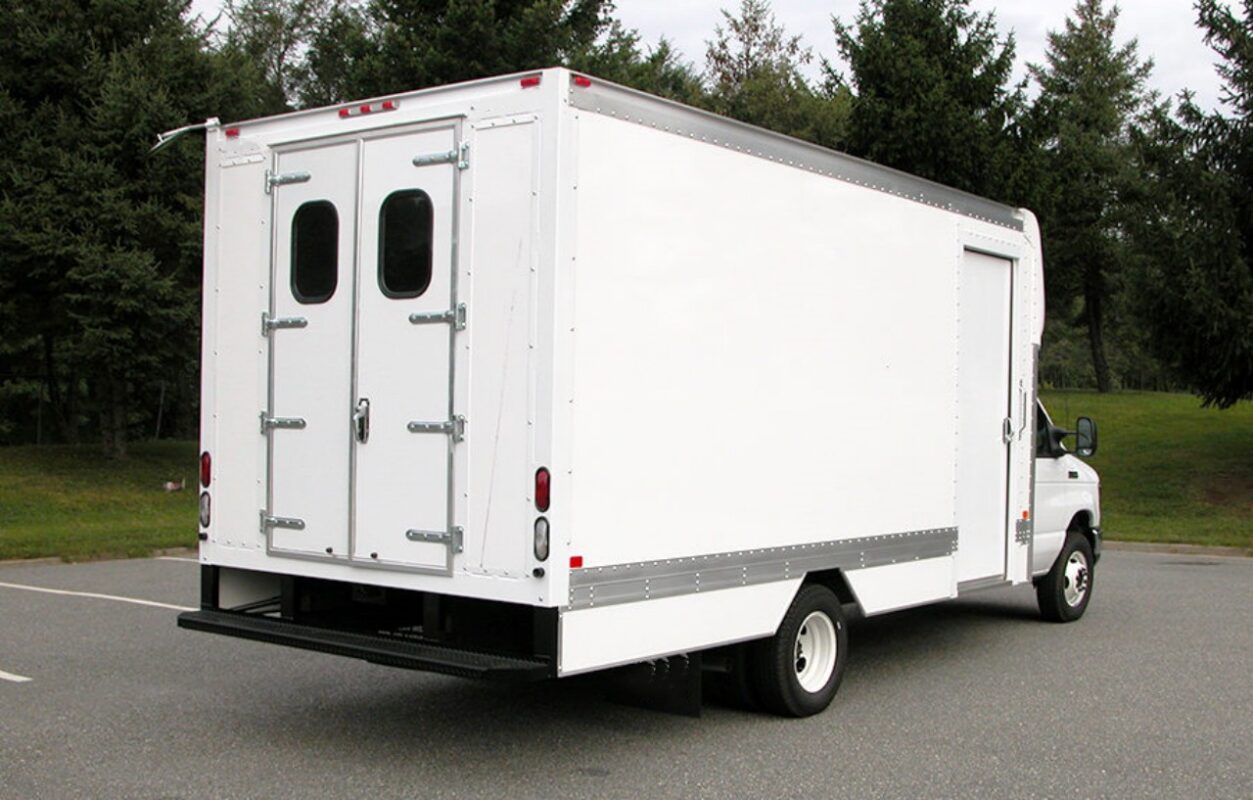
As the demand for specialized, efficient cold chain solutions grows, adaptable platforms are emerging as a powerful answer. The CSCTRUCK Vantrucktrailer exemplifies this trend. Its core strength lies in modularity and purpose-built engineering. The robust chassis and intelligent design can seamlessly accommodate highly efficient, lightweight refrigerated bodies utilizing VIP insulation. Crucially, its integrated power management architecture is pre-configured to support the substantial energy demands of modern electric standby or battery hybrid refrigeration units, including options for large onboard lithium packs and solar integration. This means a professional dry van truck platform today can be efficiently transformed into a temperature-controlled pharmaceutical transporter or a multi-temperature cargo truck tomorrow, without compromising the thermal efficiency or energy optimization designed into the base vehicle.
The Vantrucktrailer’s design prioritizes weight savings and structural integrity, ensuring that the addition of advanced refrigeration doesn’t unduly penalize payload – a critical factor in true operational efficiency. For fleets seeking a future-proof foundation that readily embraces the latest energy-saving refrigeration technologies within a flexible operational framework, such integrated platforms represent a compelling strategic investment in the sustainable cold chain. The journey towards a greener, more cost-effective refrigerated transport sector is accelerating, powered by innovation and accessible to those who know where to look.