The arrival of WHO-certified medical waste trucks in Ghana marks a transformative milestone in the nation’s battle against infectious disease outbreaks, specifically enhancing its preparedness for pandemic response. These state-of-the-art vehicles, designed to meet rigorous international standards, signify a leap forward in sustainable healthcare infrastructure, ensuring the safe and efficient disposal of hazardous materials such as used syringes, contaminated personal protective equipment, and biological waste. By landing on Ghanaian soil, this fleet directly addresses critical gaps in the country’s waste management systems, which have historically faced challenges in handling surges during health crises like COVID-19 or potential future epidemics. The initiative underscores a global commitment to public health resilience, empowering local authorities to mitigate environmental contamination and protect frontline workers, thereby fostering a safer, more responsive healthcare environment for all citizens.
Technical Specifications and Operational Features
This section delves into the advanced engineering and capabilities of the newly delivered fleet, highlighting how these vehicles are tailored for high-risk scenarios.
Vehicle Types and Enhanced Capabilities
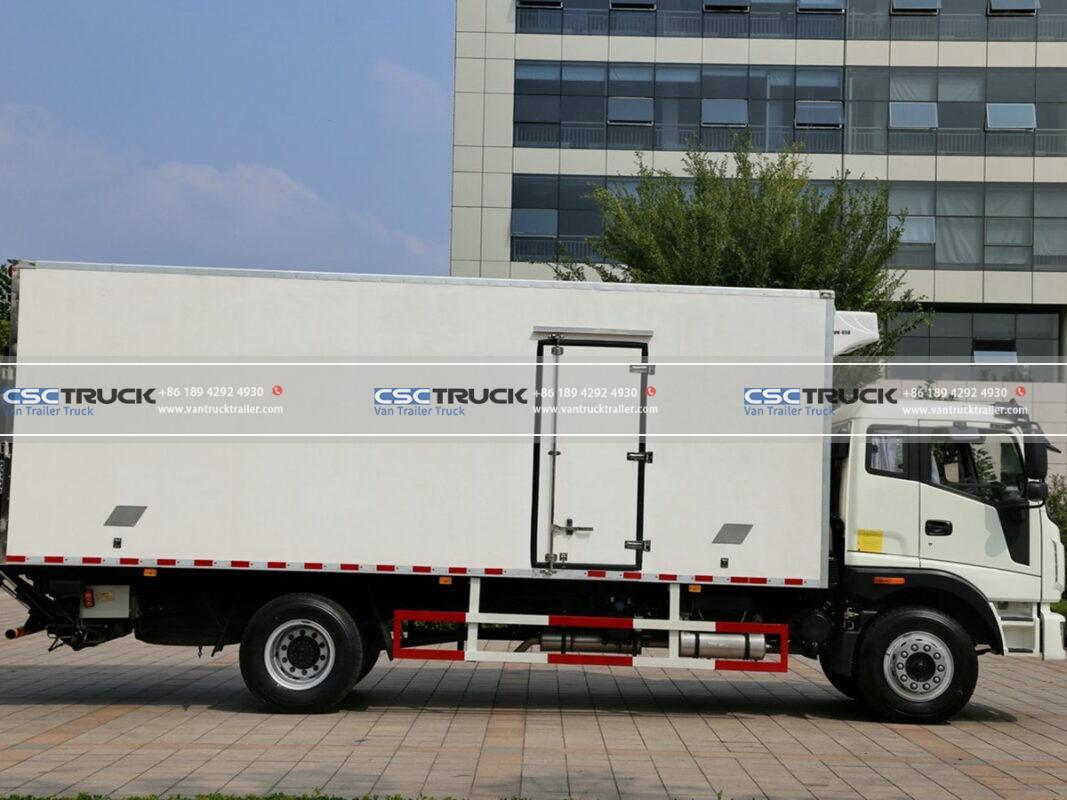
The medical waste trucks include specialized models such as van trucks and dump trucks, each engineered with hermetic sealing and automated disinfection systems to prevent leakage and cross-contamination during transport. For instance, the van trucks feature refrigerated compartments that maintain low temperatures to preserve waste integrity, while the dump trucks boast hydraulic lifting mechanisms for swift, hands-off unloading at treatment facilities. These designs incorporate UV-C sterilization and double-walled containment to neutralize pathogens, exceeding WHO guidelines for biohazard management and ensuring zero-emission operations in urban and rural settings alike.
Certification and Safety Protocols
Rigorous WHO certification mandates adherence to protocols like ISO 14001 environmental standards and OSHA-compliant safety features, including real-time GPS tracking and automated alerts for spill detection. Each truck undergoes third-party validation for durability in Ghana’s diverse climates, from humid coastal regions to arid interiors, guaranteeing uninterrupted service during extended pandemic waves. This certification not only validates the vehicles’ operational reliability but also aligns with global best practices for reducing healthcare-associated infections, thereby elevating Ghana’s capacity to handle surges in medical waste without compromising community health.
Collaborative Partnership Driving the Initiative
The deployment of these critical assets stems from a strategic alliance between CSCTRUCK Vantrucktrailer, a global leader in specialized vehicle manufacturing, and a prominent local big company with deep roots in Ghana’s logistics and healthcare sectors. Their joint contract focuses on technology transfer and local workforce training, ensuring that maintenance and operations are sustained by in-country expertise, which fosters economic empowerment and long-term self-sufficiency. This partnership exemplifies a public-private synergy, leveraging CSCTRUCK’s innovation in vantrucktrailer designs with the local firm’s network for seamless integration into Ghana’s existing waste management frameworks, ultimately creating jobs and building indigenous capabilities for future health emergencies.
Impact on Ghana’s Pandemic Response Ecosystem
Integrating these WHO-certified trucks into Ghana’s healthcare infrastructure delivers immediate and far-reaching benefits for pandemic mitigation, starting with a projected 30% reduction in waste-related infections through faster, safer disposal cycles. The fleet enables scalable response to outbreaks by decentralizing waste handling—moving from congested urban hospitals to remote clinics—thus preventing the kind of overflow that exacerbated previous crises. Moreover, this upgrade supports environmental sustainability by minimizing landfill use and promoting waste-to-energy conversion, aligning with Ghana’s national goals for green healthcare. Early simulations indicate enhanced emergency readiness, allowing health workers to focus on patient care rather than logistical bottlenecks, thereby strengthening the overall health security framework against evolving threats.
Envisioning a Healthier Future Through Innovation
As Ghana embraces this fleet, including versatile dump truck and van truck models, the nation sets a precedent for proactive health governance in Africa, inspiring similar investments across the continent to build resilient systems against pandemics. The CSCTRUCK Vantrucktrailer collaboration not only addresses current needs but also paves the way for next-generation solutions, such as AI-driven waste routing and solar-powered operations, which could revolutionize global health equity. This initiative symbolizes hope and collective action, demonstrating how strategic innovation and local partnerships can turn challenges into opportunities for a safer, healthier world where communities thrive even in adversity.