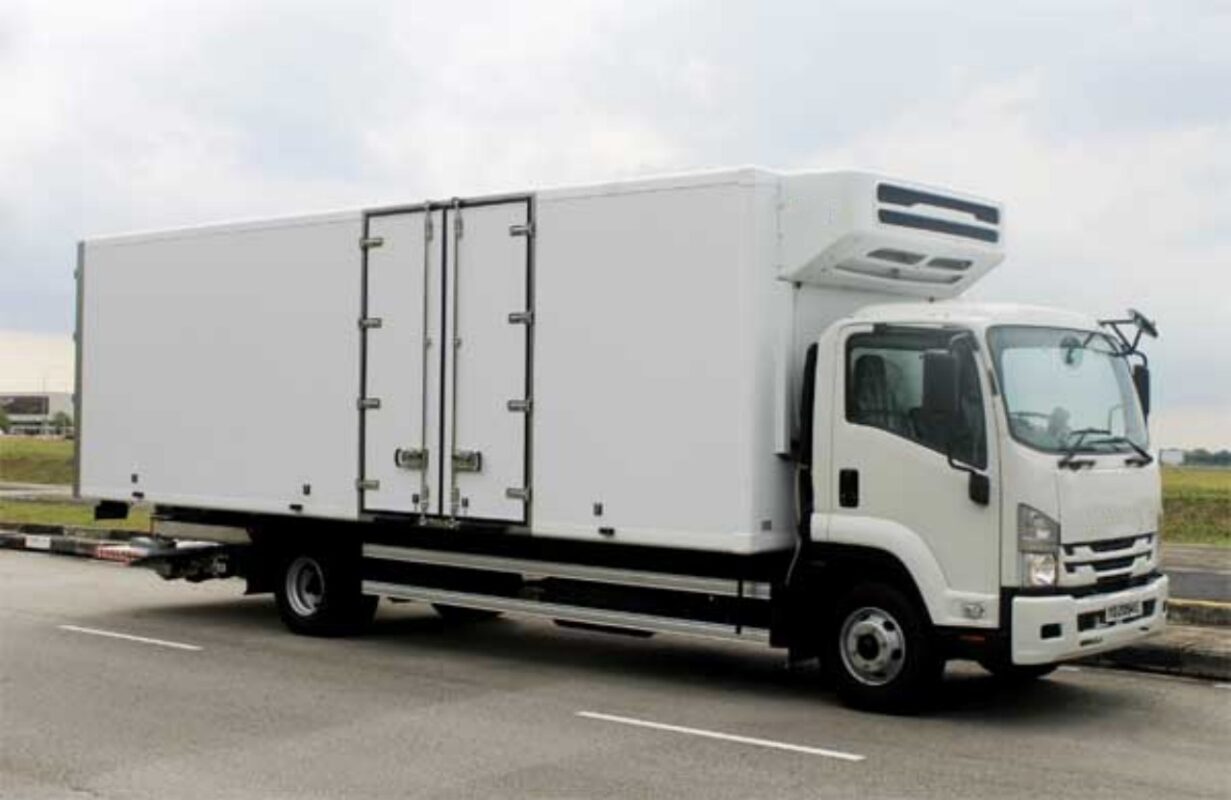
In the high-stakes realm of pharmaceutical logistics, where a single degree deviation can render a multi-million dollar shipment worthless and, more critically, compromise patient safety, the standard refrigerated trailer is no longer sufficient. The intricate tapestry of modern medicine demands unprecedented levels of precision, flexibility, and segregation within the cold chain. Enter the multi-zone reefer – a technological marvel rapidly evolving from a niche luxury into an absolute necessity for compliant, efficient, and reliable pharmaceutical transport. Unlike conventional single-temperature units, these sophisticated systems partition the cargo space into distinct, independently controlled climate chambers, enabling the simultaneous, secure transit of diverse temperature-sensitive products – from deep-frozen vaccines requiring cryogenic conditions to ambient-stable biologics – within a single vehicle. This capability addresses fundamental challenges inherent to pharma logistics, transforming the transportation segment from a vulnerable link into a pillar of integrity, ensuring that life-saving therapies reach their destination with their potency and efficacy meticulously preserved, safeguarding public health and upholding the stringent demands of global regulatory frameworks.
The Fragile Nature of Modern Pharmaceuticals: Beyond Simple Cold
The pharmaceutical landscape has undergone a revolutionary shift. We are no longer solely transporting aspirin bottles in ambient trucks. Today’s cargo represents the pinnacle of biomedical innovation, characterized by extreme sensitivity and diverse requirements.
- Thermolability Reigns Supreme: A vast array of critical medicines, including many vaccines, insulins, biologics (monoclonal antibodies, gene therapies, cell therapies), and specialized oncology treatments, are inherently thermolabile. Their complex molecular structures are exquisitely sensitive to temperature excursions; even brief exposure outside their narrow stability window can cause irreversible denaturation, aggregation, or loss of biological activity, rendering them ineffective or potentially harmful. The consequences extend far beyond financial loss, directly impacting patient treatment outcomes and public health initiatives like immunization programs.
- The Spectrum of Stability: Pharmaceutical products defy a one-size-fits-all temperature profile. Stability requirements span a daunting spectrum:
- Deep Frozen (-25°C to -30°C or colder): Essential for certain vaccines (e.g., some mRNA formulations), cell therapies, and advanced biologics.
- Frozen (-15°C to -25°C): Common for plasma derivatives, some hormones, and specific diagnostics.
- Refrigerated (2°C to 8°C): The critical range for the vast majority of vaccines, insulins, blood products, and many biologics.
- Controlled Room Temperature (15°C to 25°C): Required for a significant portion of solid dose medications, some infusions, and medical devices.
- Sensitivity to Other Factors: Temperature is paramount, but humidity, light exposure, and physical shock or vibration can also degrade product quality. Furthermore, cross-contamination between different products, even those requiring the same temperature, poses significant risks and necessitates robust segregation.
Multi-Zone Reefers: Architectural Mastery of the Cold Chain
A multi-zone reefer transcends the capabilities of a standard unit through sophisticated engineering that physically and operationally divides the cargo space.
- Independent Compartmentalization: The core principle involves creating physically segregated compartments within the trailer body using highly insulated internal bulkheads. These bulkheads are engineered to minimize thermal transfer between zones, effectively creating individual “freezer truck” environments or refrigerated spaces within the larger structure. The number of zones can vary (commonly 2-3, but configurations up to 4 or more exist), and their size can sometimes be adjusted to match specific load requirements.
- Dedicated Climate Control Systems: Each zone operates with its own independent refrigeration system or a sophisticated single system capable of managing multiple evaporators independently. This includes dedicated:
- Evaporator Units: Positioned within each zone to deliver precise cooling directly where needed.
- Air Circulation Systems: Ensuring uniform temperature distribution throughout the compartment, eliminating hot or cold spots that could jeopardize product.
- Control Systems: Advanced microprocessors managing the temperature, defrost cycles, and airflow independently for each zone based on its specific setpoint.
Unparalleled Temperature Precision & Stability
The independent nature of each zone’s climate control is fundamental to meeting the exacting demands of pharmaceutical products.
- Eliminating Cross-Temperature Influence: In a single-zone reefer, opening the door for a delivery instantly floods the entire space with warm, humid ambient air, causing a temperature spike that affects all cargo. Similarly, a large pallet of product at -20°C placed near the evaporator can create a localized cold spot impacting nearby refrigerated items. Multi-zone technology erects a thermal barrier. A door opening in the refrigerated zone has zero impact on the stability of the frozen products in an adjacent zone. Temperature deviations caused by loading patterns or product thermal mass in one compartment are contained within that compartment.
- Optimized Performance per Zone: Each zone’s refrigeration system operates precisely tuned to its required temperature range. A system designed to maintain -30°C operates very differently (with different refrigerant pressures, compressor loads, defrost strategies) than one maintaining +20°C. Independent control allows each system to run at its peak efficiency and stability for its specific task. Defrost cycles in the frozen zone won’t cause unwanted warming in the refrigerated zone. This results in significantly enhanced stability and reduced risk of excursions for every product on board.
Independent Control Systems: The Brains Behind the Operation
The sophisticated control architecture is what makes the independent operation of multiple climate zones possible and reliable.
- Advanced Microprocessor Controllers: Each zone is governed by its own intelligent controller, constantly receiving data from multiple high-precision temperature sensors strategically placed within the compartment (not just return air). These controllers make real-time adjustments to compressor speed (especially with variable speed technology), evaporator fan speed, and expansion valve operation to maintain the setpoint within a fraction of a degree.
- Zone-Specific Defrost Management: Frost buildup on evaporator coils is inevitable, particularly in low-temperature zones. Crucially, multi-zone systems initiate demand defrost cycles independently for each compartment. A defrost cycle in the frozen zone, which might involve temporarily warming the coils, occurs without affecting the temperature in the adjacent refrigerated zone. This prevents the thermal “spikes” that would occur if a single defrost cycle impacted the entire trailer.
- Redundancy & Fail-Safe Mechanisms: High-end systems often incorporate redundancy features. If one refrigeration circuit in a multi-compressor system fails, the vehicle may still be able to maintain critical zones (like the frozen vaccine compartment) by redistributing capacity, buying crucial time to address the issue before product is compromised.
Comprehensive Monitoring, Alarms, and Data Integrity
Visibility and verifiable proof of conditions are non-negotiable for pharmaceutical transport, and multi-zone reefers elevate this capability.
- Granular, Zone-Specific Data Logging: Modern systems provide continuous, independent monitoring of temperature (and often humidity) within each compartment. This granular data is logged at high frequency (e.g., every 1-5 minutes) and securely stored, often in cloud-based platforms. This provides irrefutable, compartment-specific proof of compliance throughout the journey.
- Targeted Alarm Management: Alarms for temperature deviations, door openings, or system failures are compartment-specific. A temperature drift in Zone 2 triggers an alert identifying Zone 2, allowing logistics managers and drivers to understand precisely where the issue is occurring and take immediate, targeted corrective action without unnecessary disruption to other stable zones. This specificity is impossible in a single-zone environment.
- Unified Reporting for Compliance: Despite the independent operation, data from all zones is consolidated into comprehensive electronic reports suitable for regulatory submissions (e.g., FDA 21 CFR Part 11 compliant audit trails). This demonstrates end-to-end control and segregation for every product category on the load.
Enhanced Security, Segregation, and Product Integrity
Beyond temperature, multi-zone reefers address critical physical and security needs inherent to pharmaceutical transport.
- Robust Physical Segregation: The insulated bulkheads provide a physical barrier between different products. This is vital for preventing cross-contamination – ensuring that potent oncology drugs cannot mix with or contaminate vaccines or other sensitive cargo, even in the event of a spill or package failure within one zone. It also prevents odor transfer.
- Dedicated Access Points: Configurations often include separate external doors for each compartment. This allows for the secure loading and unloading of specific products without exposing the entire cargo space to ambient conditions. For example, a pharmacy delivery requiring access only to refrigerated items can be performed while the frozen compartment remains sealed and undisturbed, maintaining its temperature integrity.
- Improved Cargo Security: The compartmentalization inherently adds a layer of physical security. Sensitive or high-value shipments can be isolated within a specific locked zone, reducing the risk of tampering or theft compared to a single, large open space accessible through one door.
Operational Efficiency and Cost Optimization
While requiring a higher initial investment, multi-zone reefers offer compelling operational advantages that drive long-term value.
- Consolidation of Shipments: The most significant efficiency gain is the ability to consolidate diverse shipments onto a single vehicle. Instead of sending a dedicated freezer truck for vaccines, a refrigerated cargo truck for insulin, and an ambient van for stable medications – incurring multiple trip costs, fuel, and driver hours – a multi-zone reefer can handle all three simultaneously. This drastically reduces the number of vehicles required, lowers total mileage, and cuts associated emissions and fuel costs.
- Optimized Routing: Consolidation enables more efficient route planning. A single truck can make multiple stops – perhaps delivering frozen products to a hospital, refrigerated biologics to a clinic, and ambient supplies to a pharmacy – on a single, optimized circuit, rather than three separate vehicles traversing potentially overlapping routes.
- Reduced Risk of Rejections & Losses: By virtually eliminating temperature excursions and cross-contamination risks through superior segregation and control, multi-zone reefers dramatically reduce the likelihood of costly product rejections upon delivery. Protecting the integrity of high-value pharmaceuticals prevents devastating financial losses and supply chain disruptions.
Implementing Multi-Zone Solutions: Matching Technology to Need
Successfully integrating multi-zone reefers requires careful consideration of operational profiles and partnering with specialized providers.
- Assessing Cargo Profile & Volume: Analyze the typical mix of temperature bands transported and the average volumes within each band. This determines the optimal number of zones (e.g., 2-zone: Frozen/Refrigerated or Refrigerated/Controlled Room Temperature; 3-zone: adding Deep Frozen or separating CRT) and their relative sizes. Frequent transport of very small volumes of ultra-cold products might warrant a dedicated small compartment within a larger unit.
- Vehicle Platform Selection: Multi-zone technology is adaptable across vehicle types:
- Vantrucktrailer (Box Trucks): Ideal for last-mile or regional distribution of smaller, diverse pharmaceutical loads (e.g., pharmacy deliveries, clinic supplies). Compact multi-zone bodies on cargo truck chassis offer urban maneuverability.
- Straight Trucks & Large Vans: Suitable for medium-volume multi-temperature distribution within a metropolitan area or region.
- Semi-Trailers: The backbone for large-scale, long-haul pharmaceutical distribution, offering the greatest capacity and zone configuration flexibility for moving bulk shipments between manufacturers, hubs, and major healthcare facilities.
- Partnering with Cold Chain Specialists: Designing, building, and maintaining multi-zone reefers demands expertise far beyond standard commercial refrigeration. Partnering with experienced specialized body builders and refrigeration system integrators like Vantrucktrailer, who deeply understand pharmaceutical validation (IQ/OQ/PQ), GMP/GDP principles, and the integration of advanced telematics and monitoring, is crucial. They ensure the vehicle meets stringent regulatory requirements, performs reliably, and delivers the promised precision and segregation throughout its operational life. This partnership transforms the multi-zone reefer from a transport unit into a validated, critical component of a secure and efficient pharmaceutical supply chain.