
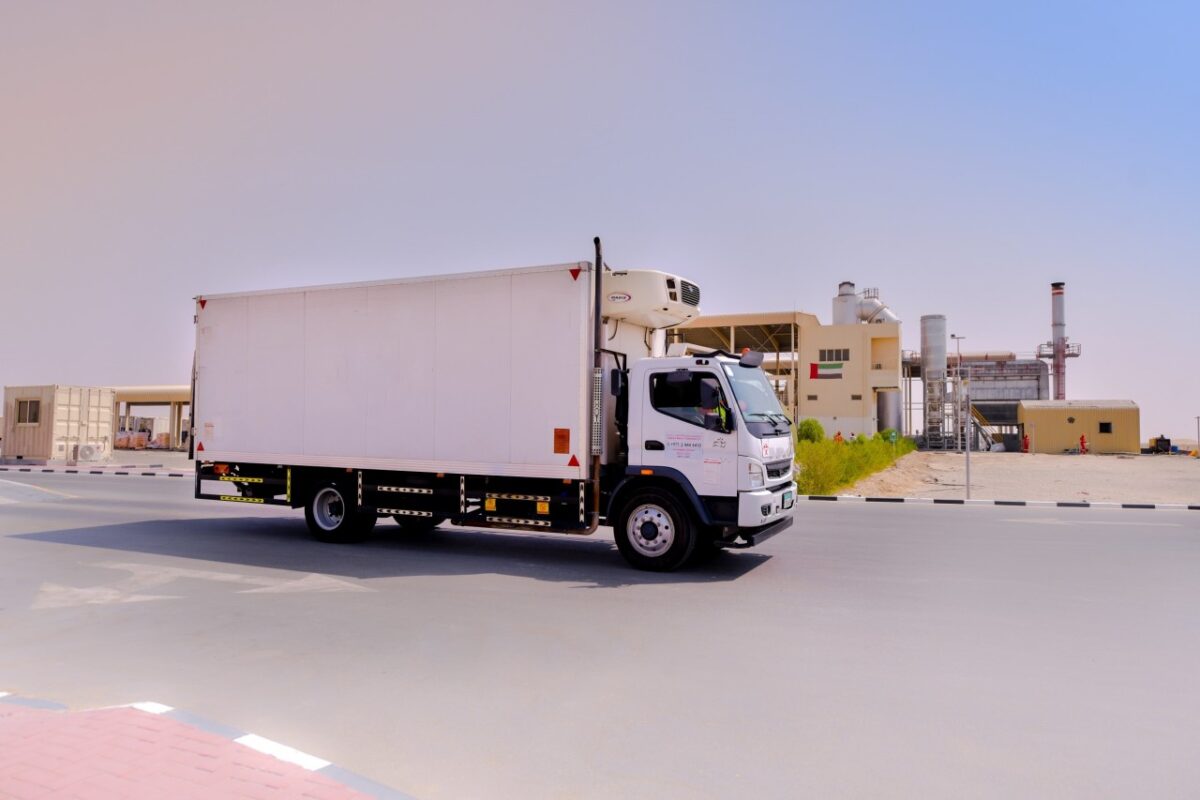
In the demanding world of logistics, where uptime is profit and downtime is disaster, the choice of vehicle construction material carries profound implications for a fleet’s operational lifespan and bottom line. While steel has long been the traditional workhorse, aluminum body cargo trucks are increasingly recognized as the superior investment for operators prioritizing longevity, durability, and sustainable operations. The shift towards aluminum isn’t merely a trend; it’s a strategic decision driven by fundamental material properties that translate directly into extended service life, reduced maintenance burdens, and significant long-term cost savings. Choosing aluminum is an investment in an asset built to endure the relentless rigors of daily haulage, season after grueling season, maximizing its productive years far beyond what conventional materials can typically offer.
The Science of Endurance: Aluminum’s Inherent Advantages
The exceptional longevity of aluminum bodies stems from a unique combination of physical and chemical properties inherent to the metal itself.
- Unrivaled Corrosion Resistance: This stands as aluminum’s most celebrated attribute and the primary driver of its extended lifespan. Unlike steel, which readily oxidizes (rusts) when exposed to moisture, road salts, de-icing chemicals, and atmospheric pollutants, aluminum forms a microscopically thin, inert protective oxide layer upon contact with oxygen. This layer is incredibly tenacious, self-healing if scratched, and acts as an impenetrable barrier, effectively halting the corrosion process before it can compromise the structural integrity of the body panels, framing, and sub-structures. This inherent resistance to oxidation means aluminum bodies maintain their structural soundness and aesthetic appearance for decades, even in harsh coastal environments, wintery regions with heavy salt usage, or industrial settings with chemical exposure, dramatically reducing the need for costly rust repairs, patch welding, or premature panel replacement that plagues steel-bodied counterparts.
- High Strength-to-Weight Ratio: Modern aluminum alloys used in truck body construction (such as the 5000 and 6000 series) are engineered to offer remarkable tensile strength and yield strength comparable to many grades of steel, but at roughly one-third the density. This crucial weight reduction isn’t just about payload; it fundamentally reduces the stresses imposed on the entire vehicle. Less mass translates directly into lower inertial forces during acceleration, braking, and cornering, reduced strain on the chassis frame, suspension components, brakes, tires, and drivetrain. By mitigating these stresses, an aluminum body contributes significantly to the overall longevity and reliability of the entire truck, not just its cargo box.
Conquering the Rust Demon: The Longevity Game-Changer
The battle against corrosion is arguably the single most significant factor determining the service life of any cargo vehicle. Aluminum fundamentally rewrites the rules of this battle.
- Eliminating Structural Degradation: Rust isn’t merely a cosmetic issue; it’s a structural cancer. On steel bodies, rust starts at vulnerable points like seams, welds, fastener holes, and areas impacted by stone chips, progressively eating away at the metal, weakening load-bearing members, compromising structural rigidity, and creating safety hazards. Repairing structural rust is complex, expensive, and often only a temporary fix. Aluminum’s imperviousness to rust means the fundamental structure of the body – its posts, frame rails, crossmembers, and panels – remains intact and strong year after year. This structural integrity is paramount for maintaining safe load containment and vehicle handling characteristics throughout the truck’s extended life.
- Reducing Maintenance Burden & Costs: The constant vigilance and expense associated with combating rust on steel bodies are eliminated. Operators save substantially on costs related to sandblasting, painting, patching, welding, and the associated labor and downtime. While aluminum can suffer from galvanic corrosion if improperly isolated from dissimilar metals (like steel fasteners), modern design practices using compatible fasteners and isolation techniques effectively mitigate this risk. The overall maintenance overhead for an aluminum body is demonstrably lower over its lifespan, freeing up resources and ensuring greater operational availability.
The Weight Advantage: More Than Just Payload
While the payload capacity gains from aluminum’s lightweight nature are well-documented (often allowing for hundreds or even thousands of additional kilograms of cargo per trip), the implications for longevity extend far beyond simple carrying capacity.
- Reduced Component Wear: As previously mentioned, the significant mass reduction of an aluminum body directly lessens the kinetic forces acting on the truck’s vital components. Suspension systems (springs, bushings, shock absorbers), braking systems (pads, rotors, drums, air chambers), tires, and driveline components (U-joints, differentials) experience considerably less stress and wear. This translates into longer intervals between replacements, fewer roadside failures, and a lower total cost of ownership. Essentially, the entire vehicle operates under less mechanical duress, extending the functional life of its core systems.
- Enhanced Fuel Efficiency & Sustainability: Less weight means the engine works less hard to move the vehicle, leading to measurable fuel savings over the truck’s lifetime. This not only reduces operating costs but also contributes to lower emissions, aligning with increasingly stringent environmental regulations and corporate sustainability goals. The energy efficiency gained is a direct contributor to the vehicle’s economic and environmental longevity within a fleet.
Structural Integrity & Durability: Built to Last the Distance
Concerns that aluminum might sacrifice strength for lightness are unfounded with modern engineering and alloy selection.
- Advanced Alloys & Engineering: Contemporary aluminum truck bodies utilize high-strength, heat-treatable alloys specifically designed for demanding structural applications. Sophisticated extrusion profiles create beams and posts with optimal strength-to-weight characteristics, while stiffened panels and robust corner castings ensure rigidity and resistance to dents and impacts. The joining techniques, including specialized welding processes (MIG, TIG) and structural adhesives, create bonds that are often stronger than the base material itself. These bodies are engineered to withstand the punishing loads, vibrations, and impacts inherent in daily cargo operations.
- Resilience to Fatigue: Aluminum possesses excellent fatigue resistance, meaning it can endure repeated cycles of stress (like vibration and flexing) without developing cracks or failing. This is crucial for cargo bodies constantly subjected to road vibrations and the dynamic forces of shifting loads. A well-designed aluminum structure maintains its integrity over millions of load cycles, a key factor in achieving decades-long service life.
Specialized Longevity: The Refrigerated & Van Truck Edge
The longevity benefits of aluminum are particularly pronounced and valuable in specialized applications like refrigerated transport and dry freight vans.
- Refrigerated Truck Superiority: For refrigerated trucks, maintaining an unbroken cold chain is paramount, and the integrity of the insulated body is critical. Aluminum’s corrosion resistance is invaluable here, as refrigerated units are constantly exposed to significant moisture condensation, aggressive cleaning chemicals used for sanitation, and temperature extremes. Corrosion in the walls, floor, or roof of a refrigerated trailer can compromise insulation efficiency, create thermal bridges leading to heat leakage, and damage the inner liner, allowing moisture ingress into the insulation core (which drastically reduces its R-value and can lead to structural issues). An aluminum body ensures the structural integrity and thermal efficiency of the refrigerated space remain uncompromised for the long haul, protecting valuable perishable cargo and minimizing costly refrigeration unit runtime and maintenance. The lightweight nature also allows for either more payload or the accommodation of heavier, more efficient refrigeration units without sacrificing legal weight limits.
- Van Truck Durability & Value Retention: For van trucks (box trucks), aluminum bodies offer exceptional durability and long-term value. They resist dents and dings better than thin-gauge steel, maintain their appearance without rust, and their inherent strength ensures secure load containment. The lightweight construction enhances payload and fuel efficiency. Critically, aluminum van bodies exhibit superior resale value compared to aged steel bodies, which often show significant rust damage and structural compromise. Buyers recognize the inherent longevity and lower future maintenance costs associated with a well-maintained aluminum van body, making it a more valuable asset at trade-in or resale.
Total Cost of Ownership: The Longevity Dividend
The initial purchase price of an aluminum body cargo truck is often higher than a comparable steel unit. However, this premium must be evaluated against the Total Cost of Ownership (TCO) over the vehicle’s operational life.
- Calculating the Long-Term Savings: The TCO equation factors in not just the purchase price, but fuel costs (lower with aluminum), maintenance and repair expenses (significantly reduced due to corrosion resistance and less component wear), downtime costs (less frequent repairs mean more revenue-generating miles), payload revenue potential (higher with aluminum), and residual value (higher for aluminum due to its preserved condition). When projected over 10, 15, or even 20 years – lifespans readily achievable with aluminum – the cumulative savings and additional revenue potential almost invariably justify the initial investment. The longevity of the aluminum body directly translates into more profitable years of service.
- Sustainability Through Longevity: Extending a vehicle’s operational life is intrinsically sustainable. It reduces the demand for raw materials, manufacturing energy, and the environmental impact associated with building new vehicles and disposing of old ones prematurely. Aluminum itself is infinitely recyclable without loss of quality, and at the end of its exceptionally long service life, the body retains high scrap value, further closing the material loop. Choosing aluminum is an investment in operational sustainability.
The Future-Proof Choice: Innovation and Enduring Value
The trajectory of commercial vehicle design continues to emphasize lightweighting, sustainability, and maximized asset utilization. Aluminum body technology is perfectly aligned with these trends. Continuous advancements in alloy development, manufacturing precision (like advanced robotic welding and forming), and design optimization (using sophisticated FEA modeling) are pushing the boundaries of what aluminum bodies can achieve, making them even stronger, lighter, and more durable. Leading manufacturers and specialized body builders, exemplified by innovators like Vantrucktrailer, are at the forefront of integrating these technologies, offering solutions that deliver unmatched longevity across diverse applications – from rugged curtain-siders and flatbeds to precisely engineered refrigerated trucks and secure, high-cube van trucks. Opting for an aluminum body cargo truck is not just a purchase; it’s a strategic commitment to an asset engineered for resilience. It’s choosing a partner built to withstand the corrosive forces of time and the relentless demands of the road, delivering reliable, cost-effective service far into the future. In an industry where durability defines profitability, aluminum provides the foundation for enduring success, ensuring your investment continues to generate returns mile after hard-earned mile, year after profitable year.