
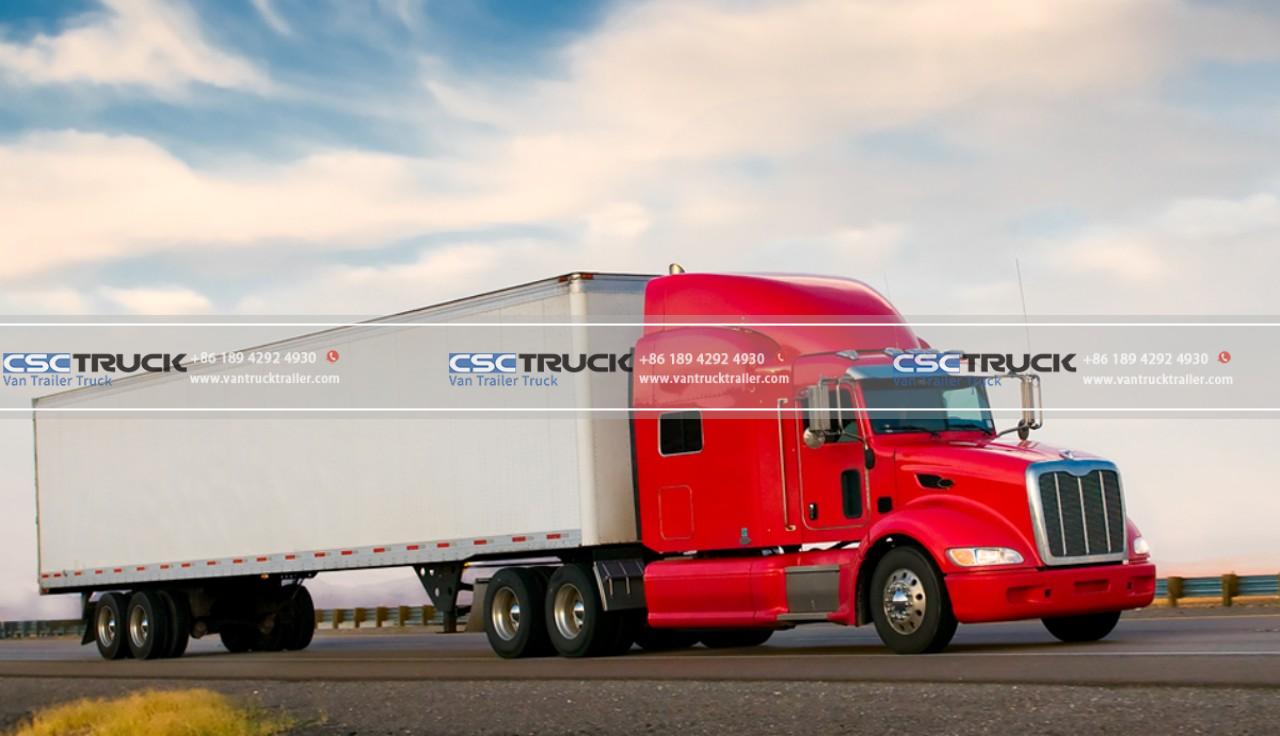
Rethinking Cargo Transport in a Changing Industry
In a logistics landscape where speed, efficiency, and adaptability increasingly dictate success, traditional vehicle configurations are proving too rigid to meet the demands of rapidly shifting supply chains, which is why modular cargo truck designs are rising in prominence as a solution that allows operators to transform vehicles into multifunctional assets capable of responding to diverse operational requirements without having to invest in entirely separate fleets.
The concept of modularity in cargo transport is built on the principle of flexibility—designing trucks that can be adapted with interchangeable modules, customized load compartments, or specialized equipment that aligns with specific cargo needs. Instead of maintaining one truck for perishable goods, another for livestock, and yet another for bulk freight, modular trucks allow operators to configure a single chassis with the required body or equipment, dramatically reducing capital expenditure and improving fleet efficiency.
Adaptability Across Multiple Industries
Logistics and Retail Distribution
One of the strongest cases for modular truck design lies in the logistics sector, where shipment demands fluctuate daily based on order volumes, product categories, and seasonal variations. A modular truck can transition from carrying dry goods to refrigerated products simply by replacing or modifying the container module, allowing logistics companies to maximize utilization and reduce empty miles. Retail chains benefit particularly from this versatility, since their distribution networks often require vehicles that can handle everything from clothing shipments to food deliveries on short notice.
Agriculture and Livestock Transport
In agriculture, where cargo requirements range from transporting raw produce to moving live animals, modular trucks provide an efficient bridge between diverse needs. Farmers and cooperatives often face the challenge of balancing investments in separate fleets for crops, tools, and livestock, but with modular systems, a single truck can be reconfigured as a livestock truck one week and then adapted for grain transport the next, providing a cost-effective alternative that significantly reduces idle fleet capacity.
Technological Enhancements That Strengthen Modular Designs
The growth of modular trucks is not simply a product of mechanical engineering but also the result of technological integration that ensures safety, durability, and compliance across different applications. Advanced hydraulic lift systems make it possible to switch modules quickly, while electronic monitoring systems track load security and ensure that weight distribution remains compliant with regulations.
Furthermore, the increasing use of telematics ensures that operators can monitor the performance of each module—whether it is a refrigerated container, a livestock compartment, or a flatbed—allowing for preventive maintenance and real-time adjustments. Smart connectivity features also enable fleet managers to anticipate when modules should be rotated or serviced, reducing downtime and extending the life cycle of the investment.
Economic Efficiency and Fleet Optimization
For companies operating in highly competitive markets where margins are slim, the economic logic of modular truck adoption is compelling, since modularity directly impacts both capital and operational expenditures. By reducing the need to purchase specialized vehicles for every function, businesses can allocate fewer resources toward fleet acquisition and direct those savings into maintenance, digital integration, or expansion.
Operationally, modular trucks allow fleets to maintain higher utilization rates, ensuring that assets rarely sit idle. For example, a truck that transports perishable goods using a refrigerated module in the morning could, after a quick reconfiguration, carry construction materials in the afternoon, maximizing productivity from a single vehicle investment. This adaptability reduces the total number of trucks needed within a fleet, minimizing not only costs but also environmental footprints through fewer vehicles on the road.
Environmental and Sustainability Considerations
Beyond economic benefits, modular truck designs align strongly with sustainability goals, which have become increasingly critical in industries under pressure to reduce emissions and optimize resource use. By consolidating multiple transport needs into fewer vehicles, companies effectively lower fuel consumption, reduce the number of trips required, and minimize the environmental impact of fleet operations.
Additionally, modular systems make it easier to adopt alternative energy vehicles, since companies can invest in a smaller number of advanced green trucks and maximize their use through interchangeable modules rather than outfitting entire specialized fleets. As regulatory frameworks around emissions continue to tighten globally, this strategic advantage is expected to become one of the strongest motivators for modular adoption.
Practical Applications and Future Outlook
Versatility Across Truck Types
The appeal of modular design is that it is not confined to one category of vehicles but spans across multiple formats, from light-duty van truck configurations used for last-mile delivery to heavy-duty cargo haulers that move bulk commodities across borders. In each case, modular systems amplify the value of the truck by transforming it into a multipurpose platform rather than a single-purpose asset.
For last-mile delivery operations, modularity means faster adaptation to consumer demand shifts—switching between high-volume parcel loads and temperature-controlled grocery deliveries in hours rather than days. For long-haul logistics, it means flexibility to meet diverse client needs without requiring a patchwork of highly specialized fleets that are expensive to maintain and underutilized during off-seasons.
Long-Term Strategic Value
Looking forward, the integration of modularity with automation, electrification, and digital fleet management will further expand its appeal. Trucks designed for quick module swapping could soon become automated hubs that integrate robotic handling systems, ensuring smoother transitions between cargo types. Electrified modular trucks will benefit from lighter, more aerodynamic designs that extend range, while digital analytics will optimize module use to balance demand across supply chains.
The long-term impact is clear: modularity represents more than a design philosophy—it is a strategy that prepares businesses for an unpredictable future where flexibility, efficiency, and sustainability are inseparable. Manufacturers such as CSCTRUCK Vantrucktrailer are pioneering this approach, delivering trucks that combine advanced modular engineering with robust performance, ensuring that companies across industries can adapt quickly to changing demands. Whether for a logistics firm optimizing last-mile operations, an agricultural cooperative managing both crops and livestock, or a retailer balancing seasonal shifts, modular cargo truck designs stand out as the forward-looking choice that unites practicality, efficiency, and long-term resilience.