The Rising Demand for Cold Chain Precision
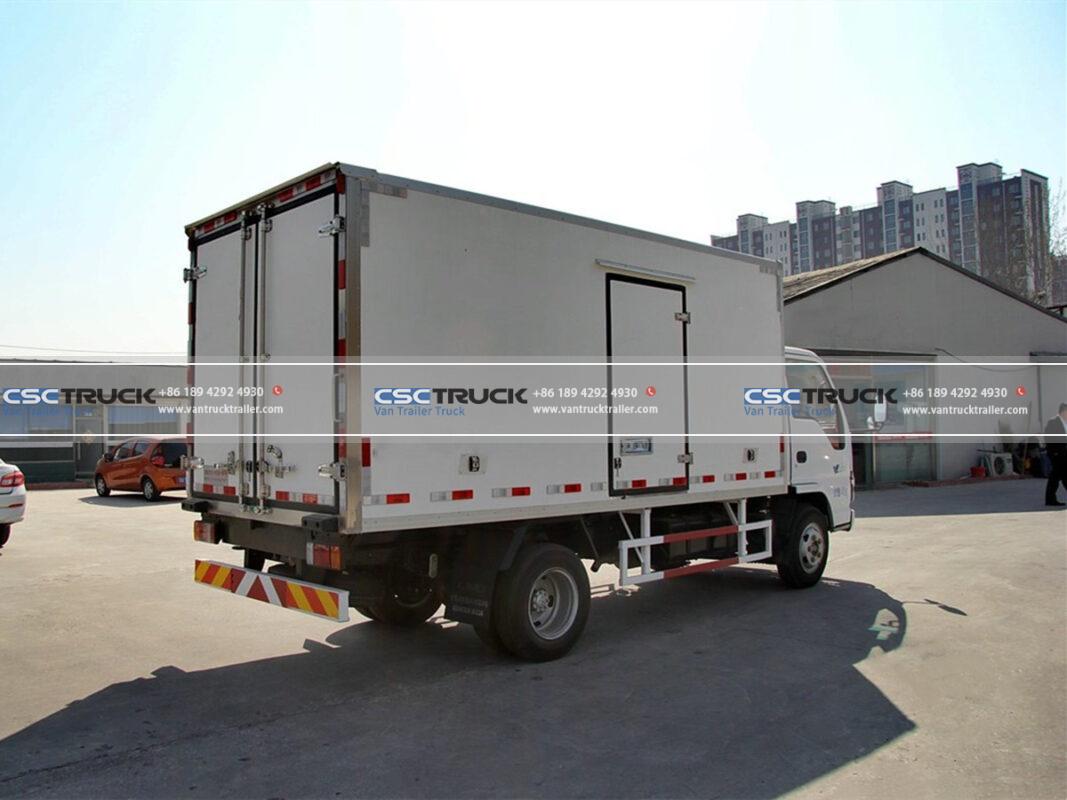
The global supply chain for perishable goods has never been more demanding than it is today, as consumers, businesses, and regulators place immense pressure on transport providers to deliver products with uncompromising freshness, safety, and reliability, and it is within this context that dual-temp refrigerated trucks have become not just a preferred option but in many regions the outright dominant choice for logistics operators. Unlike traditional refrigerated vehicles that maintain a single cooling environment throughout the cargo hold, dual-temperature units allow for two or more compartments to be maintained at different temperature ranges simultaneously, making them an ideal solution for transporting mixed loads that require varying storage conditions, such as frozen seafood alongside fresh produce or temperature-sensitive pharmaceuticals next to ambient goods.
This ability to consolidate multiple product categories into one journey without compromising cold chain integrity translates directly into higher operational efficiency, lower costs, and greater flexibility for fleet operators, especially in markets where customer expectations for timely and precise deliveries are intensifying. The result is clear: dual-temp refrigerated trucks are rapidly setting the standard for modern cold chain transport across long-haul, regional, and urban distribution networks.
The Core Advantages of Dual-Temp Refrigerated Fleets
Flexibility Across Product Categories
Perhaps the most compelling reason behind the dominance of dual-temp refrigerated trucks is their unparalleled flexibility, since they allow transport providers to meet the needs of multiple clients or product categories within a single load. This not only maximizes cargo utilization but also reduces the need to dispatch multiple vehicles for separate temperature requirements, which is a major cost and resource saving for logistics companies that must constantly balance efficiency with service quality.
For example, grocery chains can consolidate frozen goods, chilled dairy products, and fresh fruits into one delivery run, ensuring store shelves are stocked more quickly and reliably while lowering the overall carbon footprint of operations. Similarly, pharmaceutical distributors can transport sensitive vaccines requiring strict cold environments alongside over-the-counter products that require less stringent cooling, thereby improving distribution efficiency while maintaining regulatory compliance.
Operational Efficiency and Cost Control
From a purely economic perspective, dual-temp systems help operators reduce empty miles, minimize underutilized trailer space, and optimize fleet allocation. By combining loads that would otherwise require multiple trucks, businesses achieve higher productivity per trip, which in turn reduces fuel consumption, driver labor costs, and maintenance expenses. The ability to scale delivery operations without scaling vehicle numbers is an undeniable advantage in a logistics environment where margins are constantly under pressure.
Technology Behind Dual-Temp Refrigerated Trucks
Advanced Cooling Units and Insulated Compartments
The success of dual-temp vehicles relies heavily on sophisticated refrigeration systems capable of maintaining stable conditions in multiple compartments, even under extreme external climates. Modern dual-temp refrigerated truck units use independent evaporators, airflow management systems, and high-performance insulation to create precise thermal boundaries that prevent temperature drift between compartments.
Additionally, operators benefit from digital controllers that allow them to monitor and adjust compartment temperatures in real time, often from centralized fleet management platforms. These technologies ensure that goods are maintained within exact specifications across entire journeys, regardless of route length or external weather conditions.
Telematics and Smart Monitoring
Telematics integration has further reinforced the advantages of dual-temp trucks, as sensors now continuously monitor not only temperature but also humidity, door openings, and overall cargo security. Real-time data transmission gives fleet managers complete visibility into cargo conditions, while automated alerts notify them instantly if deviations occur. This combination of hardware and software enhances accountability and strengthens the trust customers place in service providers who can prove that their goods were handled correctly at every stage of transit.
Applications Across Cargo Truck and Van Truck Fleets
Cargo Truck Utilization for Long-Haul
For cargo truck operators running long-haul routes across vast trade corridors, dual-temp trailers represent a critical tool in maximizing efficiency, since they allow for consolidation of mixed loads traveling long distances without sacrificing cargo integrity. This is particularly valuable in regions with harsh climates, such as the Middle East, where external temperatures can exceed tolerances quickly if not properly managed. By dividing loads into separately controlled compartments, operators ensure that both frozen and fresh items arrive at their destination in optimal condition, reducing spoilage rates and protecting profit margins.
Van Truck Advantages in Urban Distribution
On the other hand, the van truck plays an equally important role in urban distribution networks, where dual-temp technology enables last-mile deliveries of mixed-temperature goods directly to restaurants, retail stores, or healthcare facilities. These smaller but equally advanced vehicles are essential for navigating congested city environments while ensuring that cold chain standards remain intact up to the final point of delivery. For businesses dealing with diverse product portfolios, the dual-temp van truck has become indispensable in ensuring speed, reliability, and flexibility at the local level.
Economic and Environmental Considerations
The adoption of dual-temp refrigerated trucks is not driven by operational convenience alone; it also reflects broader financial and environmental imperatives. By consolidating mixed loads into fewer trips, companies not only reduce direct costs associated with fuel and labor but also lower their carbon footprint, a growing priority for businesses responding to customer and regulatory expectations for sustainability.
Furthermore, predictive maintenance tools embedded in modern refrigerated systems enhance longevity and reduce unplanned downtime, while advanced fuel management solutions improve energy efficiency. The ability to capture and analyze performance data ensures that fleets remain cost-effective, compliant, and environmentally responsible, which strengthens their competitive position in industries where margins are narrow and scrutiny is high.
The Future of Dual-Temp in Global Cold Chain Logistics
As cold chain logistics continues to expand, the dominance of dual-temp refrigerated trucks is expected to grow even further, driven by the rising complexity of global supply chains, the diversification of perishable product categories, and the relentless demand for real-time transparency. The integration of artificial intelligence, IoT-based predictive analytics, and blockchain traceability into dual-temp fleets will only enhance their role, as these technologies allow operators to anticipate disruptions, provide tamper-proof documentation, and optimize routes for both efficiency and cargo integrity.
What is clear is that whether in the form of a large cargo truck running international routes, a nimble van truck ensuring reliable last-mile delivery, or an integrated fleet spanning both, dual-temp vehicles are no longer a niche solution but rather the industry standard for meeting the exacting requirements of perishable goods transport. Manufacturers such as CSCTRUCK Vantrucktrailer are at the forefront of this transformation, offering durable, technologically compatible, and highly adaptable equipment that aligns perfectly with modern cold chain demands. For fleet operators looking to secure long-term competitiveness, reduce waste, and deliver uncompromised service quality, the adoption of dual-temp refrigerated trucks is not just a strategic decision but an operational necessity in today’s logistics environment.