The Environmental Imperative of Zero-Emission Cooling
Traditional diesel-powered reefer units represent a dual environmental threat, emitting both transportation exhaust and refrigeration pollutants simultaneously. A single diesel reefer operating 12 hours daily releases approximately 28 tons of CO₂ annually while consuming over 6,000 gallons of fuel. Beyond greenhouse gases, they emit nitrogen oxides (NOx) at 15x the rate of modern truck engines and release hydrofluorocarbon (HFC) refrigerants with global warming potentials thousands of times greater than CO₂. Electric refrigerated trucks eliminate tailpipe emissions entirely during stationary cooling and dramatically reduce mobile emissions during transit. When powered by renewable energy, they achieve near-total carbon neutrality across the cold chain – a critical advancement as food logistics accounts for 8% of global emissions. The transition isn’t merely environmentally responsible; it’s becoming operationally inevitable as climate disclosure mandates tighten worldwide.
Regulatory Compliance Acceleration
Three converging regulatory forces make adoption imperative:
- Urban Zero-Emission Zones: Over 300 cities including London, Amsterdam, and Los Angeles now restrict diesel refrigeration during deliveries. Violations incur £200-€750 daily penalties that quickly erase profit margins.
- Refrigerant Phaseouts: The Kigali Amendment mandates 85% reduction in HFCs by 2036, making conventional systems obsolete. Electric systems use low-GWP CO₂ cascade refrigeration unaffected by these bans.
- ESG Reporting Mandates: SEC climate disclosure rules require Scope 1 emissions reporting – impossible to optimize without transitioning refrigeration loads to electric.
Technological Enablers Overcoming Historical Barriers
Recent innovations resolve traditional electric reefer limitations:
- Battery Density Breakthroughs: Lithium-iron phosphate batteries now deliver 8-12 hours runtime at -20°F without weight penalties. Carrier’s Vector eCool system provides 140 kWh capacity within standard rail dimensions.
- Smart Refrigeration Systems: AI-driven thermal management predicts door openings, pre-chilling cargo before stops and reducing compressor cycles by 40%. Real-time product temperature monitoring prevents $15,000+ perishable loss incidents.
- Hybrid Charging Solutions: Solar-integrated trailer roofs extend runtime 15-20%, while hydrogen range extenders enable 72+ hour continuous operation – critical for pharmaceutical transport.
Energy Resilience and Grid Integration Benefits
Electric cold chains transform energy liabilities into strategic assets:
Bidirectional Power Utilization
Advanced vehicle-to-grid (V2G) systems enable reefers to:
- Sell excess battery capacity during peak demand ($0.35/kWh incentives)
- Power distribution centers during outages
- Offset charging costs by 25-60% through smart grid arbitrage
Renewable Energy Synergies
Depot-based solar canopies generate 150-300 kWh/day – sufficient to fully charge 2-3 reefers while eliminating grid dependence. California’s Load Flexibility Program pays $2,000/year per truck for charging during renewable surplus windows.
Fleet Integration Strategies
Successful deployment requires operational reengineering:
- Route-Specific Deployment: Prioritize urban multi-stop routes (<100 miles) where regenerative braking recovers 20% energy and overnight depot charging suffices.
- Preconditioning Protocols: Implement mandatory 1-hour cabinet pre-cooling while grid-connected, reducing en-route energy drain by 30%.
- Telematics Integration: Connect refrigeration controllers to fleet management systems to automate:
- Geofenced compressor adjustments near noise-sensitive areas
- Dynamic defrost scheduling based on humidity sensors
- Battery health diagnostics predicting capacity fade
Future-Proofing the Cold Chain
Early adopters gain decisive competitive advantages:
- Infrastructure First-Mover Benefits: Securing priority access to depot charging before zoning restrictions tighten, with companies like Lineage Logistics reporting 6-month faster permitting for existing sites versus new construction.
- Green Premium Pricing: Major retailers now pay 8-12% freight rate premiums for zero-emission deliveries, with Walmart’s Project Gigaton requiring suppliers to use low-carbon transport by 2030.
- Residual Value Protection: Diesel reefer trailers face accelerated obsolescence, with auction values projected to decline 35% by 2030. Electric units retain stronger secondary market demand due to transferable battery warranties.
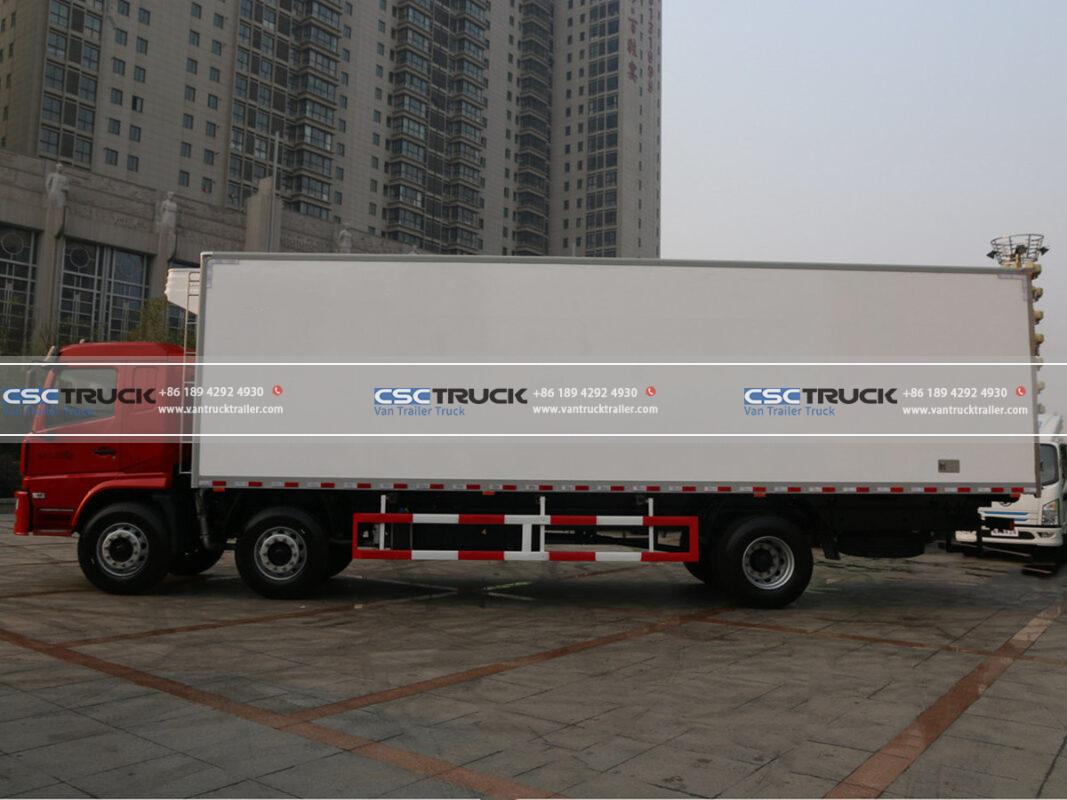
The sustainability transformation extends beyond dedicated reefers. Cargo truck fleets now deploy all-electric multi-temperature bodies for last-mile grocery delivery, while box truck operators utilize removable electric refrigeration modules for dual-purpose dry/cold freight applications. Even specialized vantrucktrailer configurations serving farmers’ markets benefit from silent overnight preservation without diesel fumes – a tangible market differentiator increasingly demanded by environmentally conscious consumers. This convergence of regulatory pressure, technological maturity, and economic advantage positions electric refrigeration not as a future concept, but as the present-day operational standard for forward-thinking cold chain operators committed to both planetary stewardship and profitability.