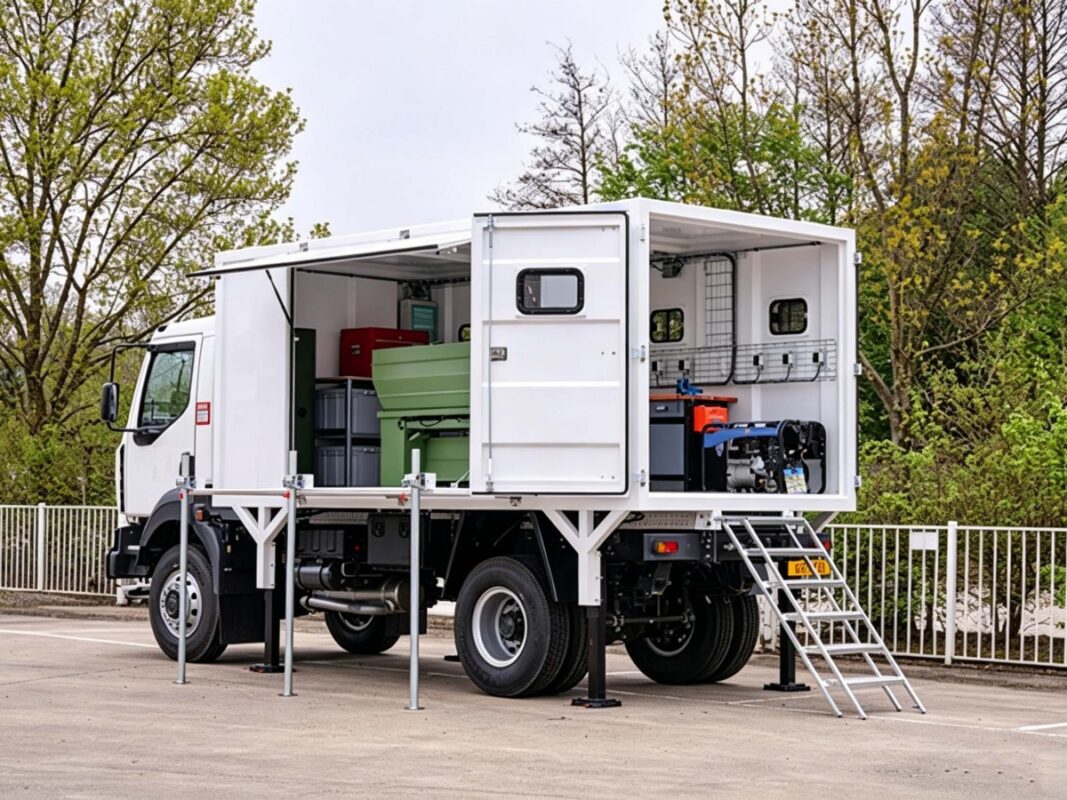
When equipment fails at a remote job site, every minute of downtime can mean higher operating costs and delayed projects. This is why many industries rely on mobile workshop trucks — bringing tools, spare parts, and repair capabilities directly to the field.
However, not all mobile workshop trucks are designed the same way. A truck may look well-equipped, but small configuration differences can greatly affect real working efficiency.
Before purchasing, buyers should carefully evaluate these five key features to avoid the common problem of “buying first and discovering limitations later.”
1. Power System: PTO or Independent Generator?
The power system is the foundation of a mobile workshop truck. It determines what tools and equipment can operate at the work site.
There are two common solutions:
PTO (Power Take-Off) System
A PTO system uses the truck engine’s power to drive hydraulic tools or equipment.
Advantages:
- Integrated with the vehicle system
- Lower additional equipment cost
- Suitable for hydraulic tools
- Simple maintenance
Best for:
- Hydraulic jacks
- Lifting equipment
- Hydraulic pumps
- Basic repair operations
However, PTO systems depend on the vehicle engine. When the truck is parked for long periods, continuous operation may increase fuel consumption and engine wear.
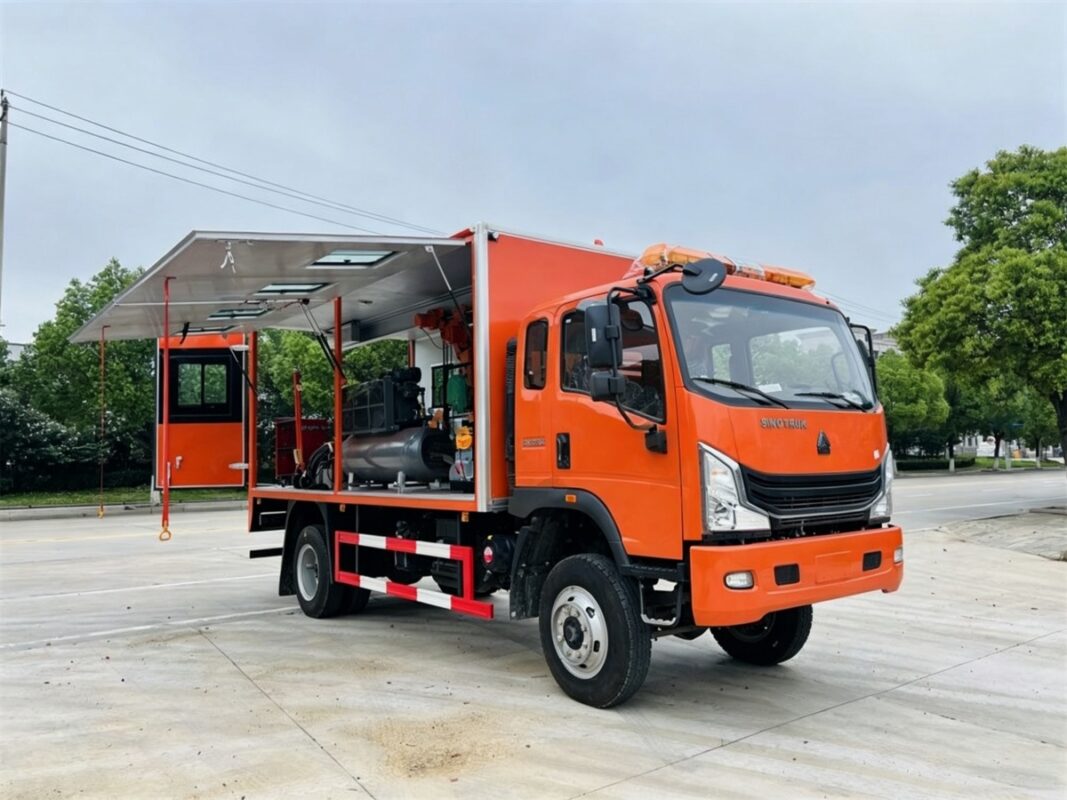
Independent Generator System
An independent generator provides electrical power separately from the truck engine.
Advantages:
- Can power electric tools continuously
- Supports welding machines and compressors
- Allows operation while the truck engine is off
Best for:
- Electrical repair work
- Welding operations
- Remote maintenance stations
For heavy-duty field repair, a combination of PTO and generator systems often provides the greatest flexibility.
2. Storage Space: Organization Determines Efficiency
A mobile workshop is only effective when technicians can quickly find the tools and parts they need.
A well-designed truck should include:
- Tool cabinets
- Drawer systems
- Spare parts shelves
- Safety storage areas
- Equipment mounting points
Poor storage design can create several problems:
- Longer repair preparation time
- Tools damaged during transportation
- Limited working space
- Difficulty managing spare parts
A professional layout should separate different areas:
Frequently used tools → easy-access drawers
Heavy equipment → lower storage positions
Small parts → labeled compartments
Hazardous items → dedicated safety storage
A good organization turns the truck into an efficient mobile repair station instead of just a vehicle carrying equipment.

3. Workbench Area: Can It Handle Real Repairs?
A common mistake when choosing a mobile workshop truck is focusing only on storage while ignoring the working area.
A proper mobile workshop needs enough space for technicians to perform actual repairs.
The workbench should consider:
- Surface size
- Load capacity
- Working height
- Lighting position
- Equipment placement
For larger repairs, technicians may need space for:
- Engine components
- Hydraulic parts
- Mechanical assemblies
- Electrical equipment
A small work surface may be acceptable for basic maintenance, but it can become a limitation during complex repairs.
The right workshop design balances storage capacity and practical working space.
4. Lighting System: Ready for Night Operations
Equipment failures do not always happen during working hours.
Emergency repairs often take place:
- At night
- In poor weather
- In remote locations
- In low-visibility environments
A professional mobile workshop truck should include:
- LED work lights
- Adjustable lighting poles
- Interior cabinet lights
- Warning lights
Good lighting improves:
- Repair accuracy
- Worker safety
- Operation efficiency
A well-designed lighting system allows technicians to continue working without relying on external light sources.

5. Safety Equipment: Never Ignore Protection
A mobile workshop carries fuel, tools, electrical equipment, and machinery components, so safety features are essential.
Important safety equipment includes:
Fire Protection
- Fire extinguishers
- Fire-resistant storage areas
- Emergency response equipment
Warning Systems
- Flashing warning lights
- Reflective markings
- Safety signs
These improve visibility when working near roads or construction areas.
Emergency Controls
Depending on configuration, safety systems may include:
- Emergency stop switches
- Power cut-off devices
- Safety protection systems
A well-equipped workshop truck protects not only the equipment but also the technicians operating it.
Common Buying Mistakes to Avoid
Many buyers focus mainly on:
- Truck brand
- Engine power
- Exterior appearance
But the real working performance depends on the workshop configuration.
Before purchasing, ask:
✅ Can it power all required tools?
✅ Is the storage layout practical?
✅ Is there enough repair space?
✅ Can it operate at night?
✅ Does it meet workplace safety requirements?
These questions help prevent costly modifications after delivery.
Conclusion: Build a Workshop That Works in the Field
A mobile workshop truck is more than a vehicle with tools — it is a complete field service solution.
The right configuration should provide:
- Reliable power
- Efficient storage
- Practical workspace
- Professional lighting
- Complete safety protection
Whether used in mining, construction, transportation, or emergency maintenance, a well-designed mobile workshop truck can significantly reduce downtime and improve repair efficiency.
Choosing the right features before purchase ensures the truck becomes a true mobile maintenance center — ready whenever and wherever repairs are needed.
Looking for a reliable mobile workshop truck solution for your business? Contact CSCTRUCK for professional customized solutions designed to meet different industry requirements and working conditions.