
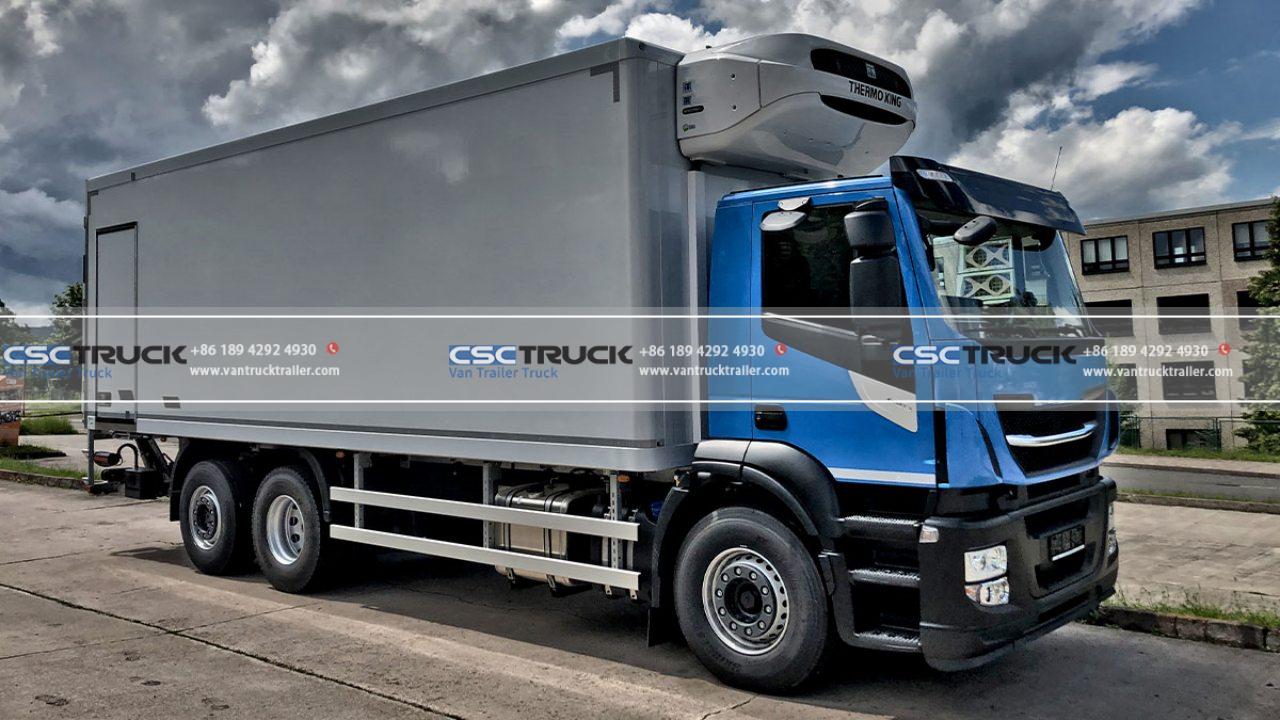
The Growing Need for Mobile Medical Clinic Trucks in Remote Healthcare Delivery
Access to quality healthcare remains one of the most persistent challenges in rural, geographically isolated, and economically underserved regions around the world. While urban centers benefit from large hospitals, specialized clinics, and integrated healthcare networks, remote communities often struggle with limited medical infrastructure, shortages of trained professionals, and significant transportation barriers. In response to these challenges, the mobile medical clinic truck has emerged as a practical and scalable solution that brings essential healthcare services directly to the populations that need them most.
From a commercial vehicle and fleet management perspective, mobile medical clinic trucks represent far more than modified vehicles with medical equipment installed inside. They are purpose-built, highly engineered platforms that integrate medical functionality, power systems, climate control, and patient privacy within a compact yet durable transport unit. For healthcare organizations, government agencies, non-governmental organizations, and private medical providers, investing in such vehicles is a strategic decision that can expand service coverage, improve public health outcomes, and enhance operational flexibility.
Unlike a standard cargo truck designed primarily for freight movement, or a typical box truck used for general logistics, a mobile clinic must combine transportation reliability with clinical precision. It must perform consistently in varying terrains and climates while maintaining medical-grade standards inside the patient treatment area. Understanding how to deploy these vehicles effectively requires both healthcare insight and commercial vehicle expertise.
Engineering the Mobile Medical Clinic: From Chassis to Clinical Environment
The foundation of any mobile medical clinic truck begins with the appropriate chassis selection and body configuration. While the end goal is healthcare delivery, the vehicle must first function as a reliable transport platform capable of reaching remote destinations safely and efficiently.
Chassis Selection and Structural Integrity
Selecting the right chassis depends on terrain, distance, and load requirements. In remote mountainous or rural environments, a heavy-duty chassis with reinforced suspension and higher ground clearance may be necessary. In flatter rural regions with established road networks, a medium-duty platform may provide sufficient performance while reducing acquisition and operating costs.
Durability is critical. Unlike urban delivery vehicles that operate primarily on paved roads, mobile clinics may encounter uneven surfaces, gravel roads, or seasonal weather challenges. Therefore, the chassis must support not only the medical build-out but also the additional weight of generators, water tanks, HVAC systems, and diagnostic equipment.
Body Configuration: Box Design vs. Custom Modules
Most mobile medical clinic trucks are constructed using a modified box truck configuration due to its enclosed, rectangular cargo area, which allows efficient interior layout planning. The box structure provides flat walls and ceilings, simplifying the installation of cabinets, examination tables, sinks, and medical storage compartments.
In some cases, specialized body manufacturers build custom medical modules that extend beyond standard cargo dimensions to accommodate multiple treatment rooms or advanced diagnostic equipment. These modular bodies can include slide-out sections that expand interior space once the vehicle is parked, creating a more comfortable clinical environment for patients and staff.
The design phase must prioritize infection control, patient privacy, ergonomic workflow, and compliance with local healthcare regulations. Flooring materials, interior surfaces, lighting, and ventilation systems must meet medical standards while remaining durable enough to withstand continuous travel.
Operational Capabilities: What Services Can a Mobile Clinic Provide?
The versatility of a mobile medical clinic truck allows it to support a wide range of healthcare services, depending on its design and equipment configuration.
Primary Care and Preventive Services
Many mobile clinics focus on primary care, vaccinations, maternal health services, and chronic disease screening. These services require examination space, refrigeration units for vaccines, basic diagnostic tools, and secure storage for medications.
For rural populations that would otherwise need to travel long distances for routine check-ups, the availability of mobile primary care services can significantly improve health outcomes and early disease detection rates.
Specialized Diagnostic Units
Some mobile clinic trucks are equipped with advanced diagnostic equipment, including ultrasound machines, X-ray systems, dental chairs, and laboratory testing facilities. These units often require additional power capacity and shielding considerations to meet safety standards.
In these cases, the vehicle functions as a fully operational medical facility on wheels, capable of delivering specialized services without requiring permanent infrastructure.
Emergency and Disaster Response
Mobile medical clinic trucks also play a crucial role in disaster response scenarios, where local healthcare facilities may be damaged or overwhelmed. Rapid deployment capability allows medical teams to establish temporary treatment centers in affected areas.
In such scenarios, the vehicle’s mobility, durability, and self-sufficiency become paramount. Onboard generators, water systems, and communication equipment ensure continued operation even when local infrastructure is compromised.
Power Systems, Climate Control, and Self-Sufficiency
One of the most critical considerations in mobile clinic design is ensuring operational independence. Remote areas often lack reliable electricity and water supply, requiring the vehicle to function autonomously.
Power Generation and Electrical Systems
Most mobile medical clinic trucks incorporate onboard generators or hybrid power systems to operate medical equipment, lighting, refrigeration, and climate control systems. In some cases, solar panels are integrated to supplement power generation and reduce fuel consumption.
The electrical system must be carefully engineered to support sensitive medical devices without voltage fluctuations. Backup power solutions are essential to prevent service interruption during patient examinations or procedures.
Climate Control and Environmental Management
Maintaining a controlled interior environment is essential for both patient comfort and equipment functionality. HVAC systems must provide stable temperature regulation, especially in regions with extreme heat or cold.
Insulation quality directly impacts energy efficiency. Proper insulation reduces generator workload and ensures consistent interior conditions, even when exterior temperatures fluctuate significantly.
Water supply systems, waste management tanks, and sanitation facilities must also be integrated to meet hygiene standards and enable full clinical functionality in remote locations.
Financial and Strategic Considerations for Healthcare Providers
Investing in a mobile medical clinic truck requires careful financial analysis and long-term planning. While the upfront acquisition cost may appear substantial, the long-term benefits in expanded service reach and improved community health can justify the investment.
Cost-Benefit Analysis
Compared to constructing permanent clinics in sparsely populated areas, mobile units offer significantly lower infrastructure costs. They allow healthcare providers to serve multiple communities with a single vehicle, optimizing resource allocation.
Operational costs include fuel, maintenance, staffing, equipment servicing, and insurance. However, these expenses are often offset by increased patient access, preventive care improvements, and reduced emergency hospital admissions.
Funding and Partnerships
Many mobile clinic initiatives are funded through government grants, public-private partnerships, or nonprofit collaborations. Business owners and fleet managers supplying these vehicles must understand procurement requirements, compliance standards, and service expectations.
Long-term maintenance planning is essential to ensure reliability. Partnering with manufacturers that provide comprehensive after-sales support and parts availability can significantly reduce downtime.
Scalability and Fleet Expansion
As healthcare programs expand, organizations may consider deploying multiple mobile units to cover broader geographic regions. Standardizing vehicle platforms and interior layouts simplifies maintenance, training, and operational coordination.
In some programs, logistics support vehicles—such as a cargo truck transporting medical supplies or additional equipment—may accompany the clinic unit during extended outreach missions. Coordinating these vehicles ensures uninterrupted service delivery.
Building Sustainable Healthcare Access Through Mobility
The deployment of mobile medical clinic trucks represents a transformative approach to healthcare accessibility, particularly in remote and underserved regions where permanent infrastructure is impractical or financially unfeasible. By combining robust commercial vehicle engineering with clinical-grade interior design, these mobile units enable healthcare providers to overcome geographic barriers and deliver essential services directly to communities in need.
From chassis durability and interior configuration to power management and operational logistics, every design decision influences the vehicle’s effectiveness and long-term sustainability. For healthcare organizations and fleet operators seeking reliable platforms for mobile service delivery, selecting the right vehicle configuration and manufacturer is critical to achieving both operational efficiency and community impact.
As the demand for decentralized healthcare solutions continues to grow, mobile clinic trucks will remain a cornerstone of outreach strategies, bridging gaps in access and strengthening public health systems worldwide. For those exploring specialized vehicle solutions and commercial platforms tailored to mission-critical applications, vantrucktrailer.com offers valuable insights and resources to support informed investment decisions in this evolving sector.