
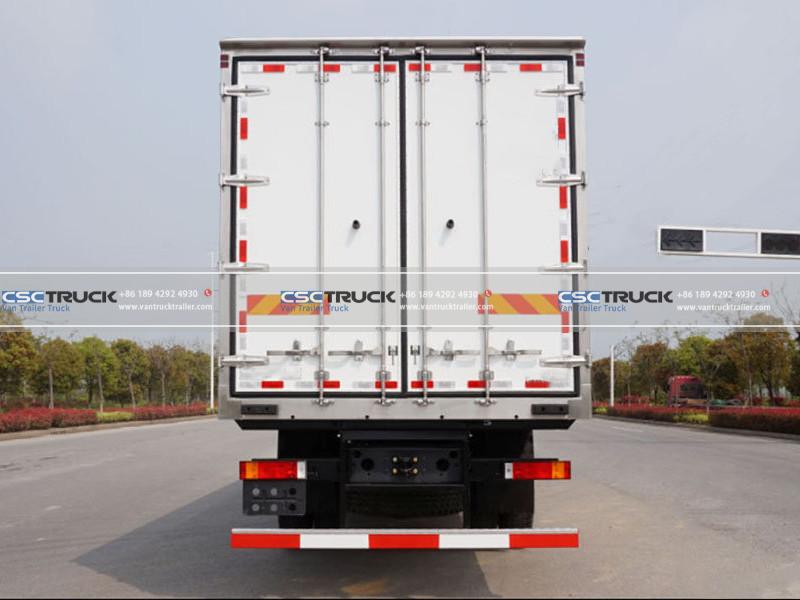
The Philippines’ agricultural sector has taken a quantum leap in supply chain efficiency with the strategic importation of a state-of-the-art refrigerated truck fleet, a transformative initiative spearheaded by CSCTRUCK Vantrucktrailer in partnership with a leading Filipino agribusiness consortium. This landmark investment addresses the archipelago nation’s longstanding post-harvest losses—estimated at 30-40% for perishable goods—while positioning Philippine-grown produce to meet stringent international export standards. The deployment of these temperature-controlled transport solutions marks a pivotal moment for the country’s $35 billion agriculture industry, enabling farmers to deliver fresher fruits, vegetables, and seafood to both domestic markets and high-value overseas buyers.
1. Cold Chain Modernization: Solving the Philippines’ Perishable Goods Crisis
The tropical climate of the Philippines presents unique challenges for agricultural logistics, where high temperatures and humidity accelerate spoilage of delicate produce like mangoes, bananas, and leafy greens. Traditional transport methods—including modified dry van trucks and open-air vehicles—have proven inadequate, resulting in annual losses exceeding ₱50 billion pesos ($900 million).
The new refrigerated truck fleet introduces German-engineered multi-zone cooling technology, maintaining precise temperatures from +12°C for pineapples to -25°C for frozen tuna. This system is complemented by:
- Ethylene scrubbers to slow fruit ripening during transit
- GPS-tracked temperature logs for export compliance documentation
- Hydraulic liftgates to minimize handling damage in remote farming areas
By ensuring an unbroken cold chain from farm to port, the fleet directly supports the Department of Agriculture’s “Plant, Plant, Plant” program aimed at achieving food security and export growth.
2. Engineering Excellence: Key Features of the New Refrigerated Fleet
Adaptive Climate Control Systems
- Dual-evaporator units independently regulate humidity (85-95% for greens vs. 60-70% for root crops)
- Quick-chill compartments rapidly lower field heat in newly harvested produce
Operational Innovations
- Lightweight composite panels reduce fuel consumption by 18% versus steel-body competitors
- Side-loading configurations optimized for narrow provincial roads in Luzon and Visayas
These technological advancements represent a generational improvement over conventional dry van trucks used previously, which lacked active temperature management, and dump trucks retrofitted with makeshift cooling units.
3. Economic Transformation: From Farm Losses to Export Gains
The refrigerated fleet is projected to generate threefold returns through:
Waste Reduction
Cutting post-harvest losses by 50% could preserve ₱25 billion ($450 million) worth of produce annually—equivalent to 1.5 million tons of additional marketable goods.
Export Market Expansion
With EUDR and FDA-compliant transport documentation, Philippine growers can now target premium markets:
- Japan’s ¥100 billion fresh fruit import market
- Middle Eastern demand for halal-certified frozen vegetables
- Chinese e-commerce platforms seeking tropical fruits
Farmer Income Growth
A University of the Philippines study estimates the fleet will increase smallholder profits by 22-35% through better price realization and reduced rejection rates at wholesale markets.
4. CSCTRUCK Vantrucktrailer’s Localized Partnership Model
The success of this initiative stems from CSCTRUCK Vantrucktrailer’s deep customization for Philippine conditions:
Archipelago-Ready Design
- Saltwater-resistant chassis for inter-island roll-on/roll-off ferry transport
- Typhoon-proof telematics with satellite backup for disaster response
Community-Centric Implementation
- Training 500+ local technicians in refrigeration system maintenance
- Establishing 15 rural charging stations for future electric truck adoption
This “technology transfer” approach ensures long-term sustainability beyond the initial ₱3.5 billion ($63 million) investment.
5. The Road Ahead: Positioning the Philippines as Asia’s Cold Chain Leader
With the first 150-unit fleet now operational, plans are advancing for:
- Solar-powered refrigeration trials in Mindanao’s off-grid areas
- Blockchain-integrated traceability systems for Japan-bound premium fruits
- Multi-purpose cold storage hubs at major ports like Batangas and Cebu
While dry van trucks continue serving non-perishable commodities like rice and dump trucks remain essential for construction, this refrigerated fleet establishes a new gold standard for Philippine agricultural logistics. Discover how CSCTRUCK Vantrucktrailer is redefining ASEAN supply chains at vantrucktrailer.com.
This strategic upgrade not only empowers Filipino farmers but also repositions the nation as a reliable supplier in the global farm-to-fork economy—where quality and freshness command premium value.