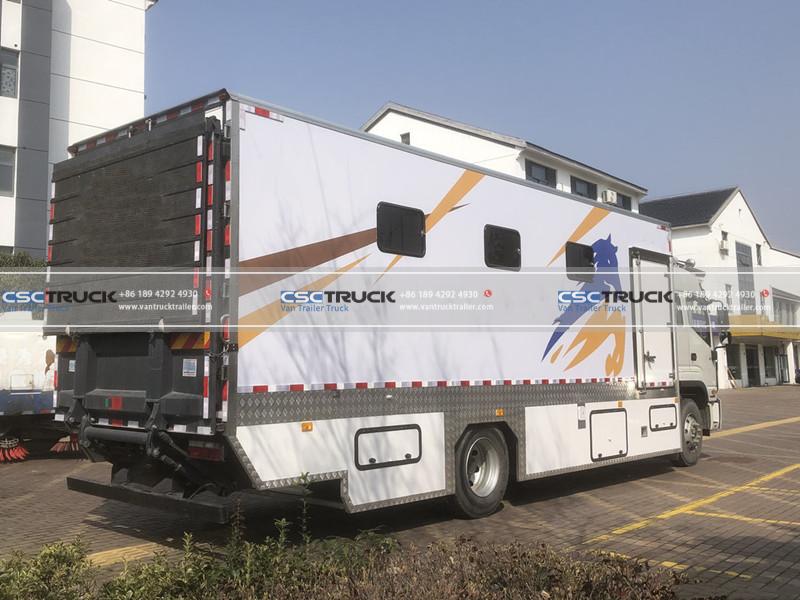
The Iraqi meat industry has achieved a transformative milestone with the deployment of a cutting-edge livestock truck fleet, a strategic initiative developed through collaboration between CSCTRUCK Vantrucktrailer and a leading Iraqi agribusiness conglomerate. This investment directly addresses chronic challenges in animal transport—where outdated methods have led to 15-20% livestock losses during transit—while significantly enhancing the reliability and quality of meat products reaching markets across Baghdad, Basra, and Erbil. Designed to withstand Iraq’s extreme climate and rugged terrain, these specialized vehicles incorporate welfare-focused engineering that not only reduces stress and injury for animals but also improves meat quality and shelf life, creating a ripple effect that benefits farmers, distributors, and consumers nationwide.
1. Addressing Iraq’s Livestock Transport Crisis
For decades, Iraq’s US$4.2 billion meat industry has been hampered by inefficient animal transport systems, relying primarily on repurposed dry van trucks and open-bed vehicles ill-suited for live cargo. These makeshift solutions have resulted in:
- Heat stress fatalities during summer months when temperatures exceed 50°C (122°F)
- Injury rates of 12% from inadequate partitioning and non-slip surfaces
- Cross-contamination risks due to poor ventilation and sanitation
The new livestock-specific fleet introduces a paradigm shift with climate-controlled cabins, AI-driven health monitoring, and modular stall designs that adjust for sheep, cattle, and goats. Early trials show a 40% reduction in transit mortality, ensuring more animals arrive at processing facilities in optimal condition—a critical factor for halal certification compliance and export market expansion.
2. Engineering Breakthroughs in Animal Welfare and Efficiency
Climate Adaptation Features
- Hydraulic roof vents automatically adjust airflow based on external temperatures
- Misting systems activate during extreme heat to prevent dehydration
- Insulated flooring with heating elements for winter transport in northern regions
Operational Innovations
- RFID ear tag scanners enable real-time tracking of individual animals’ health metrics
- Quick-clean stainless steel interiors meet international hygiene standards (OIE compliant)
- Load-sensitive suspension minimizes vibration stress on delicate livestock
These advancements far surpass the capabilities of standard dry van trucks used previously, which lacked proper ventilation, or dump trucks retrofitted with wooden cages. The fleet’s 12% fuel efficiency gain through aerodynamic designs also reduces operational costs—a key consideration given Iraq’s fluctuating fuel prices.
3. Strengthening Iraq’s Food Security and Economic Resilience
The partnership between CSCTRUCK Vantrucktrailer and Iraq’s agribusiness leader extends beyond hardware delivery, embedding long-term value through:
Supply Chain Optimization
- Dynamic routing software avoids conflict-prone areas and checkpoints
- Mobile slaughterhouse integration reduces pre-processing transport times
Skills Development
- Training programs for 300+ Iraqi drivers in low-stress animal handling techniques
- Certification workshops on preventive maintenance for desert operating conditions
Market Expansion
With reliable transport now ensuring higher meat quality, Iraqi producers can target premium markets in the GCC, where demand for halal-certified lamb grows at 8% annually. The fleet’s traceability systems also meet EU import requirements, opening future export opportunities.
While dry van trucks remain essential for feed and equipment transport, and dump trucks continue serving Iraq’s construction boom, this livestock-specific investment lays the foundation for a modernized, ethical meat ecosystem. Explore CSCTRUCK Vantrucktrailer’s full range of agricultural transport solutions at vantrucktrailer.com.
This initiative not only elevates Iraq’s domestic food security but positions its livestock sector as a model for sustainable animal husbandry in challenging environments—where innovation bridges the gap between tradition and progress.