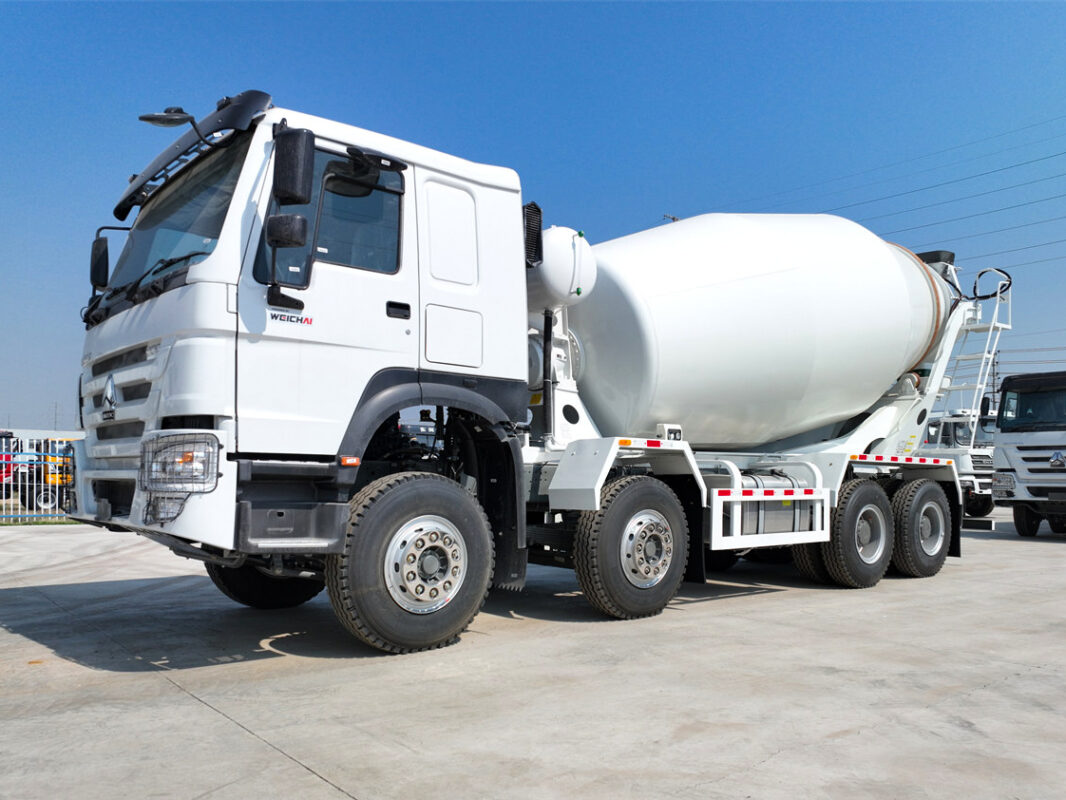
Purchasing a concrete mixer truck is a significant investment for construction companies, ready-mix concrete suppliers, and contractors. Choosing the wrong configuration can lead to reduced payload, higher operating costs, increased maintenance, and lower productivity on the job site.
While price is always an important consideration, it should never be the only factor. The right mixer truck must match your production capacity, road conditions, local regulations, and daily operating requirements.
To help you make an informed decision, we’ve compiled this practical 10-point buyer’s checklist. Reviewing these key factors before placing your order will help ensure you select a mixer truck that delivers reliable performance and long-term value.
1. Choose the Right Drum Capacity
The first question to ask is:
How much concrete do you need to transport per trip?
Mixer trucks are commonly available in capacities ranging from 3 m³ to 16 m³. Selecting the right drum size depends on your batching plant output, project scale, transport distance, and local road regulations.
A larger drum increases productivity but also requires a larger chassis and may be subject to stricter weight limits. Oversizing can increase fuel consumption and operating costs, while undersizing may require additional trips.
2. Select the Appropriate Chassis Configuration
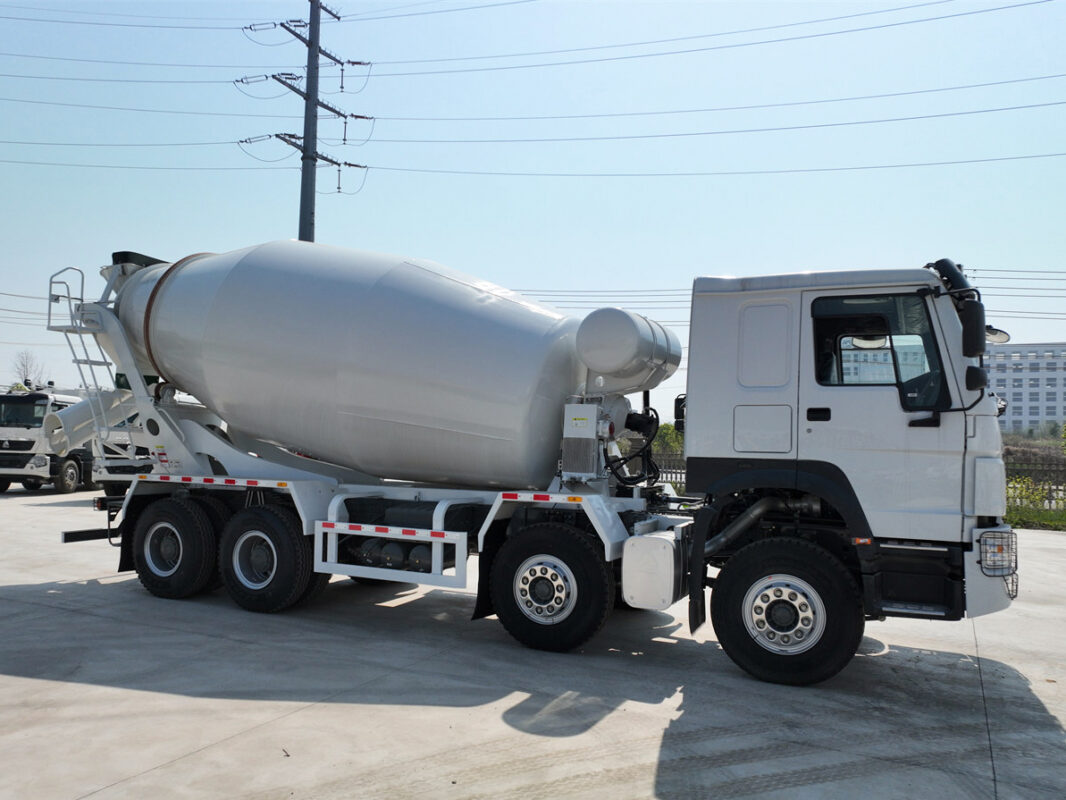
The chassis determines the truck’s payload, stability, and driving performance.
Common options include:
- 4×2 – Small urban projects and short-distance delivery.
- 6×4 – The most popular choice for 8–12 m³ mixer trucks.
- 8×4 – Ideal for large-capacity mixers and heavy-duty applications.
Also consider:
- Engine power
- Wheelbase
- Axle load limits
- Local road regulations
The right chassis improves both productivity and vehicle longevity.
3. Verify the Drum Material
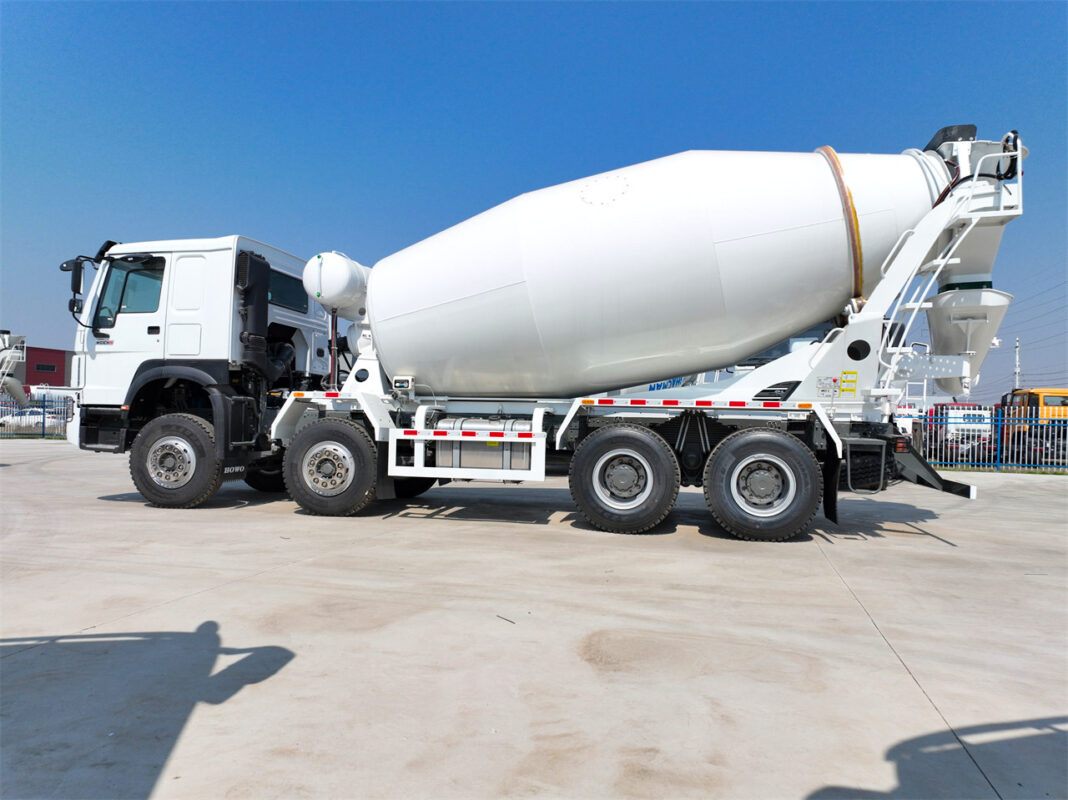
The mixing drum operates under constant abrasion from sand, gravel, and cement.
High-quality wear-resistant steel provides:
- Longer service life
- Better resistance to abrasion
- Lower maintenance costs
- Improved residual value
Although standard carbon steel may reduce the initial purchase price, wear-resistant materials generally offer better long-term value.
4. Check the Hydraulic System Brand
The hydraulic system powers drum rotation and directly affects mixing performance.
Before ordering, verify:
- Hydraulic pump brand
- Hydraulic motor brand
- Reducer manufacturer
- Availability of spare parts
Well-known hydraulic components typically provide greater reliability, smoother operation, and easier maintenance.
5. Choose the Right Drum Drive System
Concrete mixer trucks generally use one of two drive systems:
PTO (Power Take-Off)
- Lower purchase cost
- Mature and widely used
- Easy maintenance
Independent Hydraulic Drive
- Stable drum speed
- Better fuel efficiency
- Reduced engine load
- Improved mixing consistency
Choose the system that best matches your operating conditions and budget.
6. Confirm Discharge Height and Speed
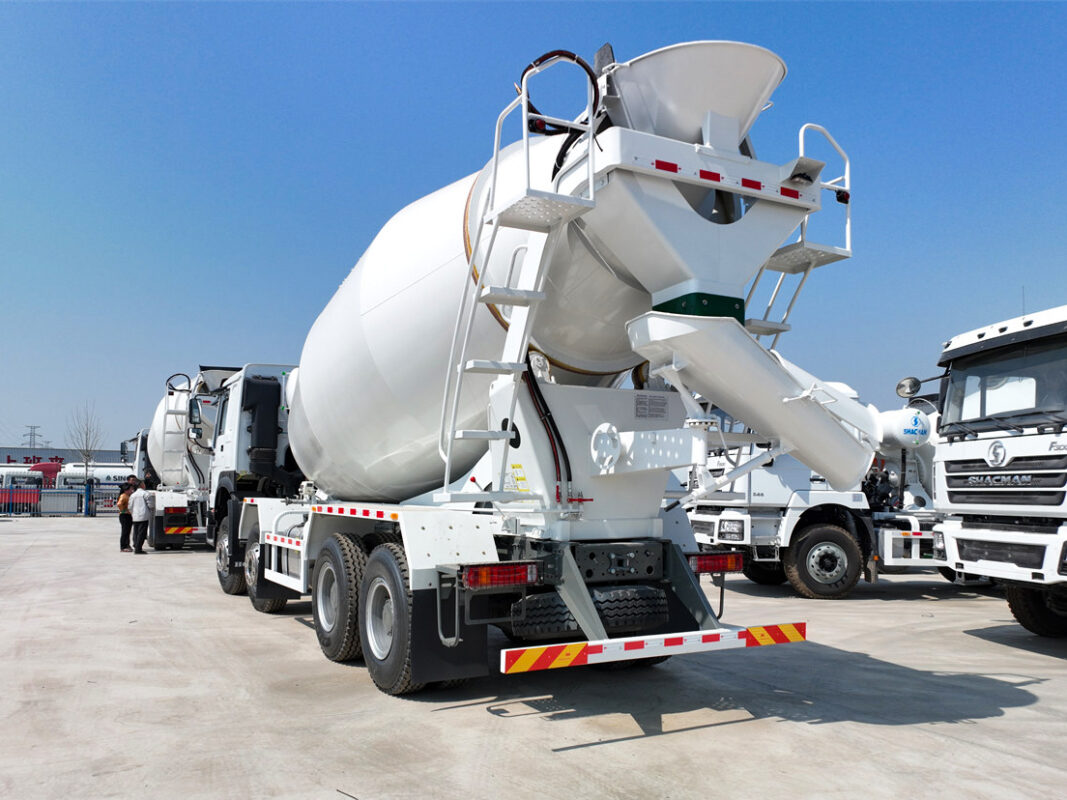
A mixer truck must be compatible with your concrete pump or construction equipment.
Before purchasing, confirm:
- Maximum discharge height
- Adjustable chute length
- Drum rotation speed
- Concrete discharge speed
Proper matching improves pouring efficiency and reduces material waste.
7. Evaluate the Water Supply System
An integrated water system is essential for cleaning the drum and adjusting concrete consistency when permitted.
Check whether the truck includes:
- Water tank capacity
- Water pump
- Flow control
- Accurate water metering
A reliable water system simplifies maintenance and improves operational efficiency.
8. Pay Attention to Vehicle Weight
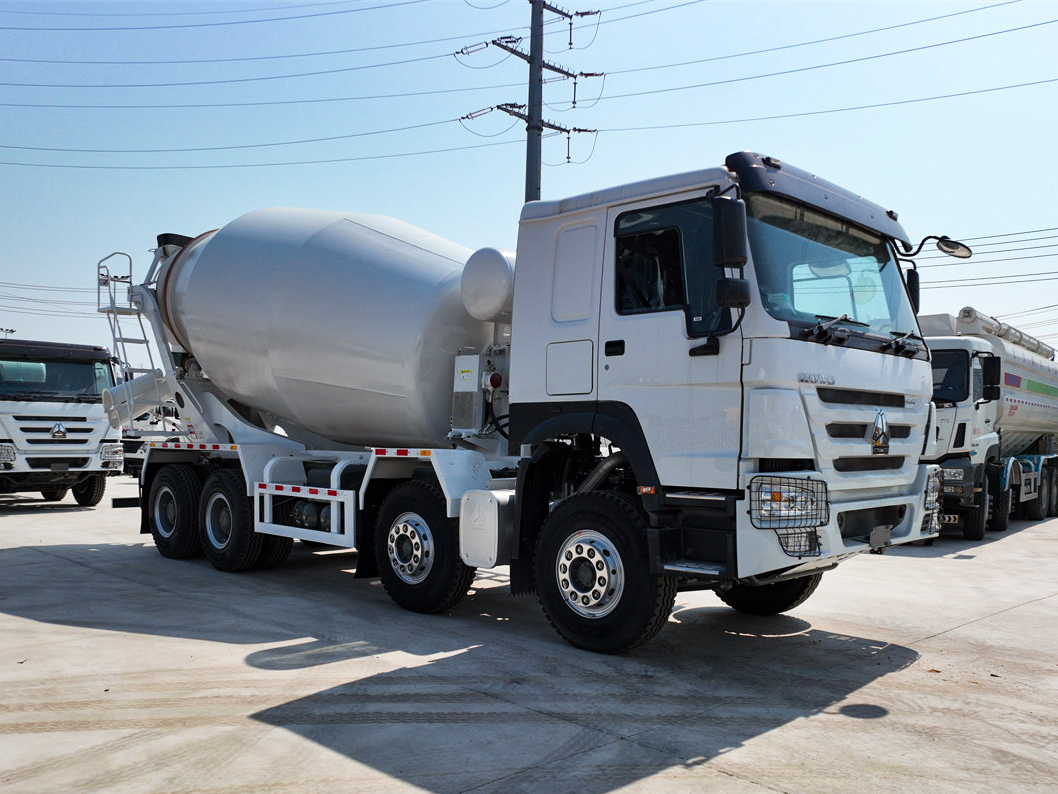
A lighter mixer truck can legally carry more concrete while reducing fuel consumption and tire wear.
When comparing different models, look beyond drum capacity and compare:
- Curb weight
- Payload
- Chassis weight
- Overall vehicle weight
Reducing unnecessary vehicle weight can improve profitability without sacrificing strength.
9. Verify Emission Compliance
Different countries have different emission standards.
Before ordering, ensure the engine complies with local regulations.
Choosing the correct emission standard avoids registration issues and ensures long-term compliance.
10. Consider After-Sales Support and Spare Parts
Even the most reliable mixer truck requires routine maintenance.
Before making a purchase, ask:
- Are spare parts readily available?
- Is technical support provided?
- What warranty is included?
- Are hydraulic components easy to replace?
Strong after-sales service minimizes downtime and protects your investment.
Final Buyer’s Checklist
Before placing your order, confirm the following:
✔ Required drum capacity
✔ Chassis configuration (4×2, 6×4, or 8×4)
✔ Drum material (wear-resistant steel preferred)
✔ Hydraulic system brand
✔ Drum drive system (PTO or independent drive)
✔ Discharge height and speed
✔ Water supply system
✔ Vehicle curb weight and payload
✔ Engine emission standard
✔ Warranty, spare parts, and after-sales support
Conclusion
Choosing the right concrete mixer truck is about much more than selecting the largest drum or the lowest price. Drum capacity, chassis configuration, hydraulic components, drive system, vehicle weight, and regulatory compliance all have a direct impact on productivity, operating costs, and long-term reliability.
By carefully reviewing these ten key factors before placing your order, you can avoid costly mistakes and invest in a mixer truck that meets your current needs while supporting future business growth.
Looking for a Customized Concrete Mixer Truck? Contact CSCTRUCK to discuss your application. Our experienced team will help you select the ideal concrete mixer truck to maximize productivity, reliability, and return on investment.