
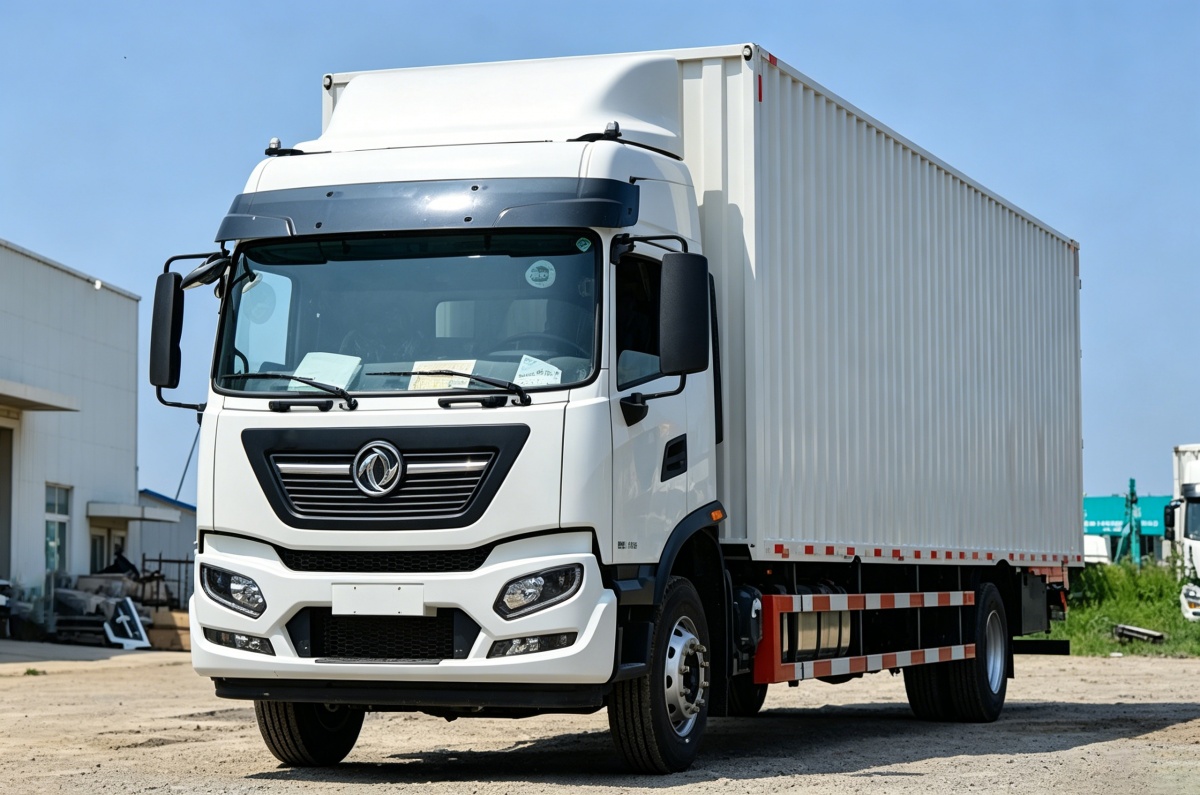
Global trade depends on a complex logistics network, but one vehicle remains at the center of it all—the cargo truck. Whether transporting manufactured goods from factories to distribution centers or delivering export cargo to seaports, cargo trucks provide the essential first and last links in the supply chain.
In 2026, international trade continues to recover and expand, driven by e-commerce, manufacturing growth, and infrastructure investment. While ships, trains, and aircraft move goods over long distances, cargo trucks ensure products reach the right place at the right time. Without them, global supply chains would simply stop.
The First Link in Every Supply Chain
Every product begins its journey somewhere—a factory, warehouse, farm, or industrial facility. Before goods can be shipped overseas or delivered to retailers, they must first be transported by road.
Cargo trucks handle this critical first-mile transportation by moving:
- Consumer goods
- Industrial equipment
- Electronics
- Building materials
- Food and beverages
- Agricultural products
- Chemicals and packaged goods
Their flexibility allows manufacturers to transport products directly from production lines to logistics hubs with minimal delay.
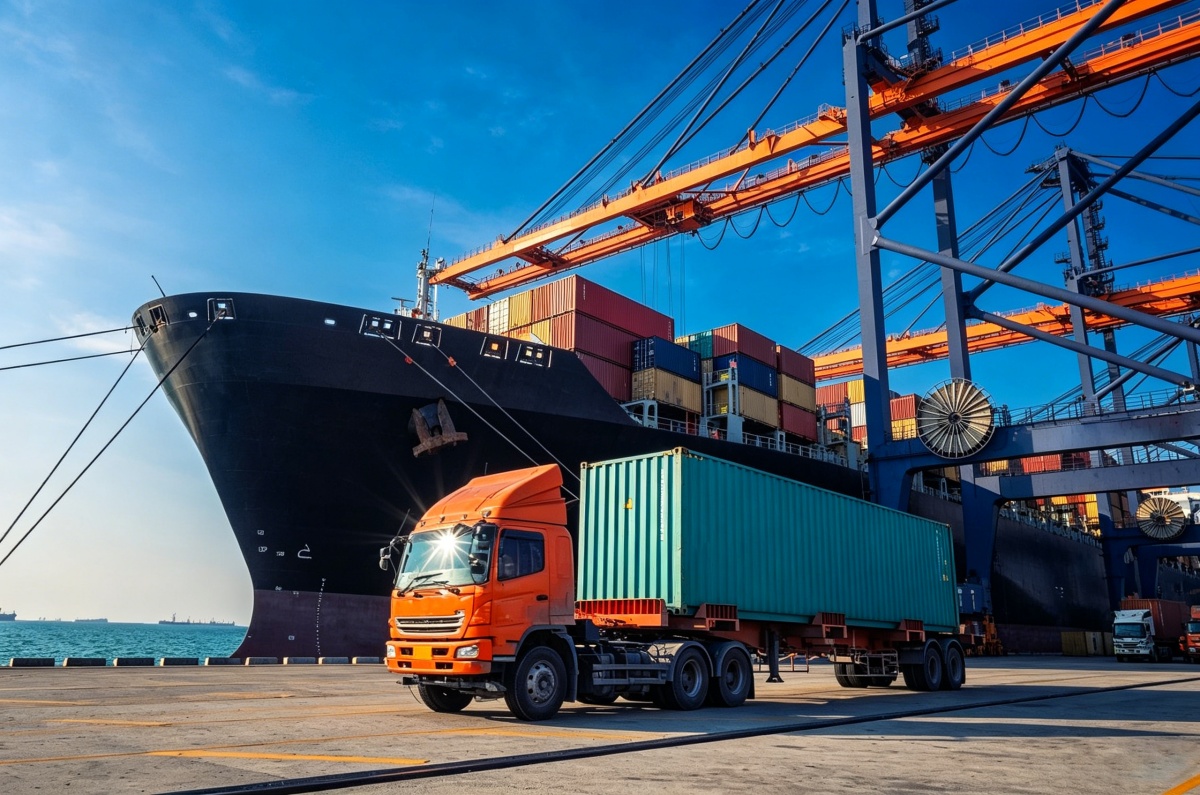
Connecting Factories with Ports
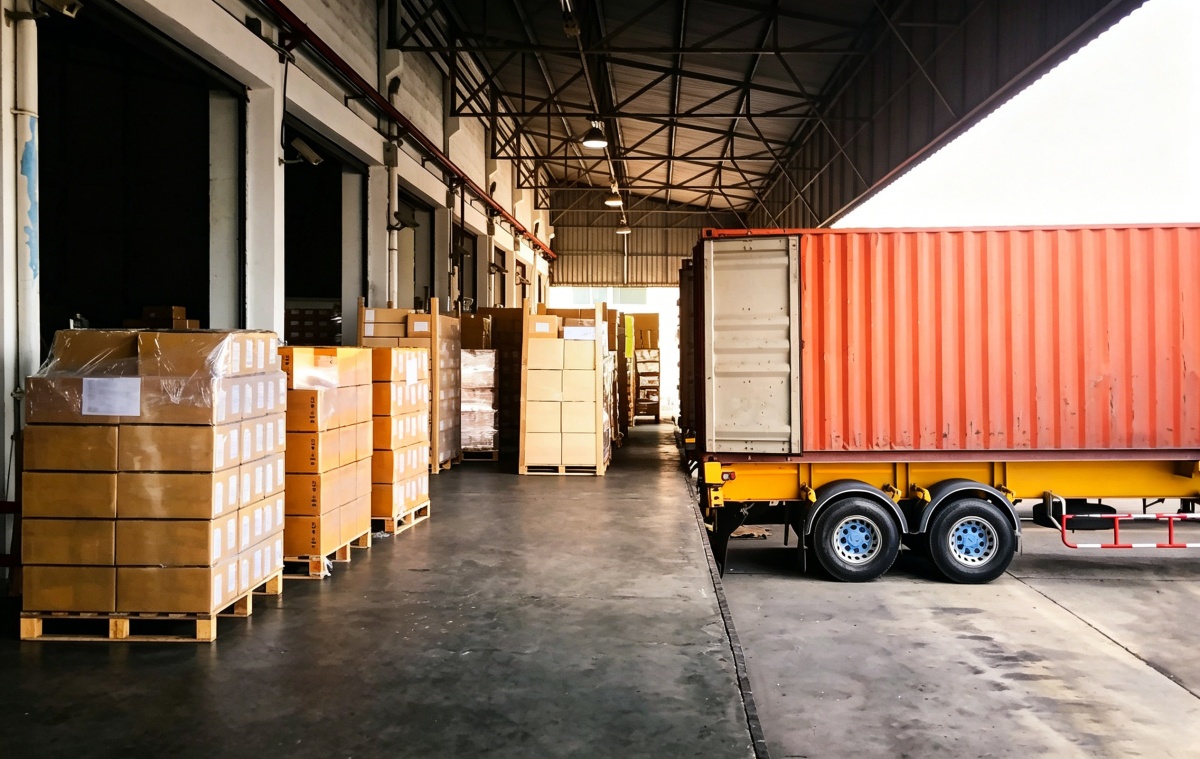
One of the most important roles of cargo trucks is connecting inland manufacturing centers with international ports.
A typical export workflow looks like this:
- Products are manufactured and packaged.
- Goods are loaded onto cargo trucks.
- Trucks transport the cargo to freight terminals or container yards.
- Containers are transferred to ships for international transport.
- At the destination country, cargo trucks once again deliver goods to warehouses, distributors, or retailers.
This seamless road-to-port connection enables efficient international trade and supports industries across the globe.
Supporting Multiple Industries
Cargo trucks serve nearly every sector of the economy.
Common applications include:
- Manufacturing logistics
- Construction material delivery
- Retail distribution
- Agricultural transportation
- Mining support
- Industrial equipment transport
- Cross-border freight
- Port logistics
Because they can operate on both highways and local roads, cargo trucks provide unmatched transportation flexibility.
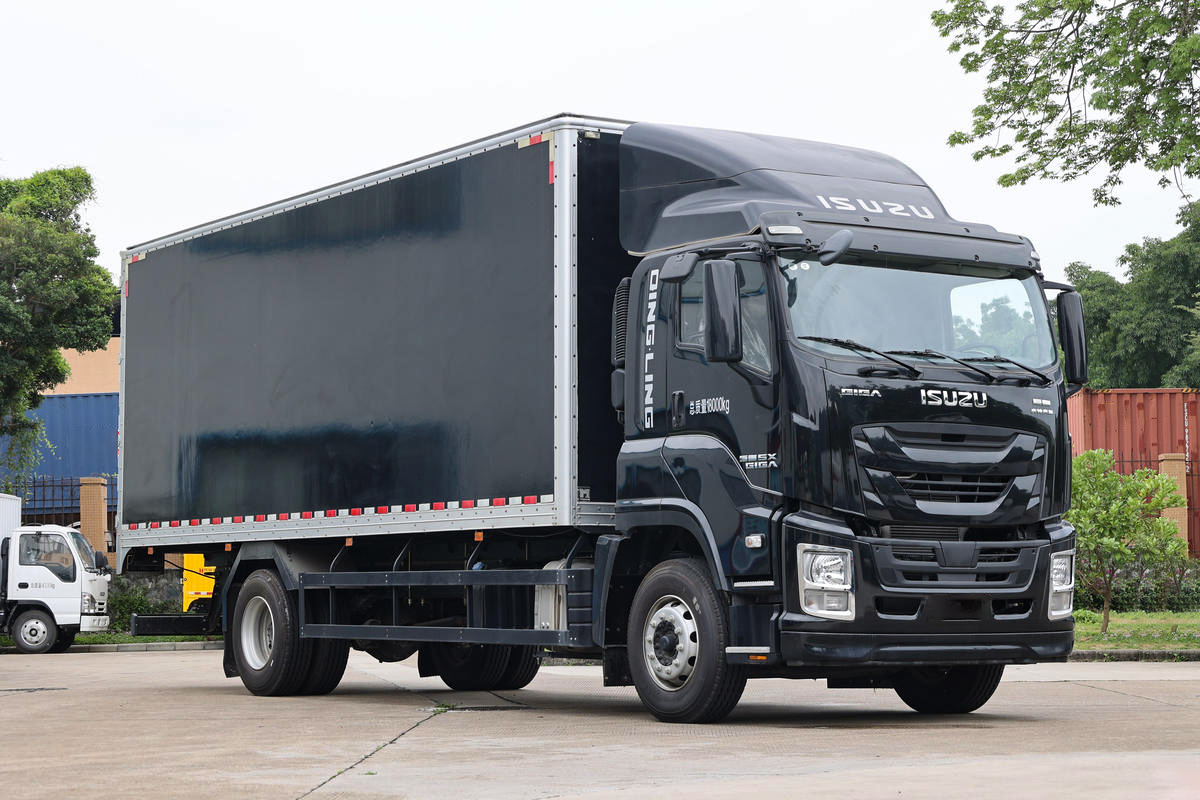
Built for Long-Distance Transportation
Modern cargo trucks are designed to travel long distances while carrying heavy payloads safely and efficiently.
Typical features include:
- High-performance diesel engines
- Reinforced chassis
- Large-capacity cargo bodies
- Multi-speed manual or automated transmissions
- Heavy-duty suspension systems
- Air braking systems
- Fuel-efficient drivetrains
These features enable reliable operation across highways, industrial parks, and regional freight corridors.
Improving Logistics Efficiency
For logistics companies, efficiency is everything.
Modern cargo trucks help reduce operating costs through:
- Higher payload capacity
- Better fuel economy
- Faster loading and unloading
- Reduced maintenance requirements
- Improved vehicle reliability
- Longer service intervals
Fleet operators also benefit from advanced telematics, GPS tracking, and fleet management systems that optimize routes and reduce idle time.
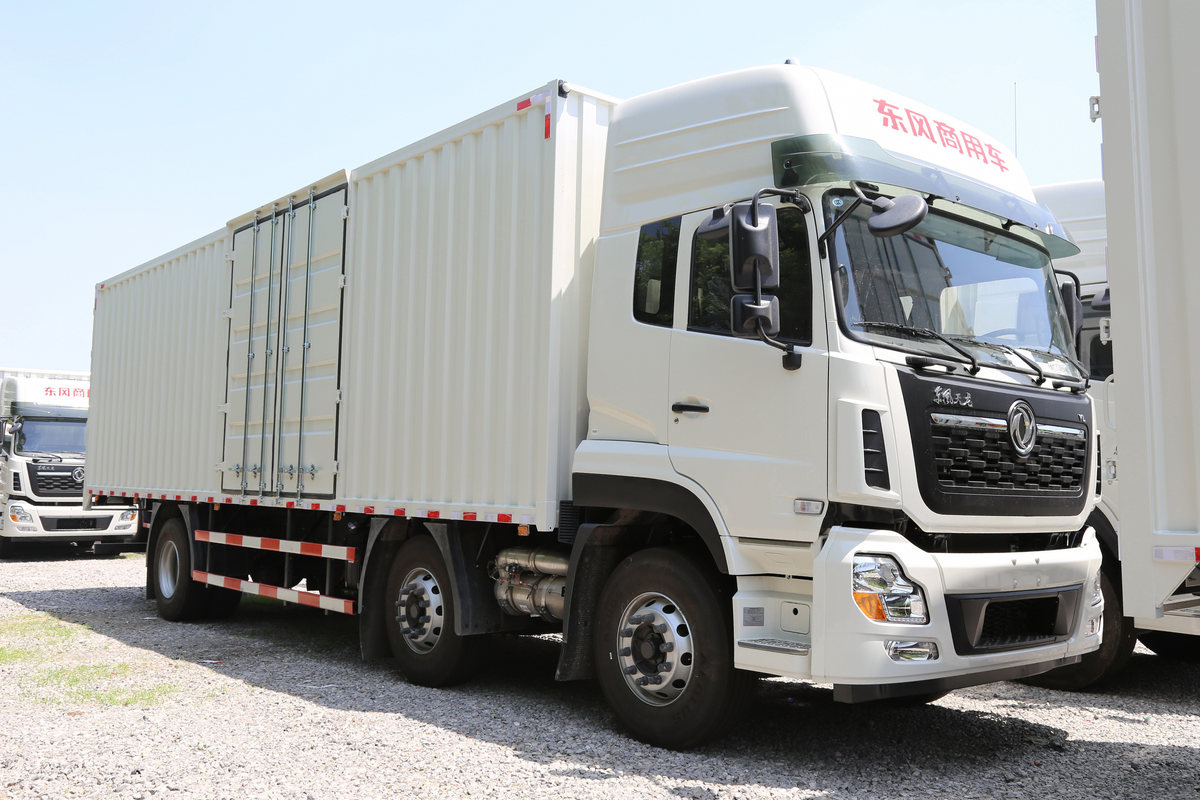
Supporting Sustainable Transportation
The trucking industry continues to adopt technologies that improve environmental performance while maintaining productivity.
Many modern cargo trucks now feature:
- Low-emission diesel engines
- Improved fuel injection systems
- Lightweight chassis materials
- Aerodynamic cab designs
- Smart engine management
- Idle reduction technologies
These innovations help lower fuel consumption and reduce emissions without compromising transport capacity.
Why Cargo Trucks Remain Irreplaceable
Despite advances in rail, shipping, and air freight, cargo trucks remain the most flexible transportation solution.
They offer several unique advantages:
- Door-to-door delivery
- Flexible routing
- Fast response times
- Access to remote locations
- Compatibility with all logistics networks
- Lower handling requirements
Almost every imported or exported product spends part of its journey on a cargo truck.
Choosing the Right Cargo Truck
Selecting the appropriate cargo truck depends on several factors, including:
- Payload requirements
- Cargo dimensions
- Road conditions
- Transport distance
- Fuel efficiency
- Local regulations
- Maintenance support
A properly matched truck improves operational efficiency while reducing long-term ownership costs.
Conclusion
In 2026, cargo trucks continue to serve as the backbone of global trade, connecting factories, warehouses, logistics centers, and ports through reliable road transportation. Their flexibility, efficiency, and versatility make them indispensable for moving goods across industries and international markets.
As supply chains become more connected and customer expectations continue to rise, modern cargo trucks will remain essential for ensuring products move quickly, safely, and efficiently—from the factory floor to the port, and ultimately to customers around the world.