The Evolution of Mobile Workshops in Modern Industry
In an increasingly time-sensitive and efficiency-driven industrial landscape, the concept of centralized repair facilities is gradually giving way to more agile, decentralized service models. Among these innovations, the mobile workshop has emerged as a transformative solution for on-site repair, maintenance, and technical support across industries such as construction, mining, utilities, transportation, and agriculture. Rather than transporting malfunctioning equipment back to a distant service center—often incurring costly downtime and logistical complexity—businesses are now investing in purpose-built mobile workshop vehicles that bring professional-grade repair capabilities directly to the point of need.
From a commercial vehicle perspective, a mobile workshop is far more than a modified service van. It is a strategically engineered platform that integrates storage systems, workbenches, power supply units, compressed air systems, diagnostic tools, and safety equipment into a single, mobile operational hub. Whether constructed on a reinforced cargo truck chassis for heavy-duty applications or built within a customized box truck configuration for urban technical service teams, the mobile workshop represents a deliberate shift toward operational resilience and responsiveness.
For business owners and fleet managers, this evolution is not merely about convenience; it is about maximizing uptime, protecting revenue streams, and improving customer satisfaction. Equipment downtime translates directly into lost productivity, missed deadlines, and potential contract penalties. By enabling technicians to perform repairs and preventive maintenance on-site, mobile workshops significantly reduce interruption periods and create measurable financial advantages.
Engineering the Mobile Workshop Platform
The effectiveness of a mobile workshop begins with the correct selection of vehicle platform and structural configuration. Every industry presents unique service demands, and the mobile unit must be engineered accordingly.
Chassis Selection and Load Capacity
The choice between a medium-duty and heavy-duty platform depends largely on the type of tools, parts, and equipment to be carried. Industries such as mining or heavy construction may require a reinforced cargo truck chassis capable of supporting generators, welding machines, hydraulic tools, and spare components with significant weight. In contrast, utility maintenance or telecommunications service operations may function efficiently on lighter-duty configurations.
Durability and suspension strength are essential, particularly when the vehicle will operate in off-road environments or remote job sites. Ground clearance, axle configuration, and drivetrain performance should be evaluated in the context of expected terrain conditions.
Body Configuration: The Advantage of Enclosed Structures
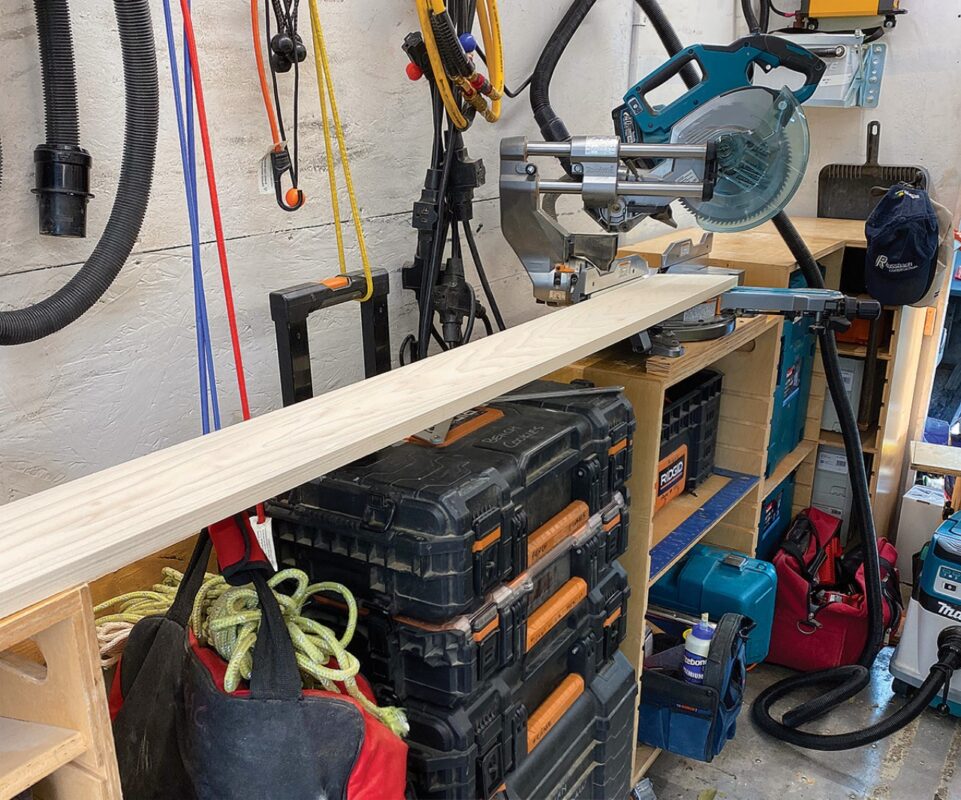
Many mobile workshops are constructed within a modified box truck body due to its rectangular interior layout, which allows efficient installation of cabinets, tool racks, and workstations. The enclosed structure offers protection from weather conditions and provides a secure environment for sensitive diagnostic equipment.
Custom interior layouts often include modular shelving systems, sliding drawers, lockable compartments, and reinforced flooring. Proper weight distribution within the body ensures vehicle stability and safety during transport.
In high-demand applications, slide-out sections or lift-up side panels may be incorporated to expand the workspace once the vehicle is parked. These features enhance technician comfort and workflow efficiency while maintaining a compact footprint during travel.
Operational Advantages of On-Site Repair Capabilities
The core value proposition of mobile workshops lies in their ability to deliver comprehensive repair and maintenance services directly at the job site.
Reducing Equipment Downtime
In industries where equipment utilization directly correlates with revenue generation, downtime can quickly erode profit margins. Transporting machinery to a central workshop often involves logistical coordination, loading equipment onto trailers, and waiting in service queues.
By contrast, a mobile workshop enables technicians to address mechanical failures, electrical issues, or routine maintenance tasks immediately. This rapid response capability significantly reduces operational disruption and allows projects to remain on schedule.
For example, in construction operations where multiple heavy machines operate simultaneously, a mobile workshop stationed on-site ensures that minor breakdowns do not escalate into prolonged delays. The ability to conduct preventive inspections and minor repairs on location further extends equipment lifespan.
Enhancing Service Reach and Customer Satisfaction
Service-based businesses, including fleet maintenance providers and industrial equipment suppliers, can use mobile workshops to extend their geographic reach. Instead of requiring clients to bring vehicles or machinery to a fixed location, service teams travel directly to the customer.
This model strengthens client relationships and creates competitive differentiation. In many cases, faster response times and personalized on-site support translate into higher customer retention rates and expanded service contracts.
Power Systems, Tools, and Technical Integration
To function as fully operational repair facilities, mobile workshops must integrate reliable power systems and specialized equipment.
Onboard Power Generation
Most mobile workshops incorporate generators or inverter systems to supply electricity for tools, lighting, and diagnostic devices. Depending on operational needs, these systems may support welding equipment, air compressors, hydraulic presses, and computerized diagnostic units.
Energy efficiency is a critical consideration. Advanced generator systems with automatic load management reduce fuel consumption and extend service intervals. In some configurations, hybrid power solutions incorporating battery storage enhance sustainability and reduce noise levels in urban environments.
Tool Storage and Safety Systems
Efficient tool organization directly impacts technician productivity. Customized storage solutions with clearly labeled compartments allow quick access to frequently used tools and spare parts. Secure locking mechanisms protect valuable equipment during transit.
Safety features, including fire suppression systems, emergency lighting, and first aid kits, are essential components of responsible mobile workshop design. Compliance with occupational safety regulations must be integrated into the build process from the outset.
Financial and Strategic Considerations for Business Owners
While the operational advantages of mobile workshops are evident, business owners must conduct thorough financial analysis before investing in these specialized vehicles.
Cost Structure and Return on Investment
Acquisition costs vary depending on chassis selection, interior customization, and installed equipment. However, when compared to the potential revenue losses associated with equipment downtime, mobile workshops often deliver strong returns on investment.
Savings arise from reduced towing expenses, minimized idle labor hours, and improved project continuity. Additionally, mobile service capabilities can create new revenue streams through preventive maintenance contracts and emergency repair services.
Scalability and Fleet Integration
For larger organizations, integrating mobile workshops into existing fleets requires careful planning. Coordination with logistics vehicles—such as a cargo truck transporting additional parts or tools—can enhance operational efficiency during extended field deployments.
Standardizing vehicle platforms simplifies maintenance and parts procurement. It also facilitates technician training and operational consistency across multiple units.
Future-Proofing Through Technology
As industries continue to adopt advanced machinery with integrated digital systems, mobile workshops must evolve to support sophisticated diagnostics and software updates. Investing in adaptable interior layouts and modular equipment installations ensures long-term viability.
Businesses should also consider environmental regulations and emissions standards when selecting vehicle platforms. Choosing fuel-efficient engines and sustainable power solutions positions the organization for regulatory compliance and corporate responsibility objectives.
Positioning Mobile Workshops for Long-Term Operational Success
The emergence of mobile workshops reflects a broader transformation in how industries approach maintenance, repair, and service delivery. By bringing fully equipped repair capabilities directly to operational sites, businesses can enhance responsiveness, reduce downtime, and strengthen client relationships. From chassis durability and interior customization to power integration and technician workflow optimization, every design element contributes to the overall effectiveness of the mobile unit.
For business owners seeking to remain competitive in demanding markets, investing in strategically engineered mobile workshops is not simply a logistical upgrade—it is a forward-looking decision that aligns operational efficiency with customer expectations and financial performance. As organizations evaluate specialized commercial vehicle solutions and explore customized platforms for field service applications, resources available through vantrucktrailer.com provide valuable guidance in selecting the right mobile workshop configurations for sustainable growth and long-term success.