
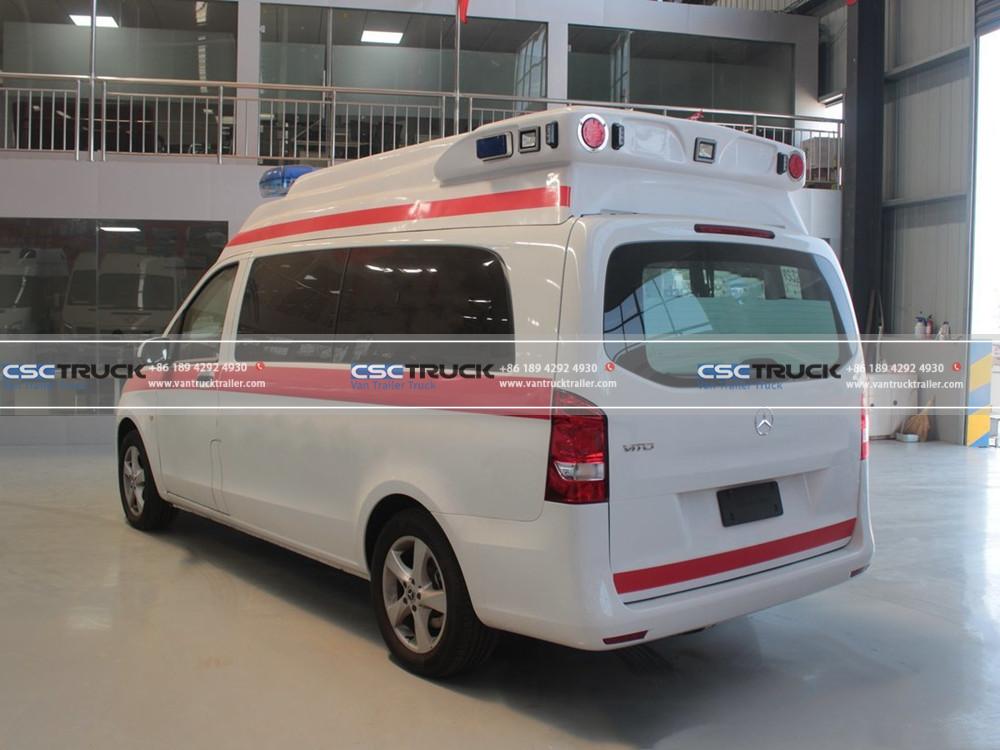
Revolutionizing Emergency Visibility Traditional rotating beacons and halogen floodlights fail catastrophically in modern response scenarios – dense urban canyons, blinding blizzards, and complex multi-vehicle pileups demand photonic precision. The latest integrated optical systems deploy wavelength-engineered lighting that penetrates fog 83% deeper than legacy systems while eliminating dangerous stroboscopic effects that trigger epileptic episodes in 1:4,000 bystanders. Munich […]
Category Archives: Van Truck Trailer Knowledge
23
Sep
Sep
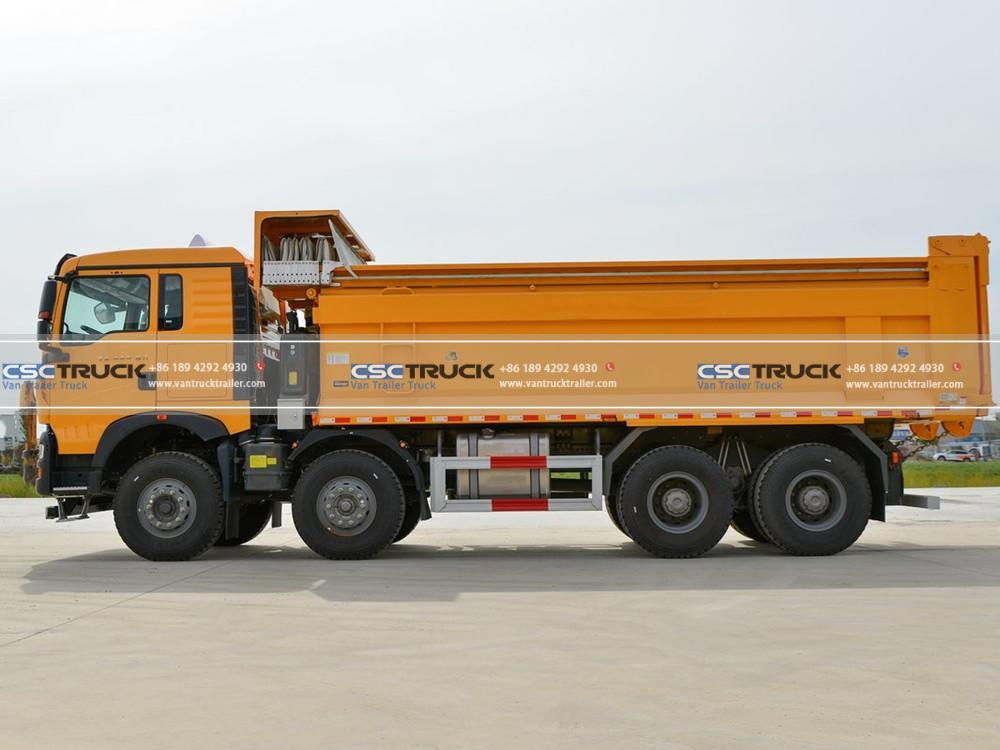
The Economic Calculus Transforming Fleet Economics The migration toward electric dump trucks stems from irrefutable financial advantages that overcome higher upfront costs through radical operational savings; Komatsu’s HD-325 analysis reveals 70% lower energy expenses compared to diesel equivalents – translating to $200,000 annual savings per vehicle in high-utilization mining operations where fuel constitutes 40% of operating costs. […]
23
Sep
Sep
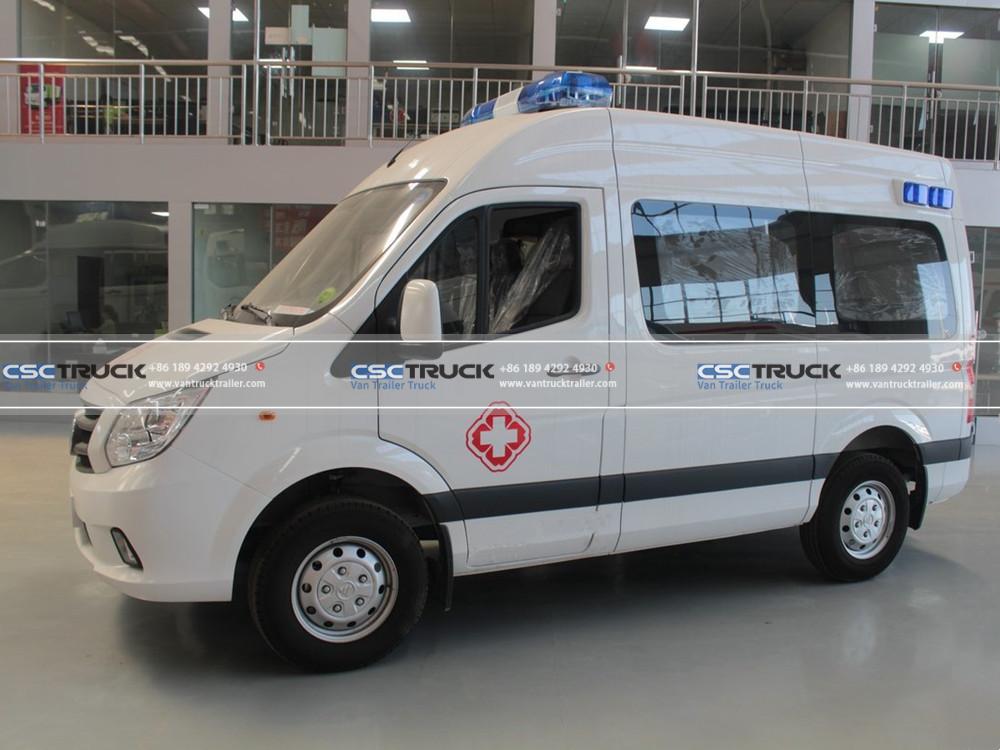
Redefining Emergency Response Flexibility Traditional ambulance interiors lock agencies into static configurations that struggle to adapt to evolving medical demands, forcing operators to choose between over-equipped general units or under-resourced specialty vehicles. Modular interior systems dismantle this compromise through interchangeable equipment bays, sliding wall tracks, and standardized mounting interfaces that enable complete cabin reconfiguration in under 90 minutes […]

21
Sep
Sep
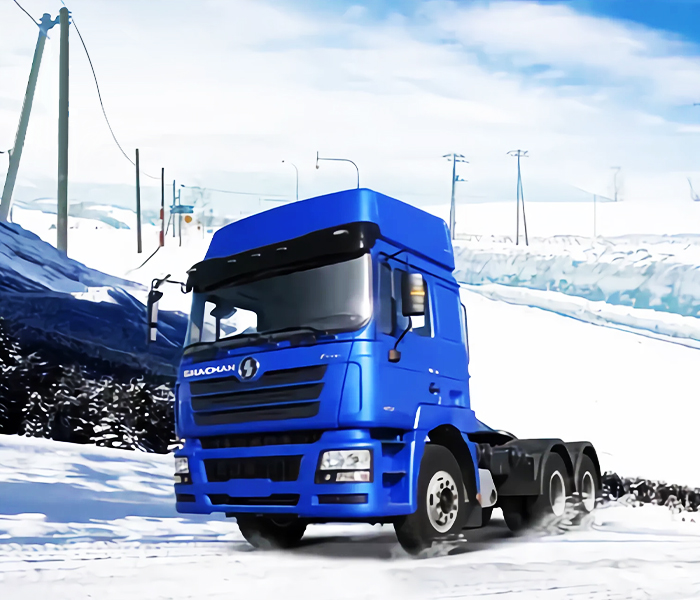
Beyond Fatigue Management: The Holistic Driver Wellness Imperative The traditional view of truck cab ergonomics as merely reducing back pain represents a dangerous oversimplification; contemporary research reveals that optimized driver environments function as integrated biomechanical preservation systems. Studies by the National Institute for Occupational Safety and Health (NIOSH) demonstrate that drivers exposed to sub-50th percentile ergonomic cabins exhibit […]
21
Sep
Sep
GVWR Demystified: Beyond Basic Definitions Gross Vehicle Weight Rating (GVWR) represents the absolute maximum permissible total weight of a fully loaded vehicle – including its chassis, body, fluids, passengers, fuel, and cargo – as certified by the manufacturer through rigorous engineering analysis and testing protocols. This figure, permanently displayed on the vehicle’s safety compliance certification label […]
17
Sep
Sep
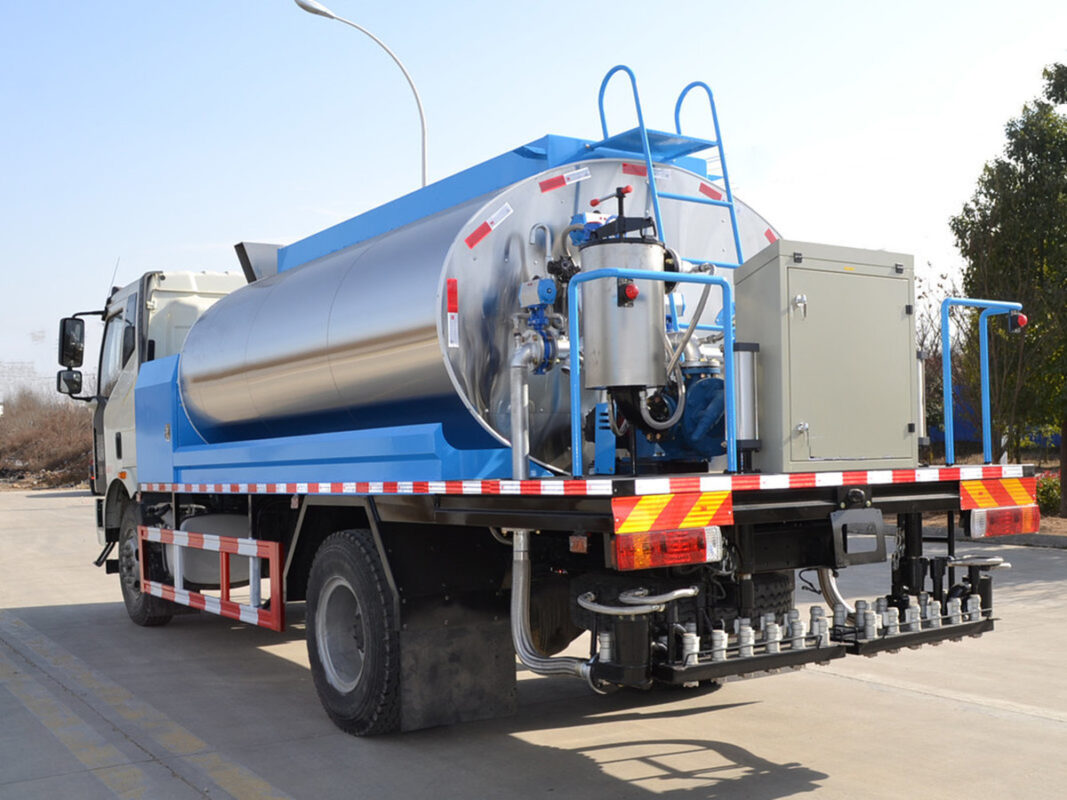
Maintaining optimal asphalt temperature between 135°C and 163°C isn’t merely an operational preference – it’s the fundamental determinant of pavement density, durability, and service life. When hot-mix asphalt (HMA) drops below 120°C, viscosity increases exponentially, preventing adequate compaction and creating air voids that accelerate cracking under freeze-thaw cycles. Conversely, temperatures exceeding 177°C cause premature binder aging, reducing flexibility […]
12
Sep
Sep
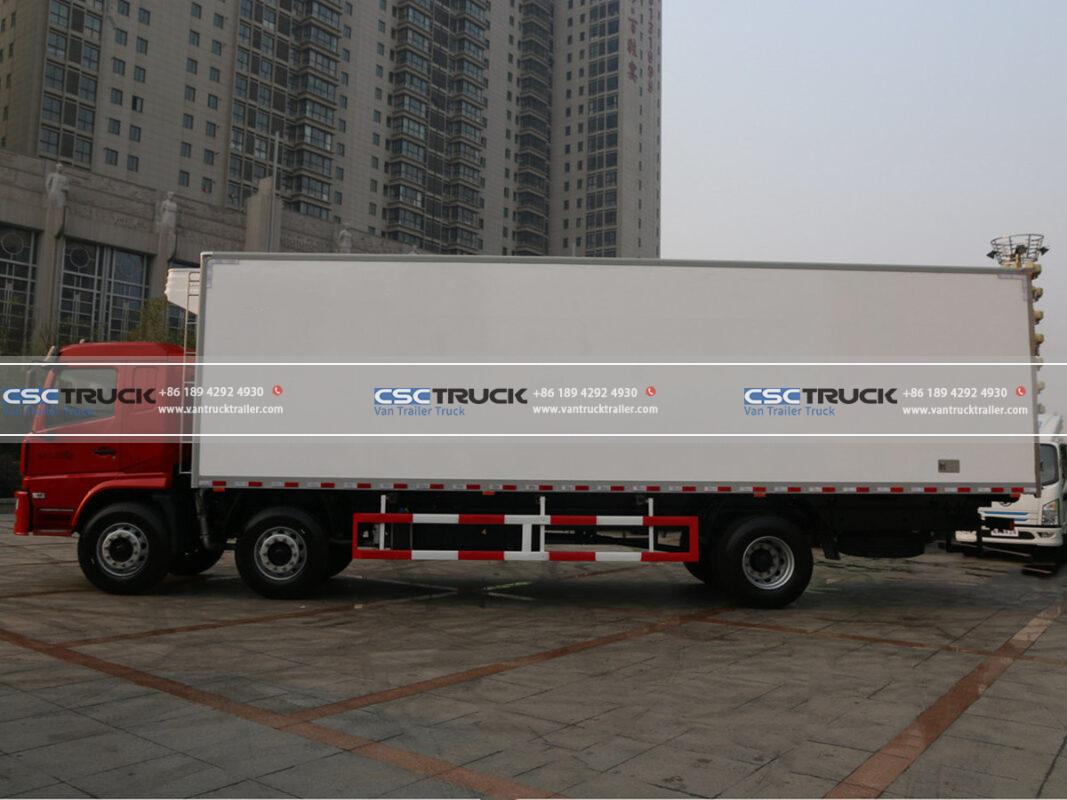
The Environmental Imperative of Zero-Emission Cooling Traditional diesel-powered reefer units represent a dual environmental threat, emitting both transportation exhaust and refrigeration pollutants simultaneously. A single diesel reefer operating 12 hours daily releases approximately 28 tons of CO₂ annually while consuming over 6,000 gallons of fuel. Beyond greenhouse gases, they emit nitrogen oxides (NOx) at 15x the rate of modern […]
10
Sep
Sep
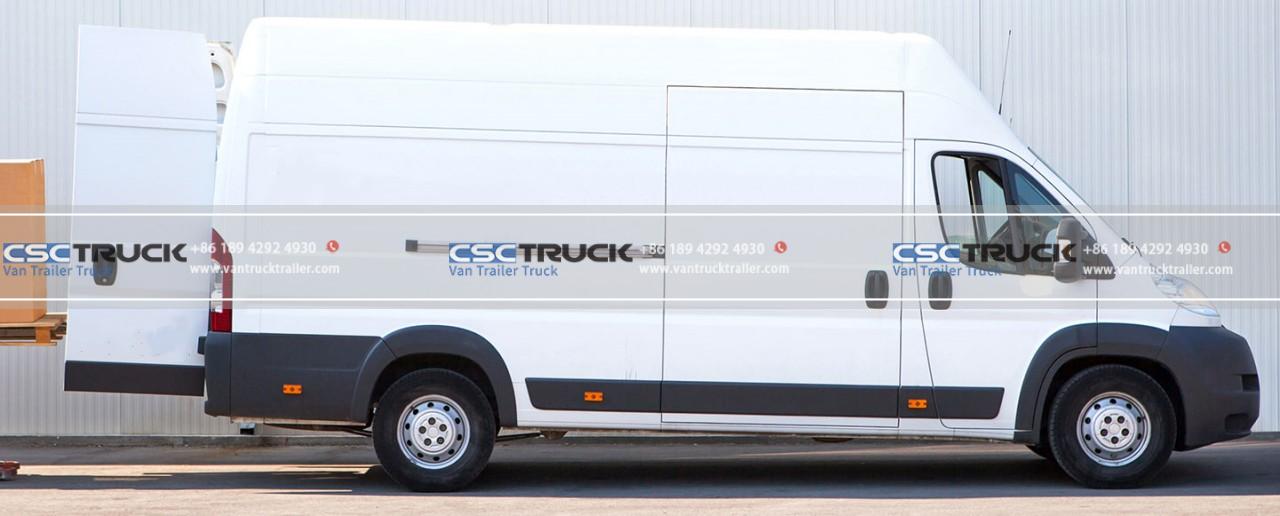
Navigating the Global Regulatory Tightening The transition to Euro 6 emission standards represents far more than incremental compliance; it is a strategic shield against rapidly evolving global air quality mandates. With over 300 low-emission zones (LEZs) now active across Europe – including London’s expanding Ultra Low Emission Zone (ULEZ) and Germany’s Umweltzonen – non-compliant vehicles face crippling daily charges exceeding €100. […]
07
Sep
Sep
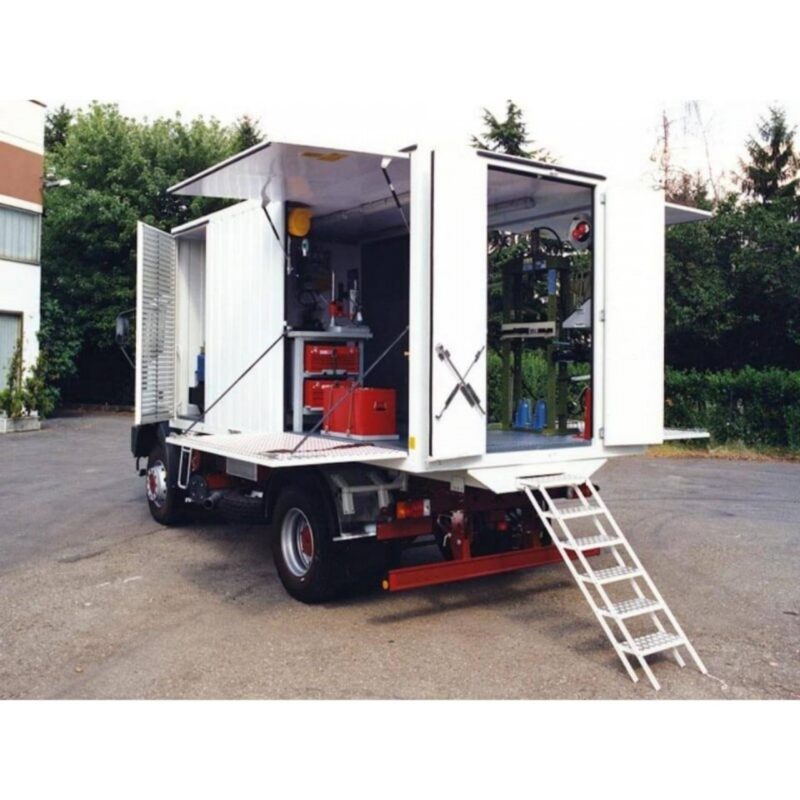
The Paradigm Shift in Mobile Workshop Operations The integration of hybrid power systems into mobile workshop trucks represents a fundamental reengineering of field service logistics. Unlike traditional setups reliant solely on idling diesel engines—a practice consuming 0.8-1.5 gallons of fuel hourly while emitting 20+ lbs of CO₂—hybrid configurations intelligently blend combustion engines with battery banks and often solar supplementation. […]
07
Sep
Sep
The Immediate Capital Expenditure Advantage The most compelling argument for used dry van trailers lies in the dramatic reduction of upfront capital outlay. New trailers typically depreciate 25-35% in their first year alone, representing a significant financial loss before the unit even accumulates substantial mileage. By purchasing a well-maintained 3-5-year-old unit, fleets can bypass this steep initial […]