
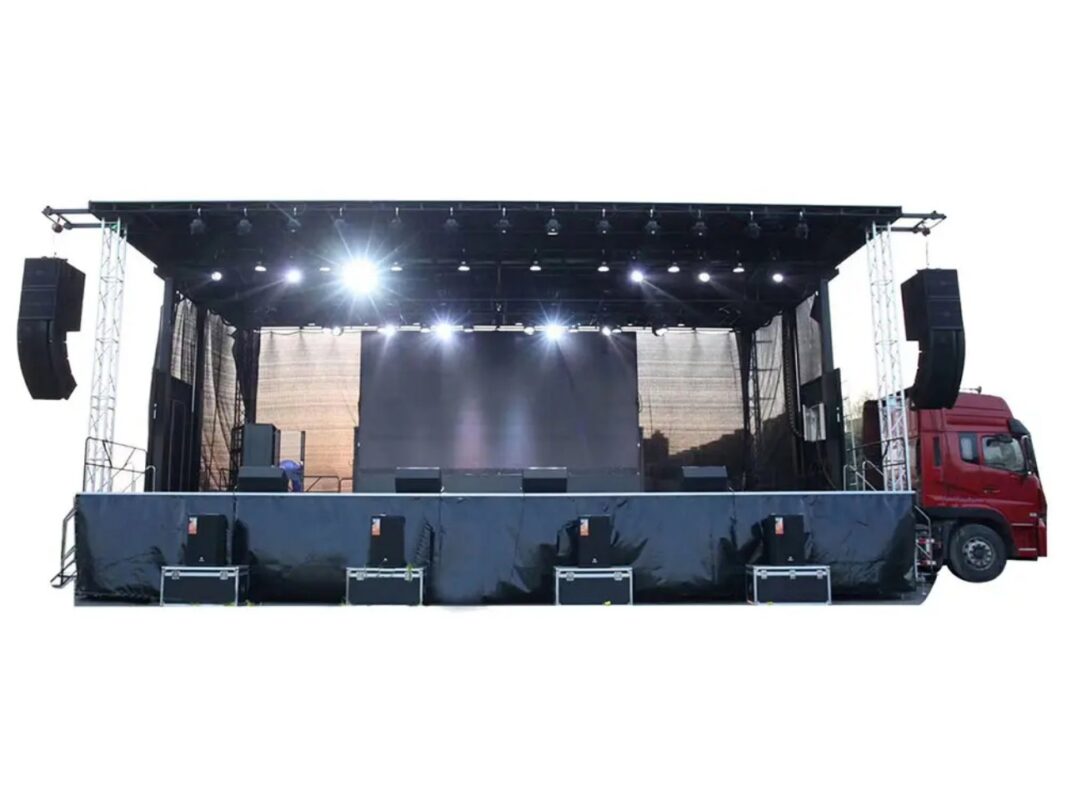
1. The Deployment Spectrum: From Conventional Rigging to Mobile Stage Velocity The transformation of an empty field into a broadcast-capable performance platform historically consumed 72+ labor-intensive hours involving 40+ crew members, 12+ semi-trailers of equipment, and crane-assisted truss assembly vulnerable to weather disruptions—a paradigm obliterated by contemporary self-contained mobile stage trucks achieving full operational readiness in under 90 minutes through integrated deployment systems that synchronize hydraulic unfolding mechanisms, automated rigging deployment, and AI-driven calibration protocols; […]
Category Archives: Van Truck Trailer Knowledge
30
Jul
Jul
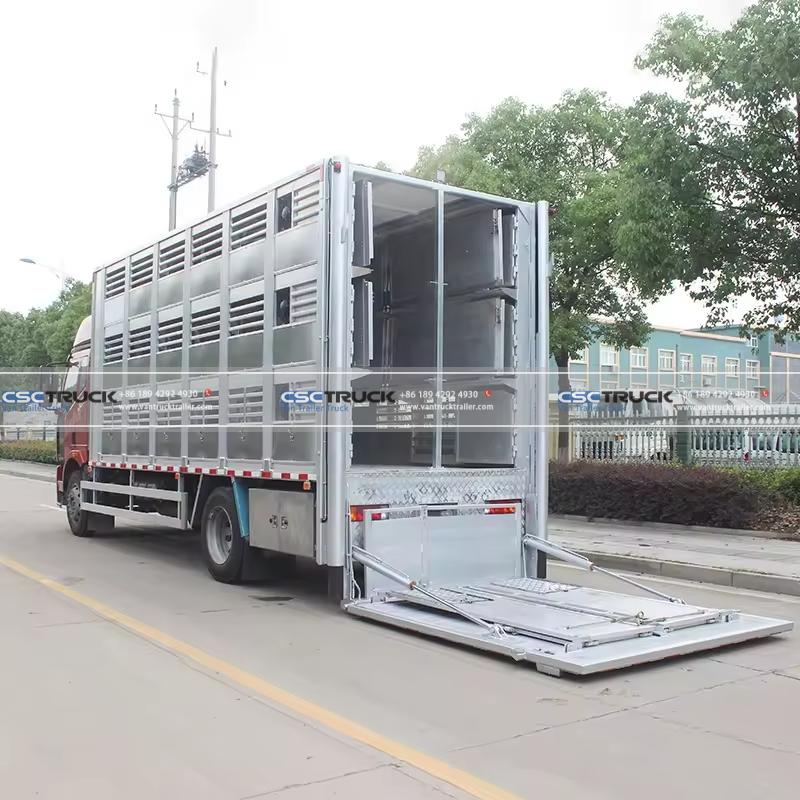
1. The Physiology of Transport Stress: Why Welfare Matters The metabolic cost of transportation manifests within minutes: cortisol levels in cattle surge 400% during improper loading, triggering glycogen depletion that damages meat quality and suppresses immune function for 72+ hours. Studies at Texas A&M’s Animal Welfare Center reveal that stress-induced weight loss during substandard transport can exceed 7% in swine – […]
27
Jul
Jul
1. The Critical Imperative: Why Transport Integrity Defines Animal Welfare and Industry Viability The global movement of livestock—spanning 6.2 billion animals annually across intercontinental supply chains—represents an intricate physiological and ethical challenge where transport stress directly correlates with $3.8 billion in annual losses through mortality, weight reduction, and compromised immune function; contemporary research reveals that cattle subjected to 30-hour journeys without optimized […]
25
Jul
Jul
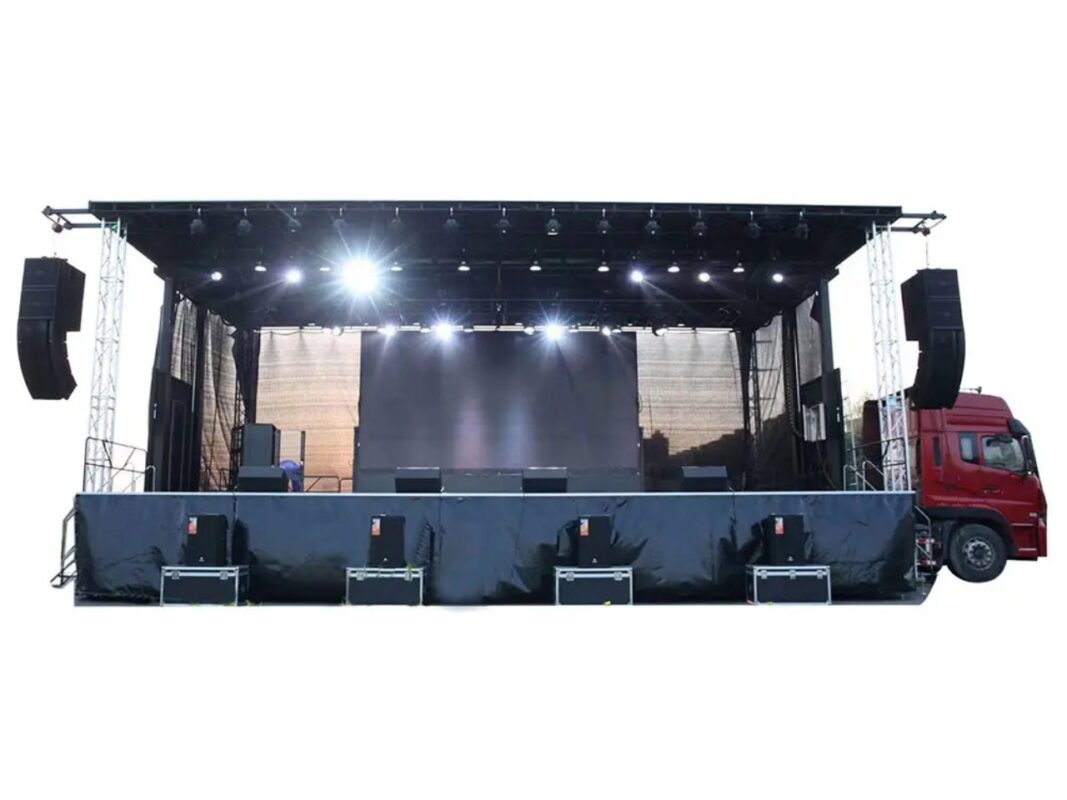
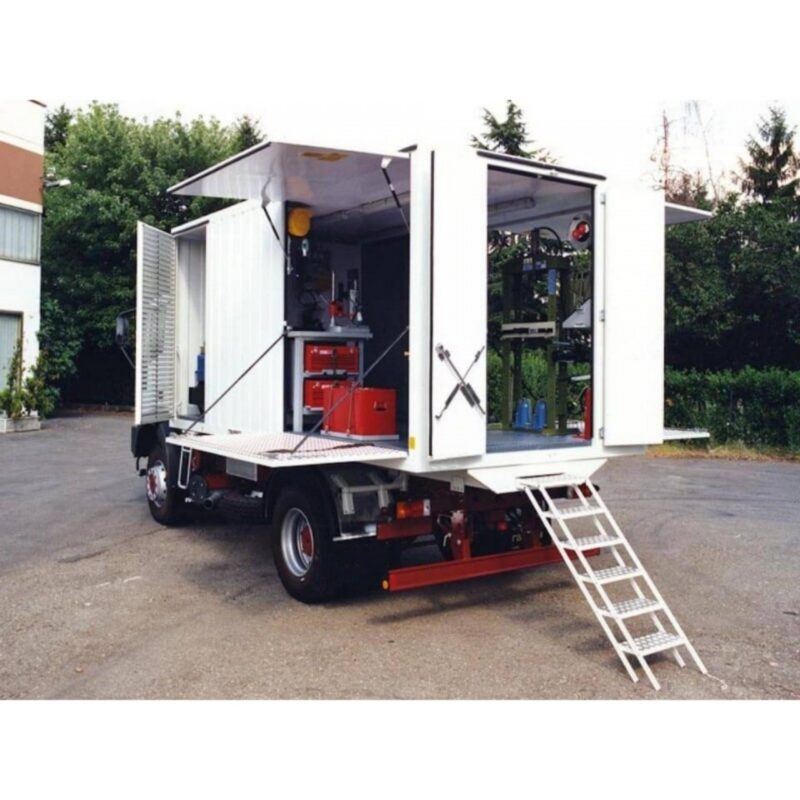
1. The Scalability Imperative: Confronting Modern Event Dynamics The explosive resurgence of live experiences—from metropolitan music festivals drawing 250,000+ attendees to corporate product launches requiring simultaneous streaming in 18 languages—has exposed the catastrophic limitations of traditional staging; permanent venues sat underutilized 68% of annual hours (Event Industry Council 2024), while temporary structures consumed 72 labor-hours per square meter for assembly, creating untenable […]
23
Jul
Jul
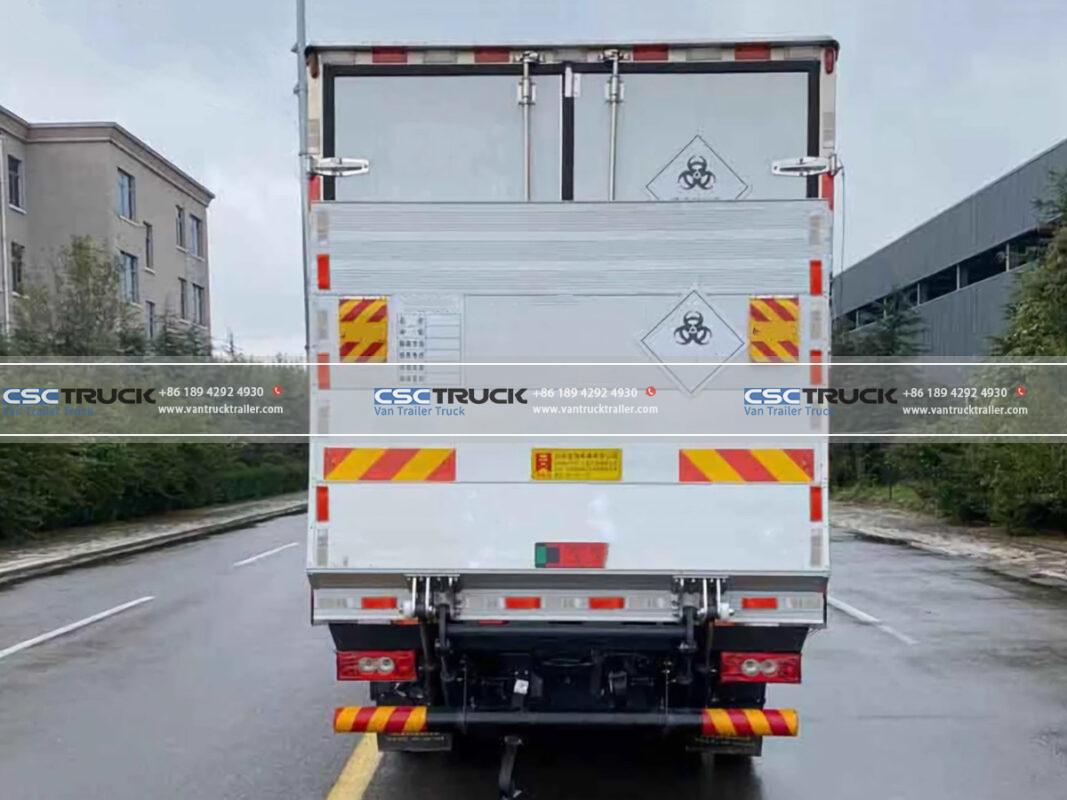
1. The Productivity Imperative: Confronting Downtime Economics The traditional model of returning equipment, personnel, and specialized tools to centralized facilities for maintenance and repairs represents a catastrophic drain on operational efficiency, with industries ranging from construction and energy to telecommunications and defense hemorrhaging $87 billion annually in cumulative productivity losses due solely to transit-induced downtime; field technicians […]
21
Jul
Jul
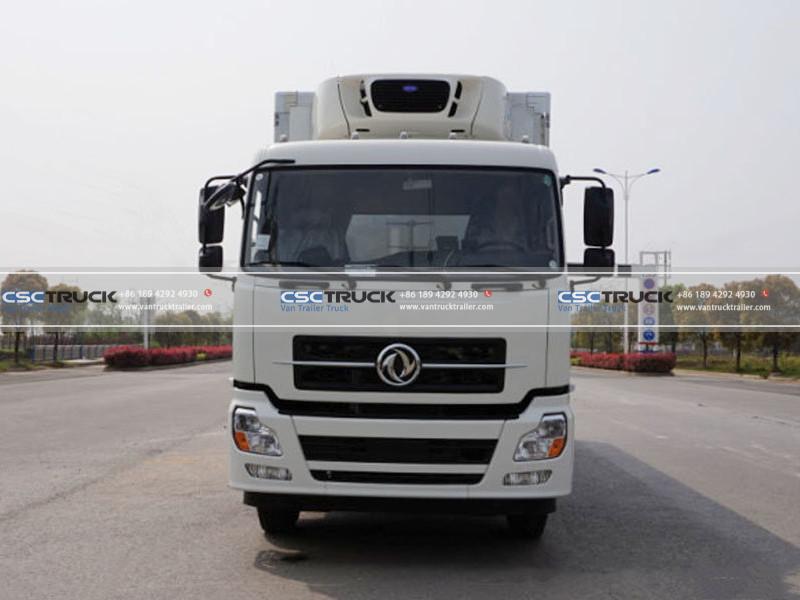
1. The Invisible Threat in Healthcare’s Backstage Behind the lifesaving procedures and sterile corridors of modern hospitals lies a perilous logistical challenge: the 14 billion pounds of regulated medical waste generated annually in the US alone, material teeming with bloodborne pathogens, chemotherapy residues, and multidrug-resistant organisms. Traditional manual handling—where healthcare workers transfer sharps containers and biohazard bags through crowded hallways—accounts for over 62% […]
19
Jul
Jul
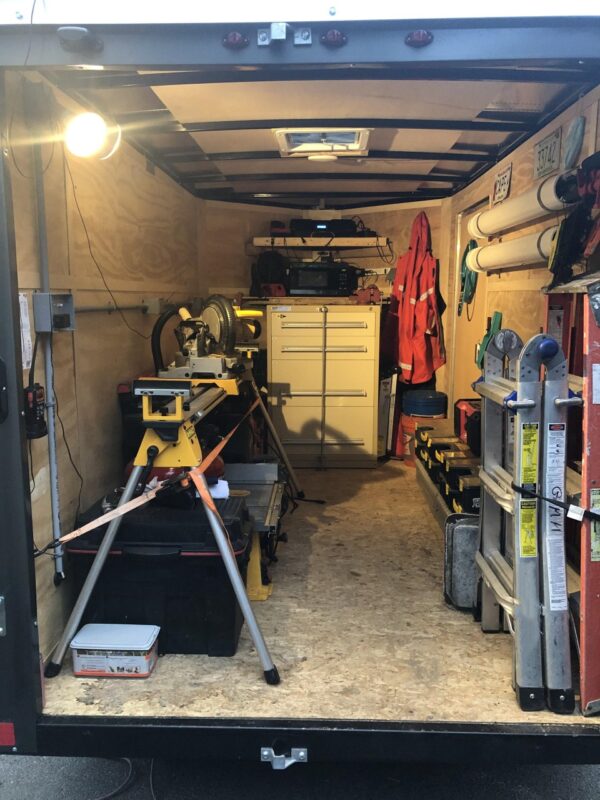
1. The Arterial Network of Modern Commerce The unassuming cargo truck—a technological symphony masquerading as a steel box on wheels—forms the central nervous system of 21st-century economies, carrying 72% of all U.S. freight tonnage despite representing just 4% of transportation vehicles. Unlike rail or maritime shipping, its unique capability for point-to-point precision delivery enables unprecedented supply chain responsiveness, compressing replenishment cycles […]
17
Jul
Jul
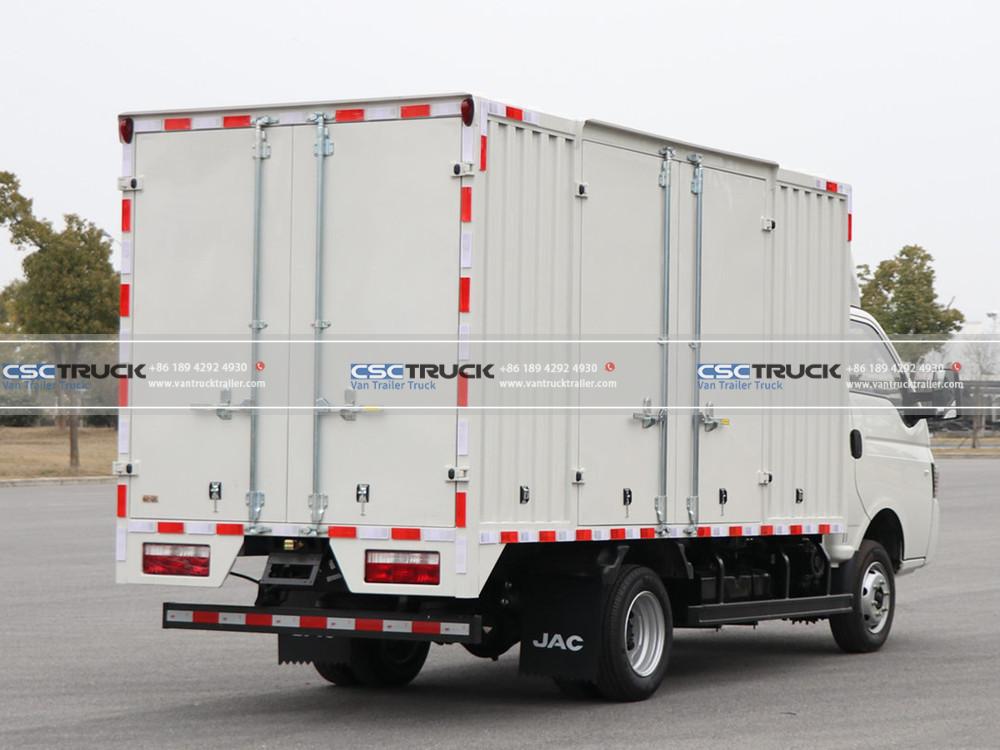
1. Redefining Rapid Response: The Mobile Workshop Advantage When a Komatsu HD1500 haul truck suffers hydraulic failure at a Chilean copper mine, traditional repair protocols would incur 72+ hours of downtime awaiting parts and technicians—costing upwards of $412,000 in lost production. Today, a Mercedes-Benz Arocs-based mobile workshop arrives within 90 minutes, equipped with diagnostic fluid chromatography to identify contaminated oil and CNC-mounted hoses fabricated onsite in […]
15
Jul
Jul
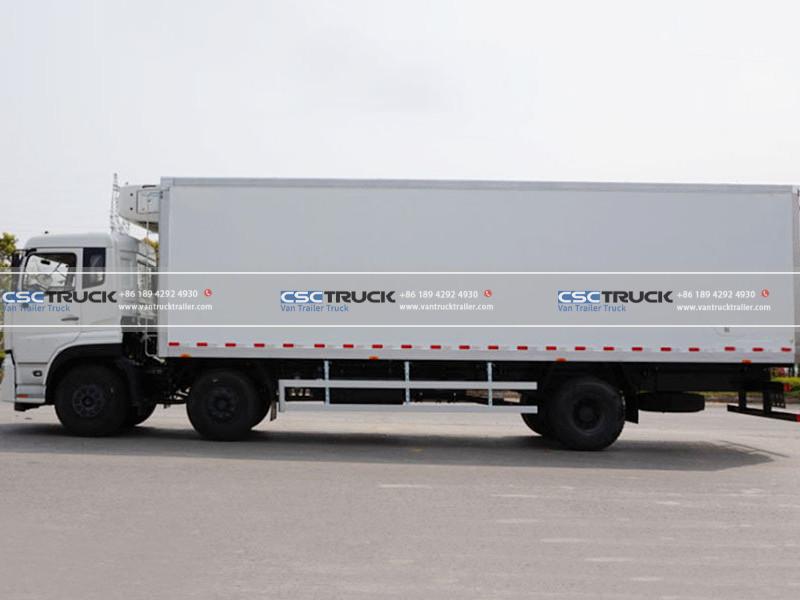
1. The Ubiquitous Workhorse of Modern Logistics The unassuming dry van—characterized by its enclosed, non-temperature-controlled design—forms the circulatory system of global commerce, transporting an estimated 68% of all palletized goods across North America alone. Unlike specialized equipment like reefers or flatbeds, its universal 53-foot standardized dimensions and 10,000+ pound payload capacity enable unparalleled operational flexibility. From the retail consolidation centers feeding big-box stores to […]
13
Jul
Jul
1. The High Stakes of Thermal Variance A 0.5°C deviation during insulin transport can degrade molecular stability by 18%, while seafood exposed to -19.5°C instead of -20°C develops ice crystal structures that accelerate protein denaturation. These microscopic failures cascade into macroscopic consequences: the WHO attributes 23% of vaccine inefficacy globally to temperature excursions during transit. Modern refrigerated trucks combat this through multi-layered control architectures, […]