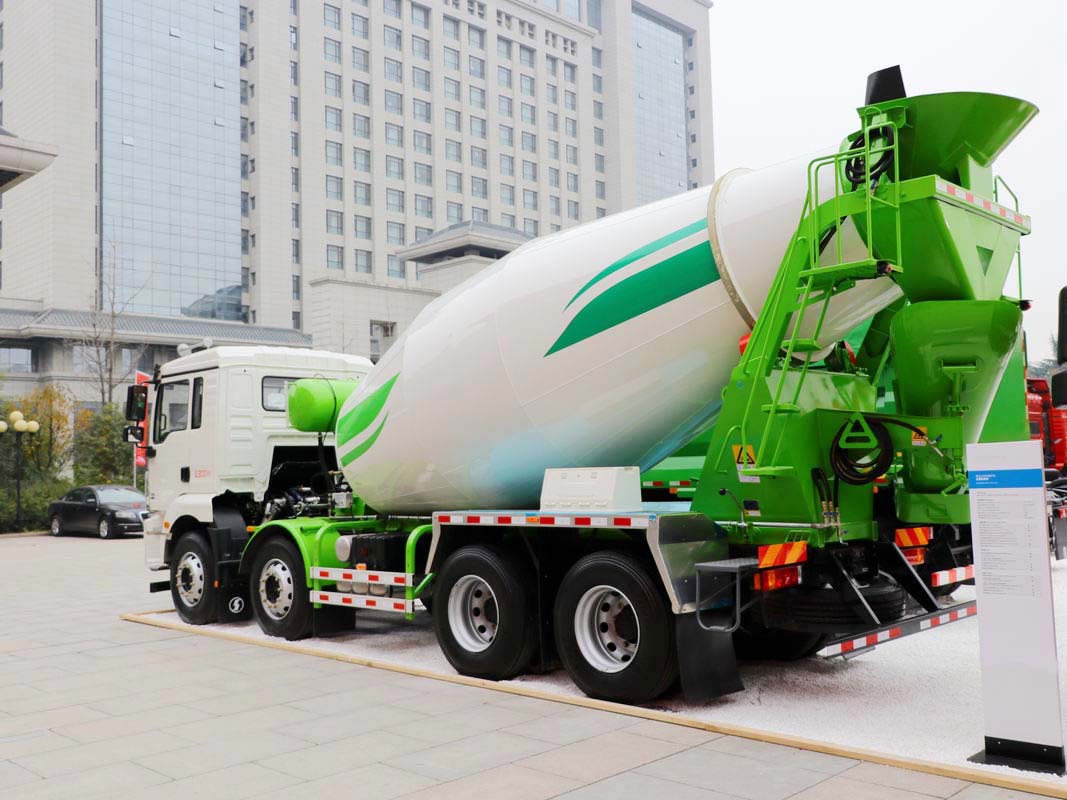
Concrete mixer trucks are essential in modern construction, ensuring that fresh concrete is delivered efficiently and in optimal condition. However, like other engineering vehicles such as dump trucks and cargo trucks, concrete mixer trucks can also develop various mechanical and systemic problems during long-term use. Understanding common issues—and how to address them—can help reduce downtime, improve safety, and extend your equipment’s lifespan.
1. Drum Not Rotating Properly
Problem:
The mixing drum may rotate slowly, irregularly, or stop completely.
Causes:
- Hydraulic system failure
- Damaged drive motor
- Low hydraulic fluid levels
Solution:
- Check and refill hydraulic oil if necessary
- Inspect hoses and connections for leaks
- Replace or repair the hydraulic motor if damaged
2. Concrete Sticking Inside the Drum
Problem:
Hardened concrete builds up inside the drum, reducing mixing efficiency and capacity.
Causes:
- Inadequate cleaning after use
- Delayed discharge
- Poor water management
Solution:
- Wash the drum thoroughly after every use
- Use high-pressure water systems
- Periodically perform mechanical cleaning if the buildup is severe

3. Hydraulic System Overheating
Problem:
The hydraulic system overheats, affecting performance and potentially causing shutdowns.
Causes:
- Dirty or clogged filters
- Low fluid levels
- Overworked system
Solution:
- Replace hydraulic filters regularly
- Maintain proper fluid levels
- Allow the system to cool during extended operations
4. Leakage Issues
Problem:
Leaks may occur in hydraulic lines, water tanks, or seals.
Causes:
- Worn seals or gaskets
- Cracked hoses
- Loose fittings
Solution:
- Inspect the truck daily for visible leaks
- Tighten connections
- Replace worn components immediately

5. Engine Performance Problems
Problem:
Reduced power, excessive fuel consumption, or difficulty starting.
Causes:
- Poor fuel quality
- Clogged air filters
- Lack of regular servicing
Solution:
- Use high-quality fuel
- Replace air and fuel filters regularly
- Follow a strict maintenance schedule
6. Uneven Mixing or Poor Concrete Quality
Problem:
Concrete is not mixed evenly, affecting construction quality.
Causes:
- Incorrect drum speed
- Worn mixing blades
- Overloading or underloading
Solution:
- Adjust drum rotation speed according to specifications
- Replace worn blades
- Ensure proper load capacity is followed
7. Water System Malfunctions
Problem:
The water supply system fails, affecting the concrete consistency.
Causes:
- Pump failure
- Blocked pipes
- Faulty valves
Solution:
- Inspect and clean water lines
- Repair or replace faulty pumps
- Test the system before each operation

8. Brake and Safety System Failures
Problem:
Brakes or safety systems do not function properly, posing serious risks.
Causes:
- Worn brake pads
- Hydraulic brake issues
- Lack of inspection
Solution:
- Conduct regular safety checks
- Replace brake components as needed
- Ensure compliance with safety standards
Conclusion
Regular maintenance and early problem detection are key to keeping your mixer truck running efficiently. By addressing these common issues proactively, operators can minimize costly repairs, improve safety, and ensure consistent concrete quality.
Investing time in proper care not only extends the life of your equipment but also boosts overall productivity on the job site.
Bonus Tip
Create a daily inspection checklist for drivers and operators. Preventive maintenance is always more cost-effective than emergency repairs.
Thanks for sharing this detailed breakdown of common mixer truck issues—especially the hydraulic system problems—because they’re often overlooked until they cause major delays. The troubleshooting tips around ‘weak lifting’ and ‘unexpected lowering’ are particularly helpful for fleet managers who need quick fixes without costly downtime. It’s also great to see the focus on preventive maintenance, which can save a lot of headaches down the road.