
In modern road construction and maintenance, asphalt spraying technology plays a critical role in pavement quality, durability, and construction efficiency. Different asphalt materials require different spraying temperatures, equipment configurations, and operational methods. Among the most commonly used materials are hot asphalt, emulsified asphalt, and modified asphalt. Understanding their differences helps contractors choose the right solution for specific project conditions while improving construction performance and cost control.
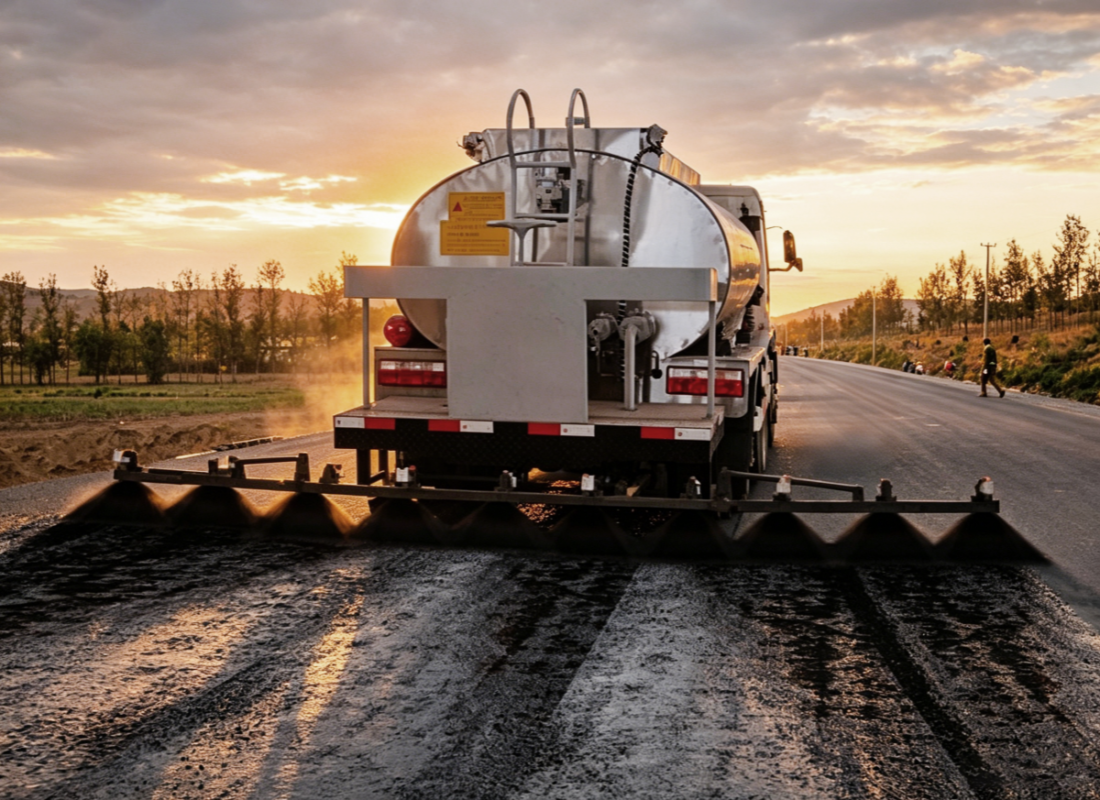
A key piece of equipment used across these applications is the Asphalt Distributor Truck, which ensures accurate asphalt spraying, consistent coverage, and efficient material distribution during road construction and maintenance projects.
What Is Hot Asphalt?
Hot asphalt, also known as conventional heated asphalt, is petroleum asphalt that must be heated to a high temperature before application. It is widely used in highway paving, tack coats, and waterproofing applications.
Spraying Requirements for Hot Asphalt
Because of its high viscosity at room temperature, hot asphalt must be heated before spraying.
Typical spraying conditions include:
- Spraying temperature: 150°C–180°C
- Equipment requirements: Asphalt distributor equipped with a heating system and an insulated tank
- Construction environment: Dry weather with stable ambient temperatures
- Spraying challenges: Risk of uneven spraying if the temperature drops too quickly
The main advantage of hot asphalt is its strong adhesion and fast bonding capability. However, the high-temperature operation increases energy consumption and creates stricter safety requirements during transportation and spraying.

What Is Emulsified Asphalt?
Emulsified asphalt is produced by dispersing asphalt particles into water with the help of emulsifying agents. Unlike hot asphalt, it can be sprayed at much lower temperatures.
Spraying Requirements for Emulsified Asphalt
Emulsified asphalt is known for its convenience and environmental benefits.
Typical spraying conditions include:
- Spraying temperature: Usually 20°C–70°C
- Equipment requirements: Standard asphalt sprayer without heavy heating demand
- Construction environment: Suitable for cold or humid conditions
- Spraying challenges: Requires proper curing time for water evaporation
Because emulsified asphalt contains water, it reduces fuel consumption and minimizes smoke emissions during construction. It is especially suitable for chip sealing, slurry sealing, fog sealing, and preventive maintenance projects.
Advantages of Emulsified Asphalt
- Lower construction temperature
- Reduced environmental impact
- Improved safety during spraying
- Easier storage and transportation
- Better performance in lower-temperature climates
However, its final strength development is slower compared to hot asphalt because curing depends on water evaporation and emulsion breaking.
What Is Modified Asphalt?
Modified asphalt is asphalt enhanced with polymers or rubber additives to improve elasticity, durability, temperature resistance, and crack resistance.
Common modifiers include:
- SBS (Styrene-Butadiene-Styrene)
- Crumb rubber
- EVA polymers
Modified asphalt is widely used in airports, expressways, bridges, and heavy-traffic roads.
Spraying Requirements for Modified Asphalt
Modified asphalt has stricter spraying requirements due to its higher viscosity and additive composition.
Typical spraying conditions include:
- Spraying temperature: 170°C–190°C
- Equipment requirements: High-performance heating and circulation systems
- Construction environment: Precise temperature control is essential
- Spraying challenges: Nozzle clogging and uneven distribution if temperature control is poor
Compared with conventional hot asphalt, modified asphalt demands more advanced spraying equipment and experienced operators. Continuous agitation and temperature monitoring are often necessary to maintain material stability.
Modern Asphalt Distributor Trucks designed for modified asphalt applications usually feature intelligent control systems to ensure stable spraying pressure and accurate asphalt distribution.

Comparison of Spraying Requirements
| Material Type | Spraying Temperature | Heating Requirement | Environmental Impact | Construction Difficulty | Typical Applications |
|---|---|---|---|---|---|
| Hot Asphalt | 150°C–180°C | High | Moderate | Medium | Highway paving |
| Emulsified Asphalt | 20°C–70°C | Low | Low | Easy | Road maintenance |
| Modified Asphalt | 170°C–190°C | Very High | Moderate | High | Heavy-duty pavements |
How to Choose the Right Asphalt Material
Selecting the appropriate asphalt material depends on several factors:
1. Climate Conditions
- Cold regions often favor emulsified asphalt for easier application.
- High-temperature regions may require modified asphalt for rutting resistance.
2. Traffic Volume
- Heavy traffic roads benefit from modified asphalt due to its durability.
- Low-volume roads can use conventional hot asphalt economically.
3. Construction Budget
- Emulsified asphalt generally reduces fuel and labor costs.
- Modified asphalt has higher upfront costs but longer service life.
4. Equipment Compatibility
Different asphalt materials require different equipment capabilities. Choosing a suitable Asphalt Distributor Truck with proper heating, insulation, and spraying control systems is essential for achieving optimal construction results.

Future Trends in Asphalt Spraying Technology
The asphalt industry is moving toward:
- Intelligent spraying systems
- Automated temperature control
- Environmentally friendly emulsions
- Warm mix asphalt technologies
- AI-assisted pavement management
Advanced Asphalt Distributor Truck technology is also evolving rapidly, with features such as GPS-controlled spraying, automatic flow adjustment, and digital monitoring systems becoming increasingly common in modern road construction projects.
Conclusion
Hot asphalt, emulsified asphalt, and modified asphalt each have unique spraying requirements and performance characteristics. Hot asphalt offers strong bonding performance, emulsified asphalt provides environmental and operational advantages, while modified asphalt delivers superior durability for demanding applications.
No matter which material is selected, using a reliable Asphalt Distributor Truck is critical for ensuring accurate spraying, improving construction efficiency, and achieving long-lasting pavement performance.
For professional road construction equipment solutions, CSCTRUCK provides customized Asphalt Distributor Trucks, intelligent asphalt spraying equipment, and specialized road maintenance vehicles tailored to different project requirements.
Contact CSCTRUCK to learn more about reliable and efficient asphalt spraying vehicle solutions for your road construction and maintenance business.