

Healthcare systems in many developing regions are expanding rapidly to meet the needs of growing populations. Clinics, community health centers, and hospitals are being established in both urban and rural areas, improving access to medical treatment. However, one critical aspect of healthcare infrastructure often receives less attention: the safe management and transportation of medical waste.
Medical waste trucks play a vital role in bridging this gap. By enabling the safe collection, transportation, and disposal of hazardous healthcare waste, these specialized vehicles help protect public health, support environmental safety, and strengthen healthcare systems in regions where waste management infrastructure is still developing.
The Growing Challenge of Medical Waste
Medical facilities generate a wide range of waste materials during daily operations. These include items such as used syringes, contaminated bandages, laboratory materials, expired medications, and disposable protective equipment. Unlike regular household waste, medical waste often contains infectious agents, chemicals, or sharp objects that can pose serious risks if handled improperly.
In many developing regions, healthcare services have expanded faster than the systems needed to manage the waste they produce. Without proper collection and transportation, medical waste may accumulate in temporary storage areas, be mixed with general waste, or be disposed of in unsafe ways.
Improper disposal can create several risks. Communities living near healthcare facilities may be exposed to infectious materials, waste pickers may come into contact with contaminated items, and harmful substances may enter soil or water systems. These challenges highlight the need for reliable and organized medical waste management solutions.
Why Transportation Is a Critical Link
While treatment technologies and disposal facilities are essential parts of the waste management chain, transportation often determines whether these solutions can be used effectively. Medical waste trucks serve as the link between healthcare facilities and treatment sites.
In many developing regions, healthcare facilities are spread across large geographic areas. Rural clinics, temporary medical stations, and small hospitals may be located far from centralized waste treatment facilities. Without dedicated vehicles designed for hazardous waste transport, it becomes difficult to collect and move waste safely and regularly.
Medical waste trucks help establish structured collection routes that connect healthcare providers with appropriate disposal systems. By ensuring that waste is removed from medical facilities promptly, these vehicles reduce the risk of unsafe storage or unauthorized dumping.

Designed for Safe and Controlled Transport
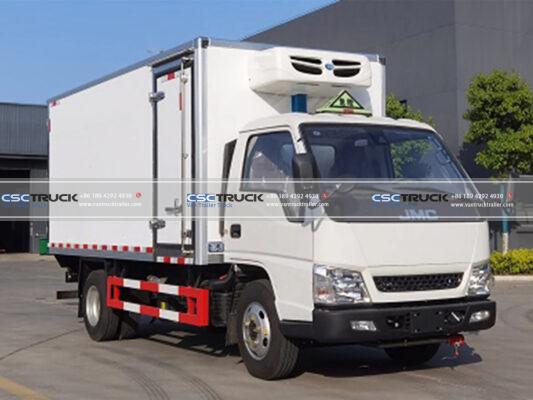
Medical waste trucks are built with features that support the safe handling of hazardous materials. Their compartments are typically sealed to prevent leakage, contamination, or exposure during transport. Surfaces inside the cargo area are designed to be easy to clean and disinfect, which helps maintain hygienic conditions between collection cycles.
Many trucks also include mechanisms that allow waste containers to be loaded and secured efficiently. This reduces direct contact between workers and potentially hazardous materials while improving operational efficiency. Secure containment systems help prevent spills and ensure that waste remains isolated throughout the transportation process.
These design considerations are particularly important in regions where road conditions may be challenging. Trucks operating in rural or remote areas must maintain stability and safety while carrying sensitive and potentially dangerous cargo.
Supporting Public Health and Environmental Protection
Effective medical waste transportation plays an important role in preventing disease transmission and environmental contamination. When waste is collected and transported safely, the risk of accidental exposure to infectious materials is significantly reduced.
This protection extends beyond healthcare workers to the wider community. Residents living near healthcare facilities benefit from improved sanitation and lower risk of contamination. Waste collectors and sanitation workers also gain safer working conditions when proper equipment and procedures are used.
Environmental protection is another important benefit. Medical waste that is disposed of improperly can release harmful substances into the air, soil, or water. By ensuring that waste reaches designated treatment facilities, medical waste trucks help prevent pollution and promote more sustainable waste management practices.
Enabling Healthcare Expansion in Underserved Areas
One of the biggest challenges facing healthcare providers in developing regions is expanding services to underserved communities. Mobile clinics, rural health centers, and emergency care programs are often established to reach populations that previously had limited access to medical care.
However, these facilities must also manage the waste generated during treatment. Without a reliable system for waste collection and transport, healthcare providers may face operational constraints or safety concerns.
Medical waste trucks support the expansion of healthcare services by providing a dependable way to remove hazardous waste from remote or newly established facilities. This allows healthcare workers to focus on patient care while ensuring that waste management standards are maintained.
Improving Operational Efficiency for Healthcare Systems
Centralized waste treatment facilities are often more efficient and environmentally responsible than small-scale disposal methods at individual healthcare sites. However, these facilities rely on reliable transportation networks to collect waste from multiple locations.
Medical waste trucks make it possible to organize regular collection schedules and streamline the logistics of waste management. Healthcare facilities can store waste safely in approved containers until scheduled pickups, reducing the need for on-site disposal equipment.
For regional health authorities and service providers, this approach simplifies coordination and helps ensure that waste is handled according to established safety guidelines. Over time, organized transportation systems contribute to more structured and sustainable healthcare operations.
Creating Opportunities for Local Infrastructure Development
The introduction of medical waste transport systems can also stimulate broader improvements in public health infrastructure. Training programs for waste management personnel, the development of collection routes, and the establishment of treatment facilities all contribute to stronger healthcare ecosystems.
In many cases, medical waste trucks become part of integrated sanitation strategies that also address other types of hazardous or specialized waste. This encourages cooperation between healthcare providers, local authorities, and environmental agencies.
By strengthening these systems, communities can build long-term capacity to manage healthcare waste safely and responsibly.

Challenges and the Path Forward
Despite the clear benefits of medical waste transportation systems, several challenges remain in developing regions. Limited funding, difficult terrain, and gaps in regulatory frameworks can make it harder to implement organized waste collection networks.
In some areas, awareness of proper waste management practices may still be developing. Healthcare facilities may require additional training and guidance on waste segregation, packaging, and storage before collection.
Addressing these challenges requires collaboration between healthcare providers, local governments, environmental organizations, and equipment suppliers. Investment in training, infrastructure, and specialized vehicles can significantly improve waste management outcomes.
As healthcare systems continue to evolve, integrating effective waste transportation solutions will become increasingly important.
A Vital Component of Modern Healthcare Systems
Medical waste trucks may not always receive the same attention as hospitals or advanced medical technologies, but their role in protecting public health is essential. By ensuring that hazardous healthcare waste is collected, contained, and transported safely, these vehicles help close a critical gap in healthcare infrastructure.
In developing regions where healthcare services are expanding rapidly, reliable waste management systems are necessary to support sustainable growth. Medical waste trucks provide the mobility, safety, and efficiency needed to connect healthcare facilities with proper treatment and disposal solutions. Medical waste trucks do not operate in isolation. As healthcare systems continue to improve, they often work alongside other specialized vehicles to form a more comprehensive public health support network. For example, cargo trucks can transport medical equipment, medicines, and protective supplies, ensuring that hospitals and local clinics maintain a steady flow of essential resources. Mobile Medical Clinic Trucks can bring basic medical services directly to remote communities, allowing residents to receive timely care closer to home. Meanwhile, mobile workshops provide on-site maintenance and technical support for both medical equipment and service vehicles, helping keep operations running smoothly. When these different types of vehicles work together, they help expand access to healthcare while supporting a more reliable and efficient medical service system.
As more regions invest in modern healthcare systems, the importance of safe and organized medical waste transportation will only continue to grow. Strengthening this part of the healthcare chain not only protects communities and the environment but also ensures that medical progress is supported by responsible and effective waste management practices.