
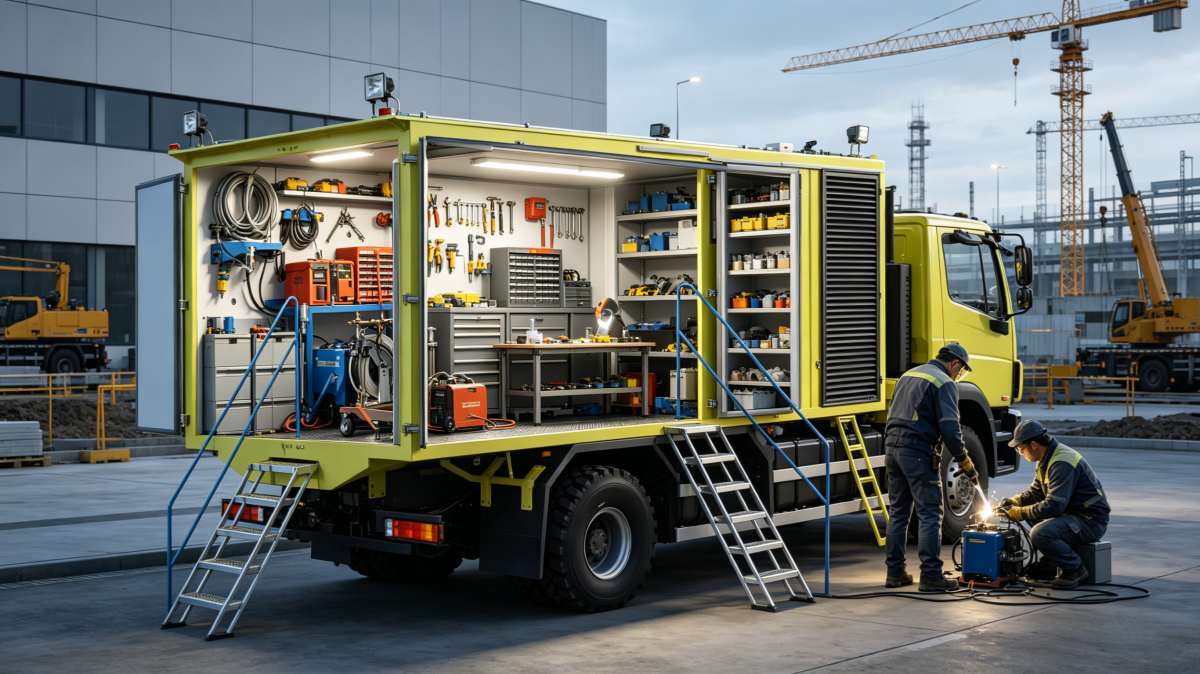
A mobile workshop truck is more than just a vehicle — it’s a fully functional workspace on wheels. Whether used for field repairs, construction support, utility maintenance, or emergency services, a well-equipped mobile workshop can dramatically improve productivity, reduce downtime, and increase operational efficiency.
But creating an effective mobile workshop truck requires more than loading tools into a cargo area. Proper planning, equipment selection, and workspace layout are critical for safety, efficiency, and long-term performance.
In this guide, we’ll explore the essential tools every mobile workshop truck should include, along with practical layout tips to maximize functionality.
What Is a Mobile Workshop Truck?
A mobile workshop truck is a specially outfitted service vehicle designed to carry tools, equipment, spare parts, and workstations needed for on-site maintenance and repair operations.
These trucks are widely used in industries such as:
- Construction
- Mining
- Utilities
- Oil & gas
- Telecommunications
- Fleet maintenance
- Agriculture
- Emergency repair services
Instead of transporting broken equipment back to a workshop, technicians can perform on-site repairs directly in the field.

Benefits of a Mobile Workshop Truck
Before discussing equipment and layouts, it’s important to understand why mobile workshops are increasingly popular.
Faster Response Times
Technicians can travel directly to job sites with all necessary tools and spare parts.
Reduced Equipment Downtime
Field repairs minimize delays and keep operations running smoothly.
Improved Productivity
Organized mobile workspaces allow technicians to complete jobs more efficiently.
Lower Transportation Costs
Repairing equipment on-site reduces towing and transport expenses.
Better Service Coverage
Mobile workshops enable businesses to support remote or hard-to-reach locations.
Essential Tools for a Mobile Workshop Truck
The exact equipment depends on the industry and service requirements, but most mobile workshop trucks should include the following essentials.
1. Hand Tools
Every workshop starts with reliable hand tools.
Recommended Items:
- Wrench sets
- Screwdrivers
- Pliers
- Hammers
- Socket sets
- Allen keys
- Torque wrenches
- Utility knives
Durable, industrial-grade tools are recommended for heavy daily use.
2. Power Tools
Portable power tools improve repair speed and efficiency.
Common Power Tools:
- Cordless drills
- Impact wrenches
- Angle grinders
- Circular saws
- Reciprocating saws
- Heat guns
Battery-powered tools are especially useful for field work where power access may be limited.
3. Air Compressor System
An onboard air compressor system supports pneumatic tools and tire servicing.
Uses Include:
- Air impact tools
- Tire inflation
- Cleaning equipment
- Spray applications
Choose a compressor with sufficient airflow and storage capacity for your operational needs.
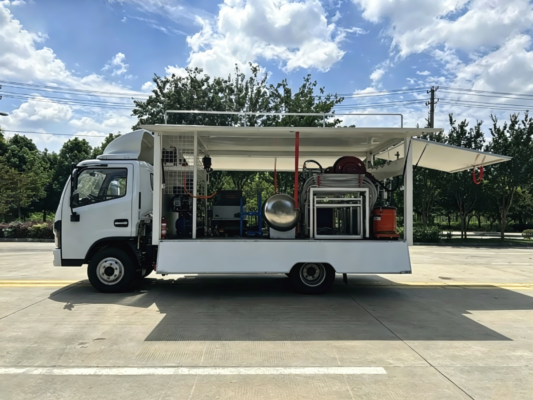
4. Generator or Power Supply
Reliable electricity is essential for operating tools and lighting.
Power Options:
- Diesel generators
- Inverter systems
- Auxiliary power units (APUs)
- Battery banks with solar charging
Proper power management improves safety and ensures uninterrupted operation.
5. Welding Equipment
Many field repairs require portable welding equipment.
Recommended Equipment:
- MIG welders
- TIG welders
- Stick welders
- Welding helmets
- Protective gloves
- Fire extinguishers
Compact inverter welders are ideal for mobile applications.
6. Storage Cabinets and Toolboxes
Organization is critical inside a mobile workshop.
Best Storage Solutions:
- Lockable drawers
- Modular shelving
- Heavy-duty cabinets
- Parts bins
- Magnetic tool holders
Secure storage prevents tool damage during transport.
7. Lighting Systems
Proper lighting systems improve both safety and productivity.
Recommended Lighting:
- LED work lights
- Floodlights
- Adjustable task lighting
- Exterior scene lighting
Energy-efficient LED systems are commonly preferred.

8. Safety Equipment
Mobile workshops must comply with workplace safety standards.
Essential Safety Gear:
- First aid kits
- Fire extinguishers
- Spill containment kits
- PPE storage
- Emergency warning lights
- Wheel chocks
Safety should always be integrated into the vehicle design.
Mobile Workshop Truck Layout Tips
A well-planned layout can significantly improve workflow and reduce technician fatigue.
Prioritize Frequently Used Tools
Store commonly used tools within easy reach to reduce unnecessary movement.
Best Practice:
- Daily-use tools near entrance areas
- Heavy tools at waist height
- Specialized tools in labeled compartments
Efficient access saves time on every job.
Maintain Proper Weight Distribution
Improper weight distribution affects vehicle stability and safety.
Key Recommendations:
- Place heavy equipment low and centered
- Balance weight evenly between sides
- Avoid overloading rear compartments
Always follow vehicle payload limits.
Create Dedicated Work Zones
Separate the truck into functional work zones.
Example Zones:
- Tool storage area
- Power equipment section
- Parts inventory space
- Workbench station
- Safety equipment compartment
This improves organization and operational flow.
Install a Durable Workbench
A foldable or fixed workbench creates a stable repair surface.
Workbench Features:
- Vise mounts
- Power outlets
- Integrated lighting
- Storage drawers
Compact folding designs maximize space efficiency.

Use Vertical Space Efficiently
Wall-mounted storage increases usable floor area.
Space-Saving Ideas:
- Pegboards
- Hanging racks
- Vertical cabinets
- Ceiling-mounted storage
Maximizing vertical space keeps the workspace uncluttered.
Ensure Ventilation and Climate Control
Heat and fumes can create unsafe working conditions.
Important Additions:
- Roof vents
- Exhaust fans
- Insulation
- Air conditioning systems
Comfortable technicians work more effectively.
Technology Upgrades for Modern Mobile Workshops
Advanced technology is transforming mobile service operations.
GPS Fleet Tracking
Monitor vehicle locations and optimize dispatching.
Digital Inventory Management
Track tools and spare parts in real time.
Mobile Diagnostic Systems
Use laptops and scanners for advanced equipment diagnostics.
Remote Communication Systems
Enable technicians to connect with headquarters instantly.
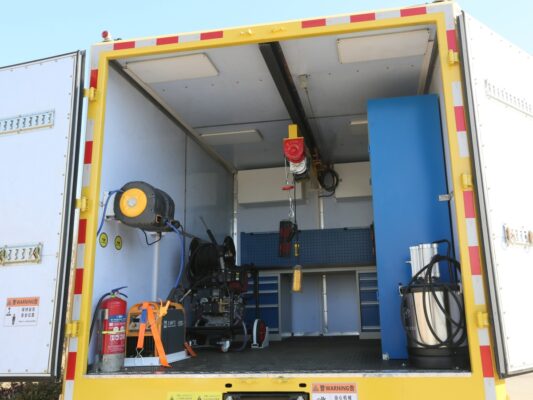
Industries That Benefit from Mobile Workshop Trucks
| Industry | Typical Applications |
|---|---|
| Construction | Equipment repair |
| Utilities | Power line maintenance |
| Mining | Heavy machinery servicing |
| Agriculture | Farm equipment repair |
| Transportation | Fleet maintenance |
| Telecommunications | Field network repairs |
Common Mistakes to Avoid
When outfitting a mobile workshop truck, avoid these common issues:
- Overcrowding the workspace
- Ignoring weight limits
- Poor cable management
- Inadequate lighting
- Insufficient ventilation
- Lack of tool organization
- Underpowered electrical systems
Careful planning prevents costly operational problems later.
Final Thoughts
A properly outfitted mobile workshop truck can become one of the most valuable assets for field service operations. By combining the right tools, efficient storage systems, reliable power solutions, and smart workspace layouts, businesses can improve productivity, reduce downtime, and deliver faster service.
As industries continue moving toward mobile maintenance solutions, investing in a well-designed workshop truck offers long-term operational advantages and greater flexibility in the field.
Whether you operate a construction company, utility fleet, or industrial maintenance service, a thoughtfully designed mobile workshop truck can help your team work safer, faster, and more efficiently.
Looking for a reliable mobile workshop solution? CSCTRUCK provides customized services tailored to your operational needs. If you are interested, please feel free to contact us.