
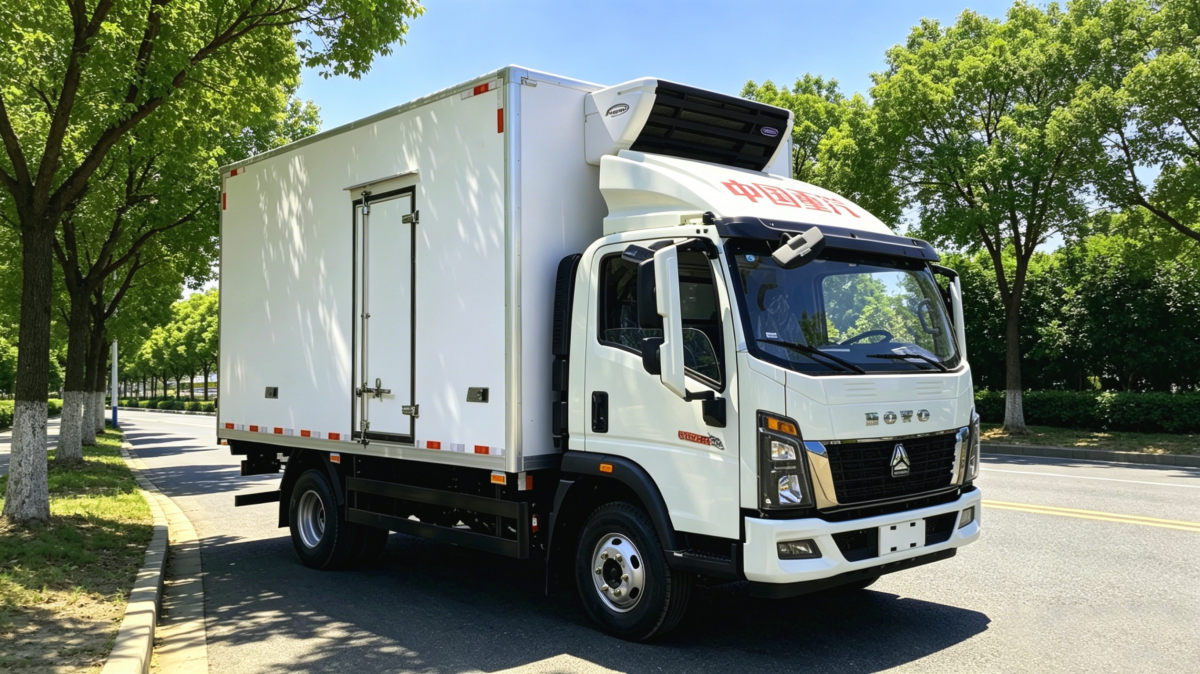
Refrigerated trucks are the backbone of the cold chain. They carry perishable goods—fresh produce, dairy, meat, seafood, and pharmaceuticals—across cities and borders, ensuring that products reach consumers in perfect condition. But a refrigerated truck is only as reliable as its maintenance schedule. Neglect a single component, and you risk cargo loss, regulatory fines, and reputational damage. Three areas demand special attention: the refrigeration unit, the door seals, and the defrost cycle.
1. Refrigeration Unit Care: The Heart of the Cold Chain
The refrigeration unit is the most critical component of any reefer truck. It works constantly, often in harsh conditions—high ambient temperatures, dust, vibration, and long operating hours. Proper maintenance keeps it running efficiently and prevents unexpected breakdowns.
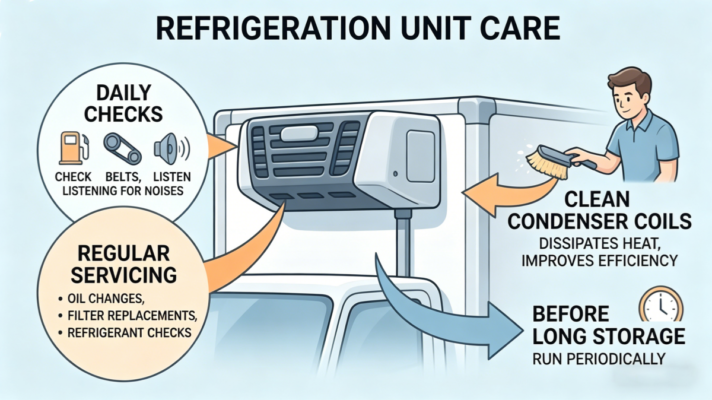
- Daily checks: Before each trip, inspect the unit for obvious damage, loose belts, or unusual noises. Check the fuel level if the unit has its own diesel engine. Ensure that the evaporator and condenser coils are free of debris, dirt, or ice buildup. A blocked coil reduces airflow and forces the unit to work harder, consuming more fuel and shortening its lifespan.
- Regular servicing: Follow the manufacturer’s recommended service intervals for oil changes, filter replacements, and refrigerant level checks. Low refrigerant not only reduces cooling capacity but can also damage the compressor. Have a qualified technician inspect the electrical connections, pressure switches, and thermostat calibration at least twice a year.
- Cleaning: Dirt and grime accumulate on condenser coils, especially in urban environments or on dusty roads. Clean the coils periodically with compressed air or a soft brush. A clean coil dissipates heat effectively, improving efficiency and reducing fuel consumption.
- Before long storage: If the truck will be idle for an extended period, run the refrigeration unit periodically to keep seals lubricated and prevent the compressor from seizing. Store the unit in a dry, covered area if possible.
2. Door Seals: The First Line of Defense
Door seals, also known as gaskets, are often overlooked but play a vital role in maintaining temperature. A damaged or worn seal allows warm, humid air to enter the cargo box. This forces the refrigeration unit to run continuously, increases fuel consumption, and can lead to frost buildup or temperature fluctuations that spoil goods.
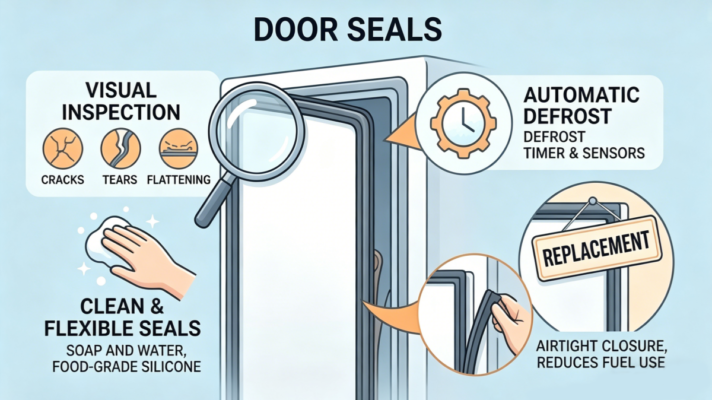
- Visual inspection: Examine door seals for cracks, tears, flattening, or signs of hardening. Pay special attention to corners and the bottom edge, where wear is most common. Check for gaps by closing the door on a piece of paper; if the paper slides out easily, the seal is not making full contact.
- Cleaning: Keep seals clean and flexible. Wash them with mild soap and water, then dry thoroughly. Avoid harsh chemicals or solvents, which can degrade the rubber. Apply a thin layer of food‑grade silicone lubricant periodically to prevent cracking and improve sealing.
- Replacement: Seals are wear items. If they are cracked, permanently flattened, or no longer create an airtight closure, replace them immediately. New seals are inexpensive compared to the cost of a spoiled load.
- Door alignment: Sometimes, a poor seal is caused by a misaligned door rather than a worn gasket. Check that the door hinges and latches are adjusted correctly so that the door closes squarely against the frame.
3. Defrost Cycles: Managing Frost and Ice
Refrigerated trucks operate in a wide range of humidity levels. When warm, moist air enters the cargo box—every time the door opens—it condenses and freezes on the evaporator coils. Over time, frost buildup reduces airflow, insulates the coils, and forces the refrigeration unit to run longer and less efficiently. Regular defrosting is essential.
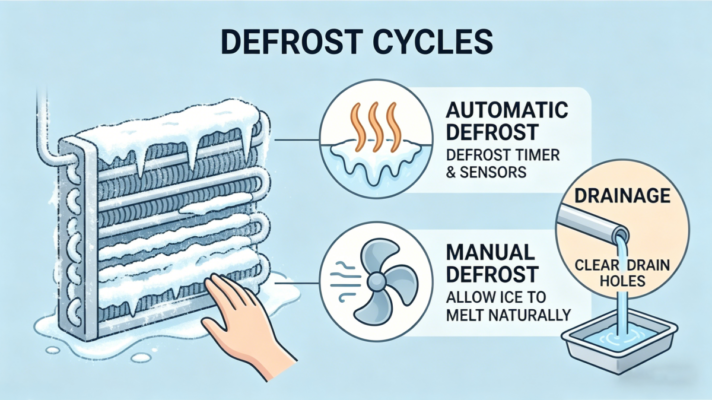
- Automatic defrost: Most modern refrigeration units have automatic defrost cycles. These cycles temporarily reverse the refrigeration process or activate electric heaters to melt ice on the evaporator. Ensure that the defrost timer and termination sensors are functioning correctly. If the unit fails to defrost, ice will accumulate and eventually block airflow completely.
- Manual defrost: In older units or after heavy use (e.g., frequent door openings in humid conditions), a manual defrost may be necessary. Turn off the unit and allow the ice to melt naturally, or use a defrost heater if available. Never use sharp tools or high‑pressure water to remove ice—you will damage the coil fins.
- Defrost frequency: The required defrost frequency depends on humidity, door opening frequency, and cargo type. In dry climates, once every 24 hours may suffice. In tropical environments with high humidity and frequent deliveries, four to six defrost cycles per day may be necessary. Monitor the evaporator coil through the inspection port; if you see significant frost, increase defrost frequency.
- Drainage: After defrosting, water must drain out of the cargo box. Check that the drain holes and tubes are clear of debris and ice. Blocked drains lead to standing water inside the box, which adds humidity and promotes mold growth.
Additional Maintenance Tips
- Pre‑trip inspection: Before loading, run the refrigeration unit and confirm that the temperature drops to the set point within a reasonable time. Listen for unusual sounds and check for error codes on the control panel.
- Data logging: Many units record temperature and defrost cycles. Review these logs regularly to spot trends—such as longer pull‑down times or frequent defrosts—that indicate developing problems.
- Spare parts: Keep a basic kit of spare belts, fuses, and door seal material on hand. In remote areas, a simple belt failure can sideline the truck for days if no replacement is available.
- Operator training: Drivers and loaders should understand that every minute the door is open, warm air enters. Train them to minimize door openings, use strip curtains or rapid‑roll doors where possible, and report any temperature or seal issues immediately.
Conclusion
A refrigerated truck is a precision machine. Its daily maintenance is not optional—it is the price of protecting valuable cargo. Caring for the refrigeration unit keeps it running efficiently and reliably. Inspecting and maintaining door seals prevents energy waste and temperature loss. Managing defrost cycles ensures that frost never compromises cooling performance. Together, these three practices form the foundation of a healthy cold chain.
When maintenance is neglected, the cost is measured in spoiled goods, missed deliveries, and unhappy customers. When done right, a well‑maintained refrigerated truck delivers years of dependable service, keeping the cold chain unbroken from farm to fork.
If you are looking for reliable, easy‑to‑maintain refrigerated trucks or need customized cold chain solutions for your fleet, contact us. CSCTRUCK offers a full range of refrigerated trucks, dry van trucks, and specialty cargo trucks—all designed with serviceability in mind and built to perform in the toughest conditions.