

In concrete production and transportation, one of the most underestimated problems is excess water in the mix, commonly referred to as high slump concrete. While a wetter mix may look easier to pour and finish, it can quietly cause severe damage to a mixer truck drum, reduce structural strength, and shorten equipment lifespan.
Understanding the science behind slump behavior is essential for contractors, batching plants, and truck operators who want consistent quality and lower maintenance costs.
What “Slump” Really Means
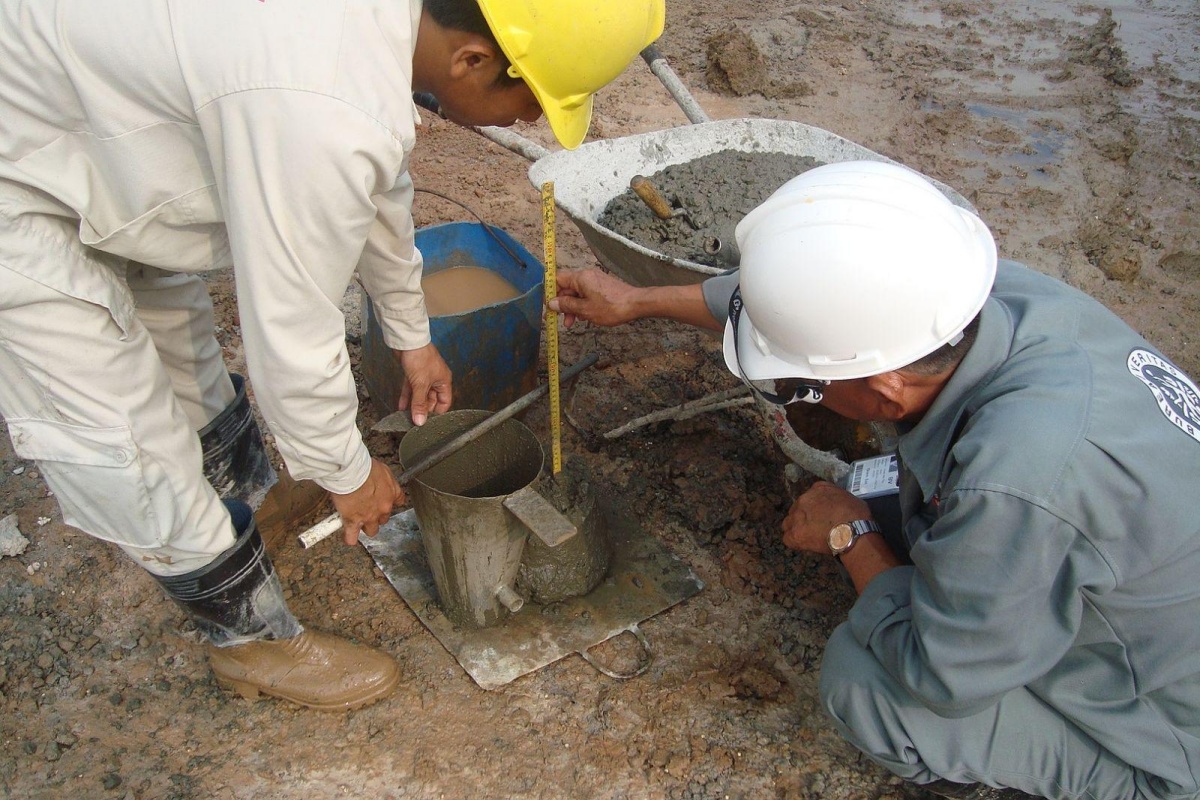
The term slump refers to the consistency and workability of fresh concrete. It is measured using a slump cone test, where concrete is filled into a cone-shaped mold and then allowed to collapse.
Low slump → stiff, dry mix
Medium slump → balanced workability
High slump → overly wet, fluid mix
While high slump improves flowability, it often signals too much water added on site, which disrupts the engineered water-cement ratio.
Why Too-Wet Concrete Becomes a Hidden Problem
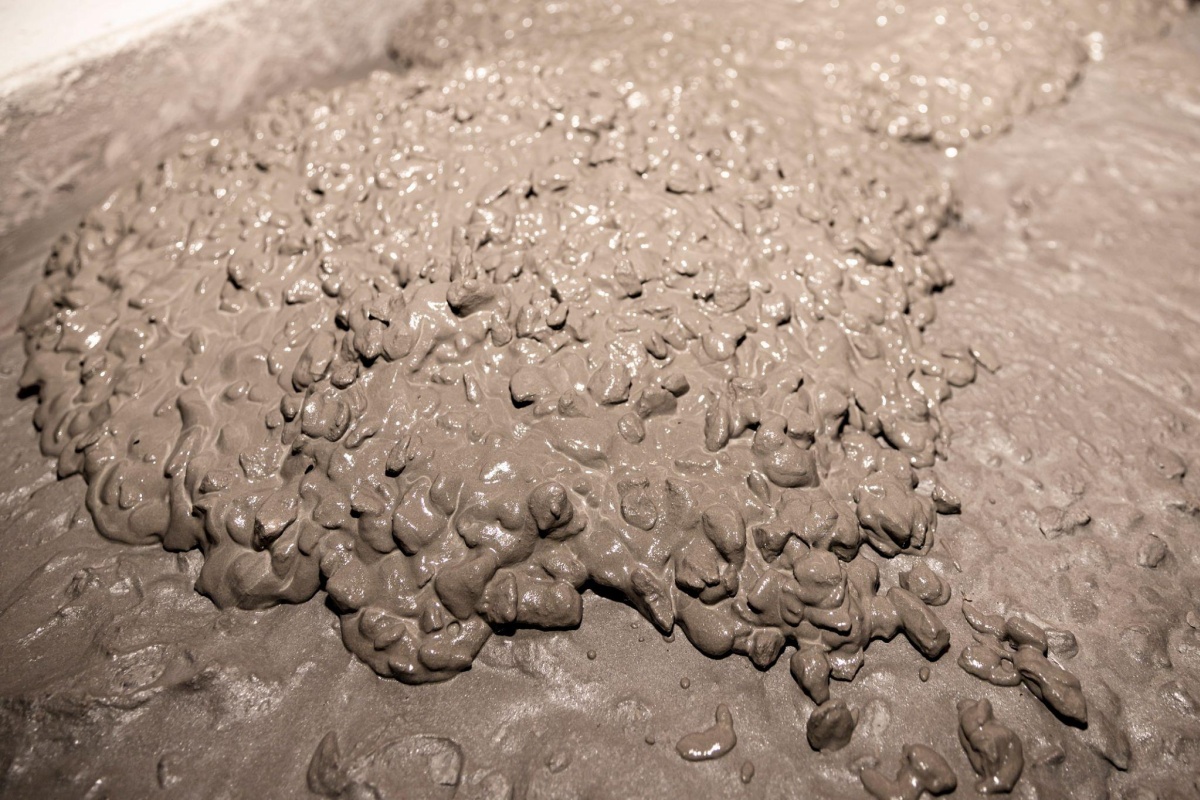
Excess water in concrete does not simply make it easier to pour—it fundamentally changes the internal structure of the mix.
When the water-cement ratio increases beyond design limits:
- Cement paste becomes diluted
- Aggregates begin to separate (segregation)
- Water rises to the surface (bleeding)
- Final strength decreases significantly
This weak structure is not only a structural risk but also a mechanical risk for equipment handled inside a mixer truck system.
How High Slump Damages the Mixer Drum
A mixer truck drum is designed to continuously tumble a well-balanced mixture. However, too-wet concrete disrupts this process in several ways:
1. Internal Coating and Build-Up
High slump mixes tend to separate inside the drum. Cement paste sticks to the inner walls and mixing blades, gradually forming hardened layers.
2. Increased Abrasion and Wear
As the drum rotates, uneven wet slurry creates inconsistent friction patterns, accelerating wear on steel surfaces and mixing fins.
3. Loss of Mixing Efficiency
Excess water reduces internal cohesion, meaning the drum must work harder to keep the mixture uniform, increasing energy consumption.
4. Corrosion Risk
Water-rich cement slurry increases chemical exposure time on metal surfaces, speeding up corrosion and fatigue.
Over time, these effects reduce both equipment lifespan and the mix quality consistency of the mixer truck drum system.
Operational Risks on Site
The consequences of high slump concrete are not limited to machinery—they extend directly to structural safety:
- Reduced compressive strength
- Increased cracking and shrinkage
- Poor surface finishing
- Delayed setting time
- Higher long-term maintenance costs
Even if the concrete is easy to pour, the final structure may fail to meet engineering specifications.
Why Operators Still Add Water On Site
Despite known risks, adding water on-site remains common practice due to:
- Long transport times in a mixer truck
- Hot weather conditions
- Desire for easier placement
- Lack of real-time quality control
However, this short-term convenience often leads to long-term damage in both structural performance and equipment health.
Best Practices for Controlling Slump
To prevent high slump-related failures, industry best practices include:
- Strict water addition control at batching plants
- Real-time moisture monitoring of aggregates
- On-site slump testing before pouring
- Operator training on mix consistency
- Regular mixer truck drum maintenance and cleaning
Modern batching systems increasingly use sensors and automation to reduce human error in water adjustment.
Conclusion
The science behind slump is not just about workability—it directly impacts both structural integrity and equipment durability. When too-wet concrete enters a mixer truck drum, it triggers a chain reaction of segregation, wear, and buildup that shortens machine life and compromises project quality.
Controlling water-cement ratio is therefore not optional—it is a core requirement for safe, efficient, and long-lasting concrete production.