
In modern construction, few machines are as essential as the Mixer Truck. From high-rise buildings to highways, bridges, and residential developments, concrete is the backbone of infrastructure—and mixer trucks are the vehicles that make its delivery possible. But what exactly is a mixer truck used for, and why is it so critical to construction efficiency?
At its core, a Mixer Truck is designed to transport freshly mixed concrete from a batching plant to a construction site while keeping the material in a continuously rotating drum. This rotation prevents the concrete from hardening prematurely and ensures it remains workable upon arrival.
The Role of a Mixer Truck in Construction
Concrete is a time-sensitive material. Once water is mixed with cement, chemical hydration begins immediately. If the material is not used within a specific time window, it begins to set and loses its structural usability.
This is where the Concrete Mixer Truck plays a vital role.
By continuously rotating the drum during transport, the truck ensures that the concrete remains evenly mixed and does not separate or harden. This allows construction teams to receive ready-to-use concrete directly at the job site, eliminating the need for on-site mixing in many cases.
How Mixer Trucks Work
A typical Cement Mixer Truck consists of three main components:
- A rotating drum
- A hydraulic drive system
- A discharge chute
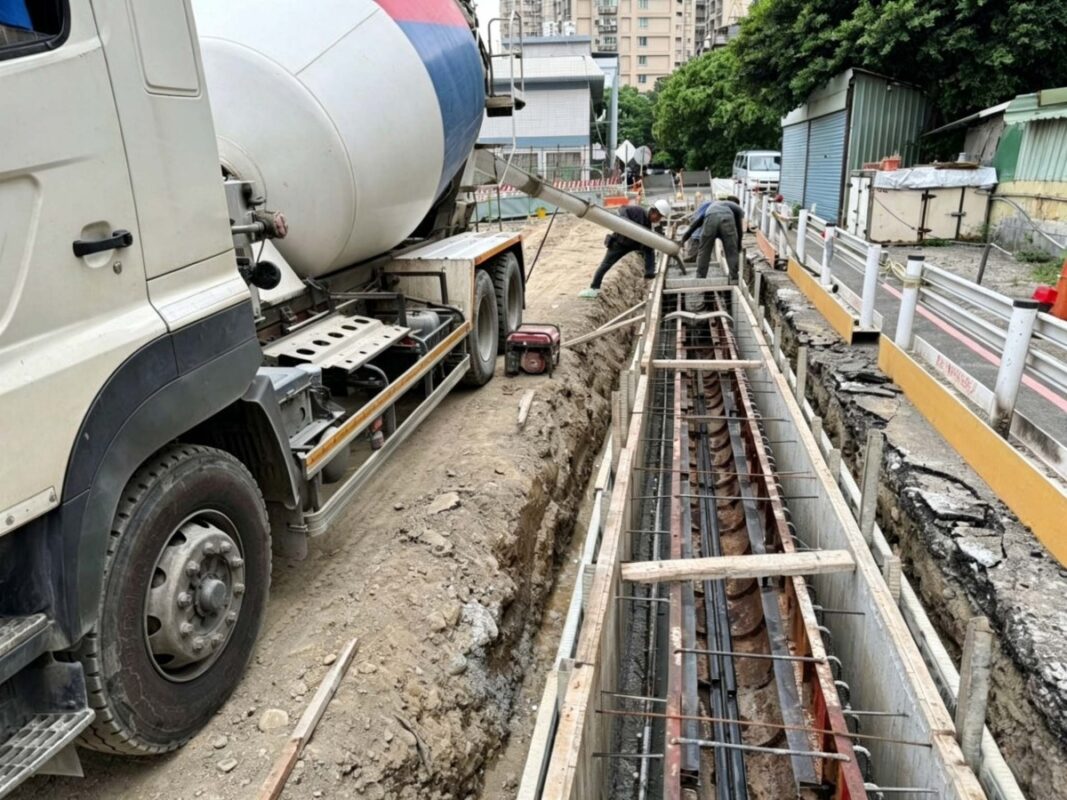
The drum is the most recognizable part of the truck. It is slightly inclined and continuously rotates during transit. Inside the drum are spiral blades that help mix the concrete and prevent it from separating.
The hydraulic system powers the rotation of the drum, allowing precise control over mixing speed and direction. When the truck reaches the construction site, the operator can reverse the drum rotation to discharge the concrete through a chute.
This controlled delivery process ensures that the material is placed exactly where it is needed, whether it is a foundation slab, column, roadway, or bridge structure.
Key Applications of Mixer Trucks
The versatility of the Ready Mix Concrete Truck makes it indispensable across multiple construction sectors.
Residential and Commercial Construction
In housing and commercial building projects, mixer trucks deliver concrete for foundations, floors, columns, and structural walls. Their ability to supply consistent, high-quality concrete helps ensure structural integrity and project efficiency.
Infrastructure Projects
Large-scale infrastructure projects such as highways, bridges, tunnels, and airports rely heavily on Mixer Trucks to deliver large volumes of concrete efficiently.
These projects often require continuous pouring to maintain structural strength, making timely delivery critical. Mixer trucks enable synchronized supply chains between batching plants and construction zones, ensuring that concrete is delivered exactly when needed.
Urban Development
In dense urban environments, space and time are limited. Mixer trucks allow contractors to deliver concrete directly to confined job sites without requiring on-site mixing equipment, reducing noise, dust, and logistical complexity.

Advantages of Using Mixer Trucks
The widespread use of Concrete Mixer Trucks is driven by several key advantages:
- Consistent Quality: Factory-controlled batching ensures uniform concrete quality.
- Time Efficiency: Eliminates the need for on-site mixing in most projects.
- Reduced Waste: Minimizes material loss and overproduction.
- Improved Workability: Continuous mixing keeps concrete in optimal condition.
- High Delivery Capacity: Large drums allow transport of significant volumes per trip.
These benefits make mixer trucks a cost-effective and reliable solution for modern construction operations.
Importance in Modern Construction Logistics
Construction projects today operate on tight schedules and strict quality standards. Delays in concrete delivery can disrupt entire workflows, especially in large-scale infrastructure developments where continuous pouring is required.
The Ready Mix Concrete Truck serves as a critical link between production and application. It ensures that materials produced at batching plants are delivered in the right condition, at the right time, and in the right quantity.
Without mixer trucks, many modern construction techniques—such as continuous slab pouring or rapid urban development—would be significantly less efficient

Safety and Operational Considerations
Operating a Mixer Truck requires careful attention to safety and timing. Drivers must coordinate closely with site engineers to ensure proper placement of concrete. Additionally, the rotating drum and heavy load require skilled handling, especially in urban or uneven terrain conditions.
Modern mixer trucks are often equipped with advanced hydraulic controls, rear-view cameras, and stability systems to improve operational safety and precision during unloading.
The Future of Mixer Trucks
As construction technology continues to evolve, mixer trucks are also becoming more advanced. Innovations such as automated mixing control systems, fuel-efficient engines, and even electric-powered models are beginning to emerge in the industry.
These advancements aim to reduce environmental impact while improving efficiency and performance. In the future, Mixer Trucks are expected to play an even greater role in sustainable construction practices.
Conclusion
The Mixer Truck is far more than just a transport vehicle—it is a critical component of the global construction ecosystem. Ensuring that concrete remains fresh, consistent, and ready for use, it enables everything from small residential buildings to massive infrastructure projects.
As cities grow and construction demands increase, the importance of reliable Concrete Mixer Trucks will only continue to rise, making them one of the most essential machines in modern engineering.