Cargo trucks serve as the backbone of modern logistics, facilitating the movement of goods across cities, countries, and continents. These versatile vehicles come in various configurations—from rugged dump trucks hauling construction debris to enclosed box trucks transporting delicate merchandise. Whether for short-distance deliveries or cross-country freight, cargo trucks ensure supply chains remain efficient and economies functional. Below, we explore their primary functions, specialized designs, and critical roles in different industries—with insights into how businesses leverage platforms like vantrucktrailer.com to source reliable commercial vehicles.
1. Defining the Cargo Truck: Core Functions and Design
A cargo truck is a motor vehicle explicitly engineered to transport goods rather than passengers. Unlike standard consumer vehicles, these trucks prioritize payload capacity, durability, and adaptability to diverse terrains and cargo types.
Key Characteristics of Cargo Trucks
- Heavy-Duty Chassis: Built to withstand substantial weight, often reinforced with high-tensile steel.
- Customizable Cargo Areas: Configurations include open beds (for dump trucks), enclosed van bodies (for box trucks), or specialized trailers.
- Fuel Efficiency & Power: Modern models integrate turbocharged diesel engines or electric drivetrains for long-haul efficiency.
From agriculture to e-commerce, these vehicles bridge gaps between manufacturers, warehouses, and end consumers—ensuring timely deliveries even in demanding conditions.
2. Common Types of Cargo Trucks and Their Specializations
A. Box Trucks: Secure and Weatherproof Transport
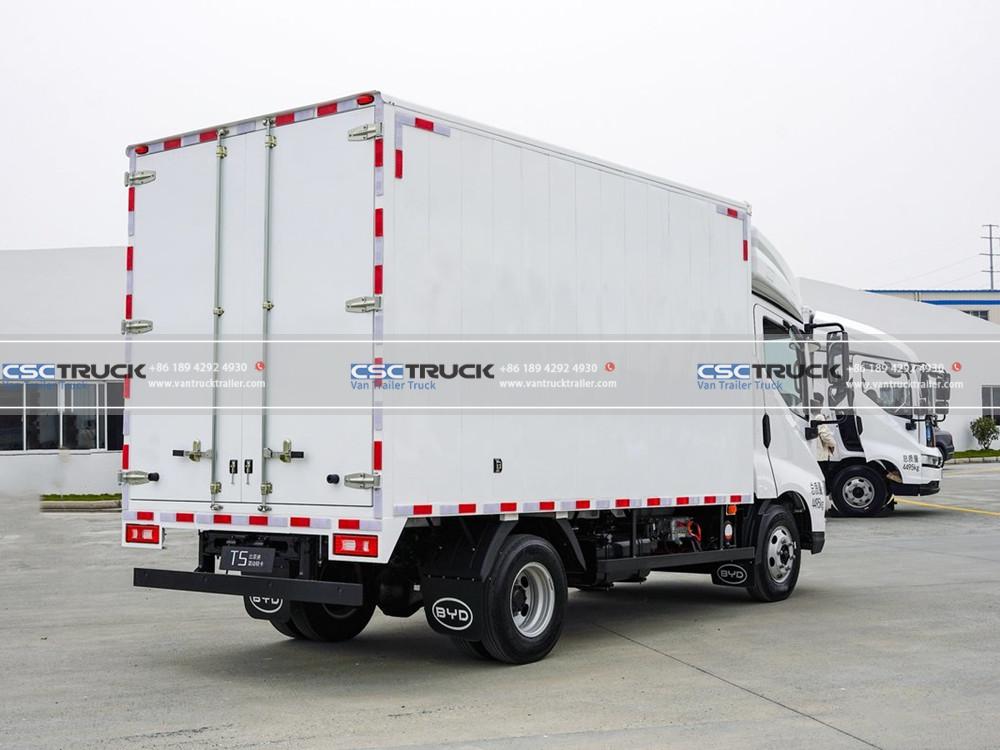
Enclosed box trucks—ranging from 10 to 26 feet in length—are ideal for moving furniture, electronics, or perishable goods. Their rigid aluminum or fiberglass bodies protect cargo from theft and environmental damage, making them a staple for:
- Last-mile delivery services (e.g., Amazon, FedEx)
- Refrigerated transport (for pharmaceuticals or food)
- Retail inventory redistribution
B. Dump Trucks: Heavy Material Hauling
Recognizable by their hydraulic lift beds, dump trucks excel in construction, mining, and agriculture. Key variants include:
- Standard dump trucks (single-axle for urban projects)
- Articulated dump trucks (off-road capabilities for mining)
- Transfer dump trucks (detachable trailers for bulk materials)
Their ability to unload quickly via tilting mechanisms saves labor costs and time on job sites.
C. Flatbed and Semi-Trailer Trucks
Open-design flatbeds accommodate oversized loads like steel beams or machinery, while semi-trailers (attached via fifth wheels) dominate interstate freight.
3. Industries That Rely Heavily on Cargo Trucks
A. Construction and Infrastructure Development
From transporting gravel to delivering prefabricated structures, dump trucks and flatbeds keep projects on schedule. Their robustness handles uneven terrain at sites, while specialized models like concrete mixers support real-time material delivery.
B. Retail and E-Commerce Logistics
The rise of online shopping has amplified demand for box trucks, which navigate urban areas to fulfill same-day deliveries. Temperature-controlled variants also ensure groceries and medicines arrive intact.
C. Agriculture and Bulk Goods Transport
Grain carriers, livestock trailers, and dump trucks (for fertilizers or harvested crops) sustain farm-to-market supply chains.
4. Technological Advancements in Cargo Truck Design
Modern cargo trucks integrate cutting-edge innovations to enhance safety, efficiency, and sustainability:
- Telematics Systems: GPS tracking and real-time diagnostics optimize fleet management.
- Electric and Hybrid Models: Companies like Tesla and Volvo are reducing carbon footprints with battery-powered box trucks.
- Autonomous Driving Features: Platooning technology (for semi-trailers) and AI-assisted braking improve long-haul safety.
These advancements lower operational costs while meeting stricter emissions regulations globally.
5. How to Choose the Right Cargo Truck for Your Business
A. Assess Payload and Volume Requirements
A small box truck (e.g., 14–16 ft) suffices for local deliveries, whereas a dump truck with a 20-ton capacity suits mining operations.
B. Consider Fuel Type and Operating Costs
Electric trucks offer long-term savings but require charging infrastructure, while diesel remains reliable for remote areas.
C. Explore Customization Options
Platforms like vantrucktrailer.com provide tailored solutions—whether adding lift gates to a box truck or reinforcing a dump truck’s bed for abrasive materials.
6. The Future of Cargo Trucks: Trends to Watch
As automation and green energy reshape logistics, expect:
- Increased Adoption of Autonomous Freight Trucks: Pilot programs by Waymo and TuSimple hint at driverless convoys by 2030.
- Modular Truck Designs: Swappable cargo units (e.g., converting a box truck into a refrigerated van in minutes).
- Hydrogen-Powered Heavy Haulers: Zero-emission dump trucks for sustainable mining.
For businesses seeking reliable box trucks, dump trucks, or specialty trailers, resources like vantrucktrailer.com streamline procurement with verified listings and fleet management tools.