

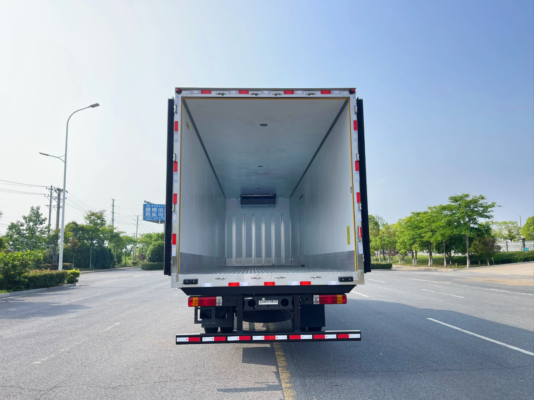
Refrigerated trucks play a critical role in the modern food supply chain. Without them, the variety, safety, and availability of food that consumers take for granted would be severely limited. From fresh produce to dairy, meat, seafood, and frozen goods, these temperature‑controlled vehicles ensure that perishable products move efficiently from farms, factories, and ports to retailers, restaurants, and ultimately consumers.
Below are the key reasons why refrigerated trucks are indispensable.
1. Maintaining Food Safety
The most fundamental reason for using refrigerated trucks is food safety. Many food products are highly susceptible to bacterial growth when stored at improper temperatures. Pathogens such as Salmonella, Listeria, and E. coli can multiply rapidly in the “danger zone”—typically between 40°F (4°C) and 140°F (60°C).
Refrigerated trucks maintain precise temperature ranges:
Refrigerated: 32°F to 40°F (0°C to 4°C) for fresh produce, dairy, and meat
Frozen: 0°F (-18°C) or lower for ice cream, frozen meats, and seafood
By keeping products out of the danger zone throughout transit, reefers prevent spoilage and reduce the risk of foodborne illness.
2. Extending Shelf Life
Temperature control dramatically slows the natural processes of decay, including enzymatic activity, moisture loss, and microbial growth. A head of lettuce, for example, may wilt within hours at ambient temperatures but can remain fresh for over a week when transported and stored at the correct temperature.
This extension of shelf life has profound implications:
- Reduces food waste across the supply chain
- Allows for longer distribution distances
- Enables bulk purchasing and inventory management
Without refrigerated transport, retailers and consumers would face significantly shorter windows to use perishable goods, leading to higher waste and increased costs.
3. Enabling Global and Year‑Round Trade
Refrigerated trucks are a cornerstone of global food distribution. They allow products harvested in one region—or even one country—to be shipped across continents and sold in markets thousands of miles away.
For instance:
- Berries from South America can reach North American supermarkets in winter.
- Seafood caught off the coast of Europe can be delivered fresh to inland cities.
- Dairy products from one region can supply national retail chains.
This capability ensures that consumers enjoy a diverse, year‑round selection of foods regardless of seasonal limitations or local growing conditions.
4. Preserving Nutritional Quality and Appearance
Beyond safety, temperature control preserves the nutritional value, texture, flavor, and appearance of food. Many vitamins, such as vitamin C and certain B vitamins, degrade rapidly when exposed to heat. Fresh fruits and vegetables also lose crispness, color, and flavor without proper cooling.
For premium products—such as high‑grade seafood, organic produce, or specialty cheeses—consistent temperature management is essential to delivering the quality that customers expect. A broken cold chain can result in rejected shipments, financial loss, and damage to a brand’s reputation.
5. Meeting Regulatory and Industry Standards
In most countries, food transport is subject to strict regulations that require carriers to maintain proper temperatures, clean equipment, and document conditions during transit.
Refrigerated trucks equipped with:
- Temperature monitoring systems
- Data loggers
- Real‑time GPS tracking
help carriers comply with these regulations. Proper documentation also provides traceability, which is critical during recalls or inspections.
6. Supporting Specialized Food Sectors
Certain segments of the food industry rely entirely on refrigerated transport:
Pharmaceutical and biologics: Although not food, many of the same reefer fleets transport temperature‑sensitive medicines and vaccines.
Floral industry: Cut flowers require cool temperatures to remain fresh during distribution.
Catering and airlines: In‑flight meals and large‑scale catering depend on reefers to maintain quality from central kitchens to final service.
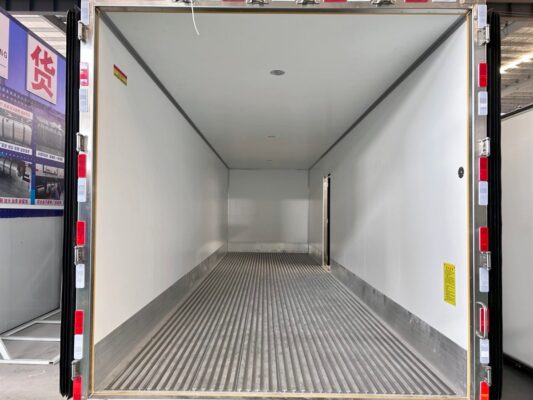
Even within food, specialized requirements exist—such as dual‑temperature refrigerated trucks that carry frozen and refrigerated items in separate compartments on the same vehicle.
7. Reducing Economic Loss
The economic stakes in food transport are high. A single load of perishable goods can represent thousands of dollars in product value. Without refrigerated trucks, spoilage rates would skyrocket, leading to:
- Higher costs for producers and distributors
- Increased prices for consumers
- Waste of resources used in production, including water, labor, and energy
By delivering products in optimal condition, reefers protect the investment of everyone in the supply chain—from farmers to retailers.
Conclusion
Refrigerated trucks are far more than insulated boxes on wheels. They are an essential link in the food supply chain, ensuring that perishable products arrive safe, fresh, and high in quality. They enable global commerce, reduce waste, protect public health, and support a level of dietary variety that has become a hallmark of modern life.
Whether delivering fresh produce from a local farm or transporting frozen seafood across international borders, refrigerated trucks make it possible for consumers to enjoy food that is both safe and nutritious—any time of the year.
If you are looking for refrigerated trucks or other commercial vehicles, feel free to contact us. CSCTRUCK VanTruckTrailer also offers a wide range of models, including cargo trucks and dump trucks. All vehicles can be customized to meet your diverse operational needs.