
When purchasing a concrete mixer truck, most buyers focus on the drum capacity, chassis brand, or engine power. However, one of the most important components is often overlooked—the hydraulic system.
The hydraulic system is the “heart” of a concrete mixer truck. It drives the mixing drum, controls its rotation speed, and ensures smooth concrete discharge. A well-designed hydraulic system keeps the drum rotating steadily throughout transport, helping maintain concrete quality while reducing downtime and maintenance costs.
In this article, we’ll explain why the hydraulic system is so important, the key components that determine its performance, and what buyers should look for when choosing a reliable concrete mixer truck.
1. Why Is the Hydraulic System So Important?
Unlike ordinary cargo trucks, a concrete mixer truck must keep the drum rotating continuously during transportation. If the drum stops or rotates unevenly, the concrete may begin to segregate or harden before reaching the job site.
A reliable hydraulic system helps to:
- Maintain smooth and continuous drum rotation
- Keep concrete evenly mixed during transport
- Deliver stable unloading performance
- Reduce component wear
- Improve overall operating efficiency
Simply put, the better the hydraulic system, the more reliable the mixer truck will be in daily operation.
2. The Four Core Components of a Hydraulic System
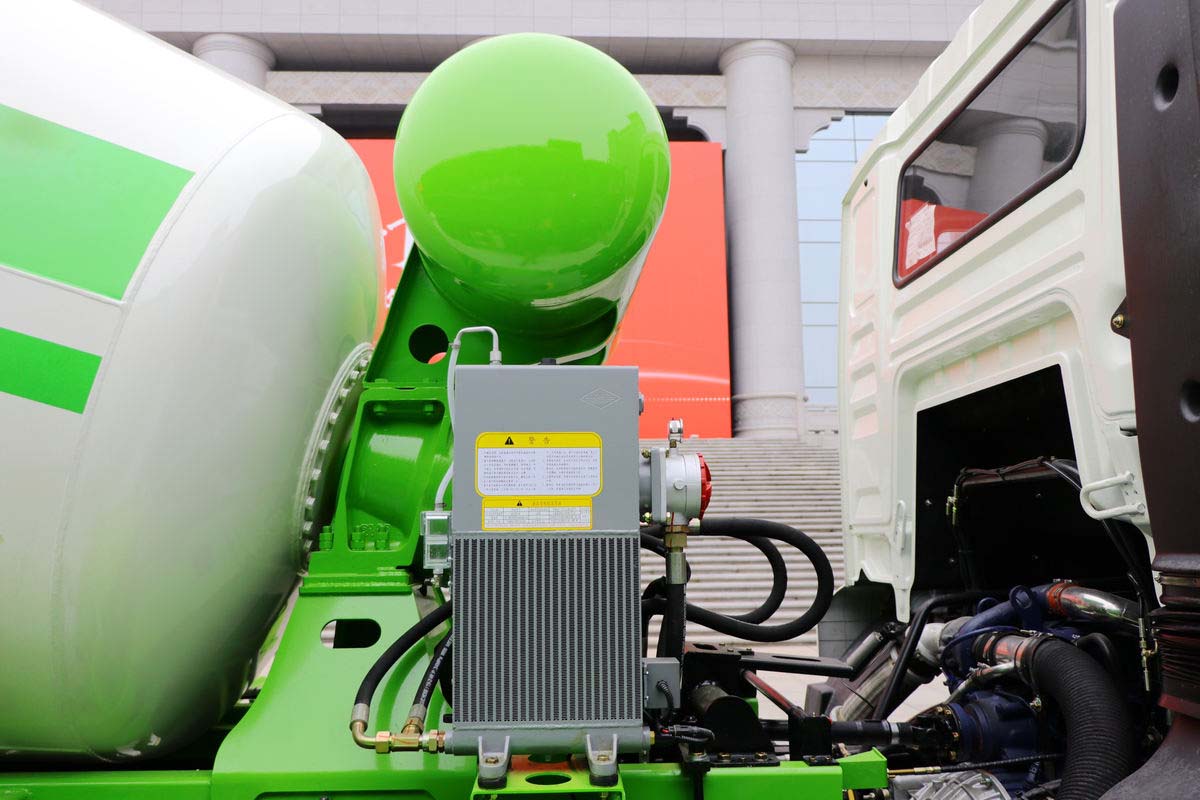
A concrete mixer truck‘s hydraulic system consists of four major components working together.
Hydraulic Pump
The hydraulic pump converts engine power into hydraulic pressure, supplying oil flow throughout the system. A high-quality pump provides stable pressure, quick response, and reliable performance during continuous operation.
Hydraulic Motor
The hydraulic motor transforms hydraulic energy into mechanical power, driving the mixing drum at a consistent speed. Smooth drum rotation helps maintain concrete quality and reduces vibration.
Planetary Reducer
The planetary reducer lowers rotational speed while increasing torque, allowing the drum to rotate steadily even when fully loaded. A durable reducer improves transmission efficiency and extends the service life of the drivetrain.
Hydraulic Valves and Seals
Hydraulic valves regulate oil flow and system pressure, while premium seals prevent oil leakage. High-quality valves and sealing components help ensure stable operation and reduce maintenance requirements.
3. Premium Hydraulic Components Make the Difference
Not all hydraulic systems are built to the same standard.
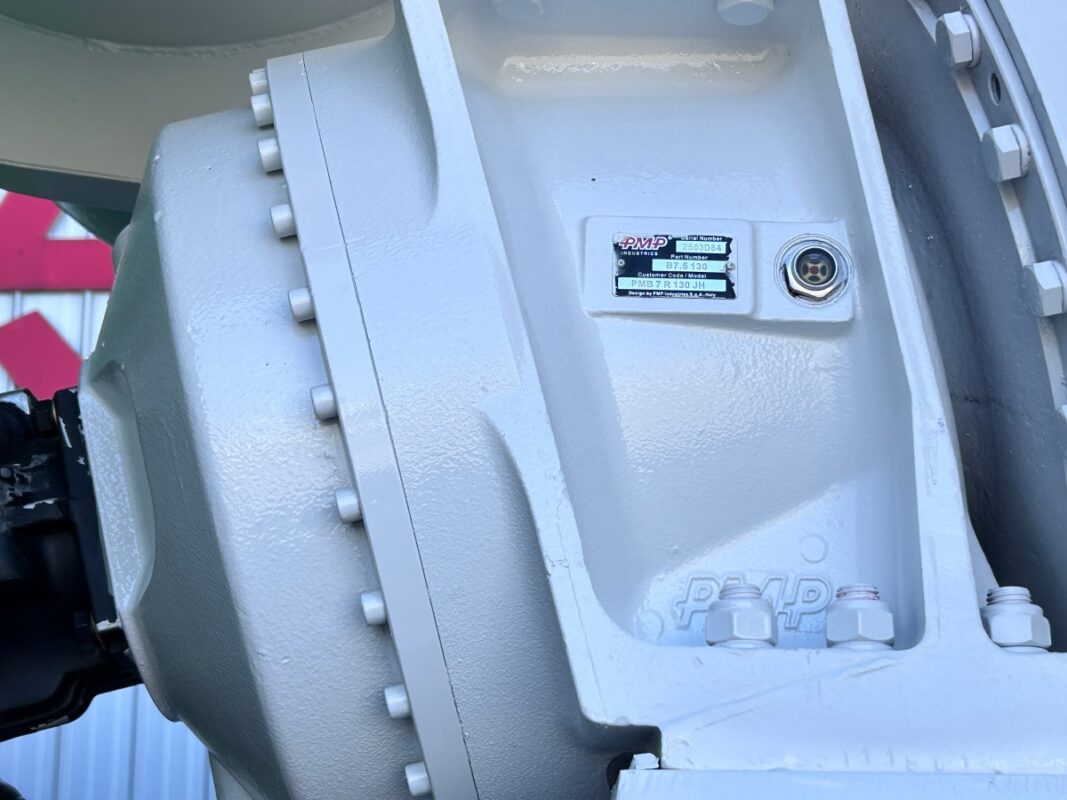
Many manufacturers offer hydraulic components from internationally recognized brands such as PMP, Rexroth, Eaton, and others, depending on customer requirements.
Premium hydraulic components offer several advantages:
- Smoother drum rotation
- Lower operating noise
- Higher transmission efficiency
- Longer service life
- Easier maintenance and spare parts availability
Although they may increase the initial purchase cost, high-quality hydraulic components often reduce maintenance expenses and improve long-term reliability.
4. Leak-Free Design Improves Reliability
Hydraulic oil leakage is one of the most common causes of mixer truck downtime.
A well-designed hydraulic system should include:
- High-pressure hydraulic hoses
- Premium sealing components
- Precision-machined hydraulic fittings
- Optimized hose routing to reduce vibration and wear
These features help maintain stable hydraulic pressure, minimize oil loss, and ensure reliable operation even in demanding construction environments.
5. Factory Testing Ensures Reliable Performance
A high-quality hydraulic system should be thoroughly tested before the truck leaves the factory.
Typical inspections include:
- Hydraulic pressure testing
- Drum rotation testing
- Oil leakage inspection
- Full-load operating test
- Hydraulic pipeline inspection
- Final functional verification
Comprehensive testing helps identify potential issues early, ensuring the mixer truck is ready for reliable operation from day one.
6. Easy Maintenance Means Lower Operating Costs
Reliability doesn’t stop at performance—it also depends on how easy the system is to maintain.
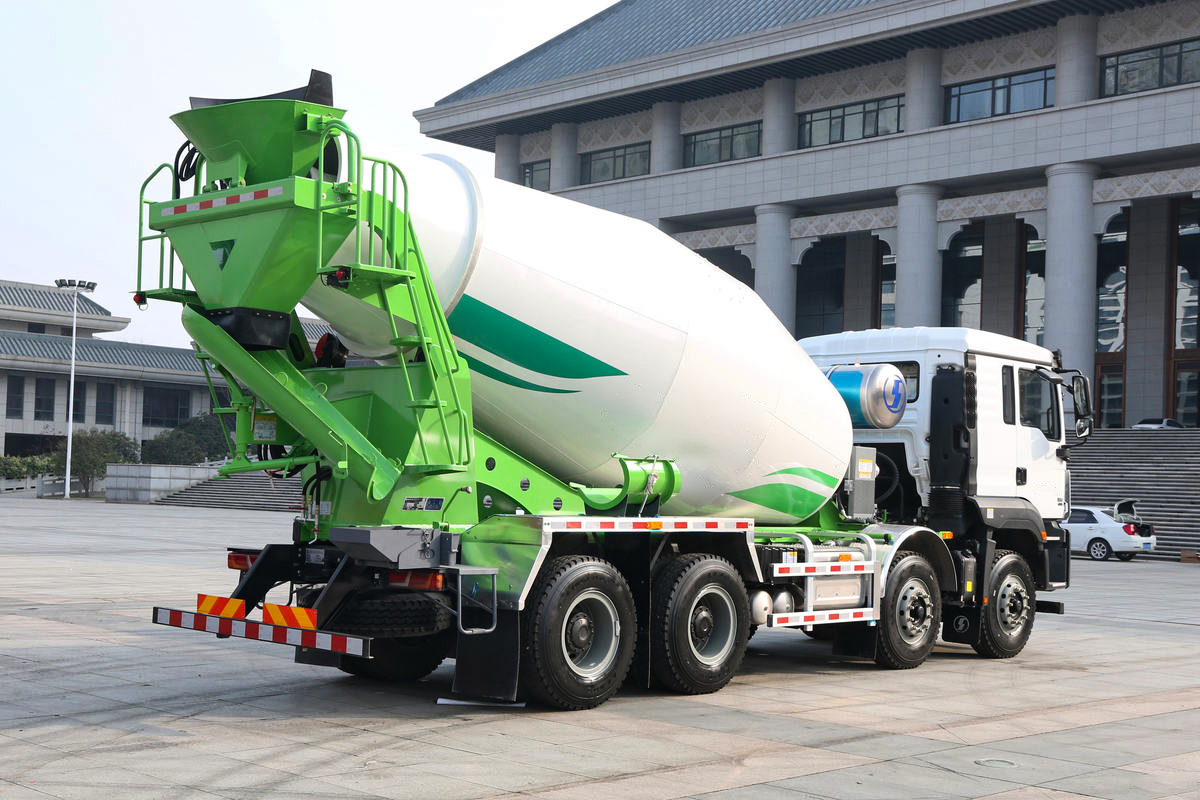
A well-designed hydraulic layout allows technicians to quickly inspect pumps, motors, hoses, and fittings, reducing maintenance time and minimizing downtime. Readily available replacement parts further simplify servicing and help keep operating costs under control.
Conclusion
The hydraulic system is the driving force behind every concrete mixer truck. From rotating the drum and maintaining concrete consistency to ensuring smooth unloading, its performance directly affects productivity, reliability, and long-term operating costs.
When evaluating a mixer truck, buyers should look beyond drum capacity and engine specifications. The quality of the hydraulic pump, motor, reducer, valves, seals, and overall system design can make a significant difference in the truck’s performance and service life.
CSCTRUCK manufactures a complete range of concrete mixer trucks with customizable hydraulic systems, chassis configurations, and drum capacities to meet different project requirements. Whether you need a standard mixer or a fully customized solution, contact CSCTRUCK to find the right truck for your business.