
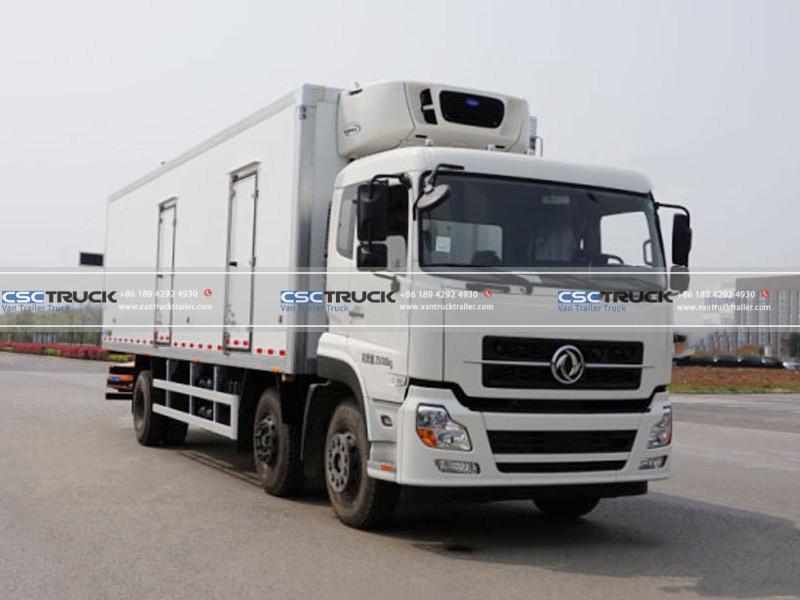
As global demand for fresh and temperature-sensitive products continues to rise, Costa Rica is reinforcing its cold chain logistics network by expanding the use of modern refrigerated truck delivery. Known for its strong agricultural exports and growing pharmaceutical sector, Costa Rica relies heavily on efficient temperature-controlled transportation to maintain product quality from production sites to domestic markets and international ports.
The introduction of advanced refrigerated trucks is playing a crucial role in preserving freshness, ensuring regulatory compliance, and enhancing the country’s supply chain reliability.
Supporting Costa Rica’s Agricultural Export Powerhouse
Costa Rica is one of the world’s leading exporters of fresh produce, including bananas, pineapples, coffee, and seafood. These products are highly sensitive to temperature fluctuations and require consistent cooling during transportation.
Refrigerated trucks help:
- Maintain stable temperature ranges from the farm to the distribution center
- Reduce spoilage and post-harvest losses
- Preserve product texture, flavor, and shelf life
- Ensure compliance with international export standards
By strengthening the cold chain at the ground transportation level, exporters can confidently deliver high-quality goods to overseas markets in North America, Europe, and beyond.

Enabling Growth in the Pharmaceutical Sector
Beyond agriculture, Costa Rica has developed a strong reputation as a manufacturing hub for medical devices and pharmaceuticals. Many of these products require strict temperature control to maintain efficacy and safety.
Modern refrigerated trucks equipped with digital temperature monitoring systems allow logistics providers to:
- Track temperature conditions in real time
- Generate compliance reports for regulatory authorities
- Minimize risks during long-distance transport
This level of control is essential for meeting global health and safety requirements, particularly when shipping sensitive medical products.
Enhancing Domestic Food Distribution
Cold chain logistics is equally important within Costa Rica’s domestic market. Supermarkets, restaurants, and food processing companies depend on reliable refrigerated transport to distribute dairy, meat, frozen foods, and beverages across urban centers such as San José.
With improved refrigerated truck fleets, distributors can:
- Optimize delivery schedules
- Maintain product integrity in tropical climates
- Reduce waste and inventory losses
In a country where warm temperatures prevail year-round, dependable refrigeration technology is vital for food safety.
Technological Advancements Driving Efficiency
New-generation refrigerated trucks feature advanced insulation materials, energy-efficient cooling units, and intelligent control systems. Some models incorporate:
- Multi-temperature compartments for mixed cargo
- GPS-enabled fleet management
- Fuel-saving refrigeration units
- Backup power systems for uninterrupted cooling
These innovations not only improve operational reliability but also lower fuel consumption and carbon emissions, aligning with Costa Rica’s sustainability goals.
Strengthening the National Supply Chain
Reliable refrigerated transportation enhances the overall resilience of Costa Rica’s logistics infrastructure. By minimizing temperature deviations and reducing spoilage, companies can cut costs and improve delivery performance.
Moreover, strong cold chain capabilities increase Costa Rica’s competitiveness in global trade. International buyers prioritize suppliers who can guarantee product consistency and traceability, making modern refrigerated truck delivery a strategic investment.
Cold chain logistics does not operate independently but as part of a broader transportation network. In Costa Rica’s supply chain, refrigerated trucks often work alongside dry van trucks and standard cargo trucks to ensure smooth distribution flows. While refrigerated units handle perishable food, seafood, and pharmaceutical products under strict temperature control, dry van trucks are typically used for transporting non-perishable goods such as packaging materials, dry food items, and retail supplies. Cargo trucks, meanwhile, support bulk transport between farms, processing facilities, and distribution hubs.
By assigning temperature-sensitive and non-sensitive goods to the appropriate vehicle types, logistics operators can optimize fleet utilization, reduce operating costs, and maintain cold chain integrity. This coordinated fleet strategy strengthens overall efficiency and enhances the reliability of Costa Rica’s national supply network.
Looking Ahead
As Costa Rica continues to expand its export industries and domestic retail sector, demand for efficient cold chain logistics will only grow. The adoption of high-performance refrigerated trucks represents more than a fleet upgrade—it is a foundation for economic stability, food security, and international trade success.
With continued investment in temperature-controlled transport and smart logistics systems, Costa Rica is well-positioned to strengthen its role as a reliable supplier in global markets while ensuring safe and high-quality products for its own population.