
In many developing regions, livestock farming is more than just an industry — it is the backbone of food security, rural income, and economic growth. In Southeast Asia and across Africa, millions of families rely on cattle, goats, sheep, and poultry for their livelihoods. While much attention is often given to breeding, feeding, and disease control, one stage of the supply chain has historically received less focus: transportation.
Transport is a short part of an animal’s life, but it has a significant impact on welfare, product quality, and farmer income. Traditional cargo trucks were often used to move animals, but they were not designed for livestock, leading to stress, injury, and sometimes death. Today, livestock trucks are changing this picture and raising animal welfare standards across the regions.
The Challenge of Livestock Transportation
Transporting livestock in tropical and subtropical climates presents unique challenges. High temperatures, humidity, long distances between rural farms and urban markets, and inconsistent road conditions all increase stress for animals.
In the past, farmers often loaded animals directly onto cargo trucks that lacked proper ventilation, space, or protective barriers. Overcrowding was common, especially during peak market seasons. Animals could lose balance on uneven roads, suffer injuries, or become dehydrated during long journeys. In extreme cases, mortality during transport led to financial losses for farmers and traders.
Beyond the ethical concern, poor transportation directly affects meat quality. Stress before slaughter can cause weight loss, bruising, and reduced tenderness. For producers aiming to compete in export markets, these issues limit growth opportunities.

Modern Livestock Trucks Make a Difference
Over the last decade, awareness of animal welfare has grown significantly. Governments, agribusiness companies, and international development agencies have started investing in better transport solutions. Modern livestock trucks are now being introduced in many parts of Southeast Asia and Africa, offering practical and measurable improvements.
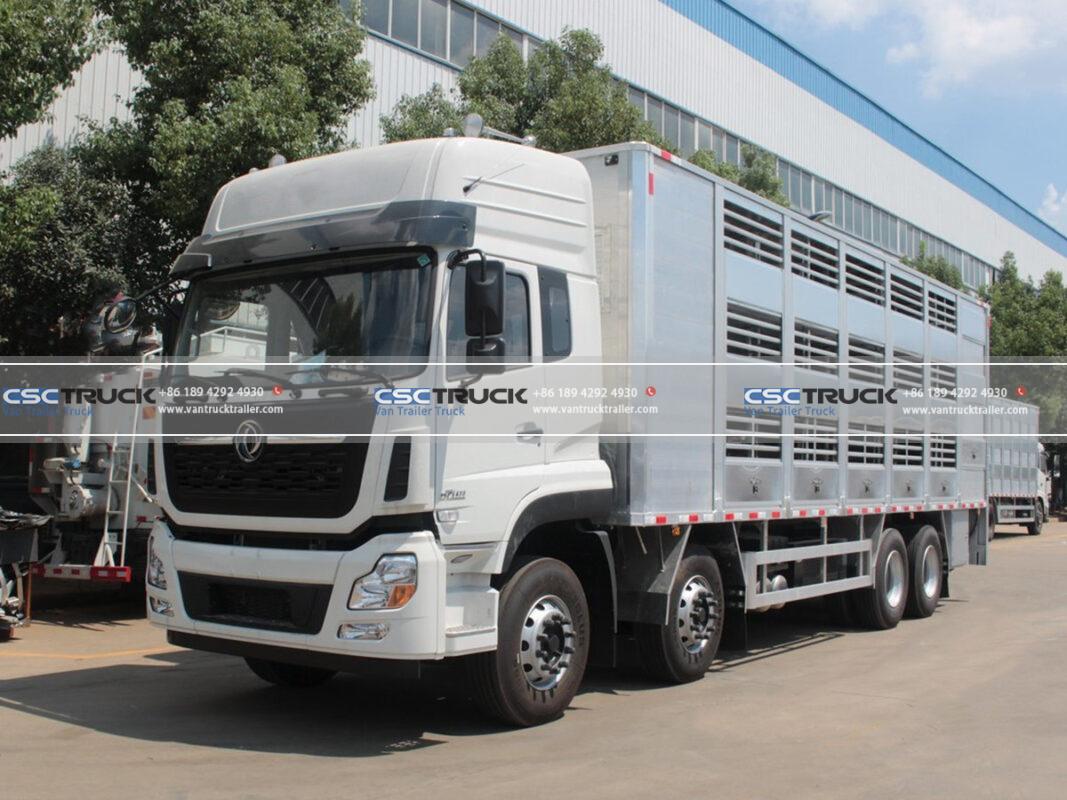
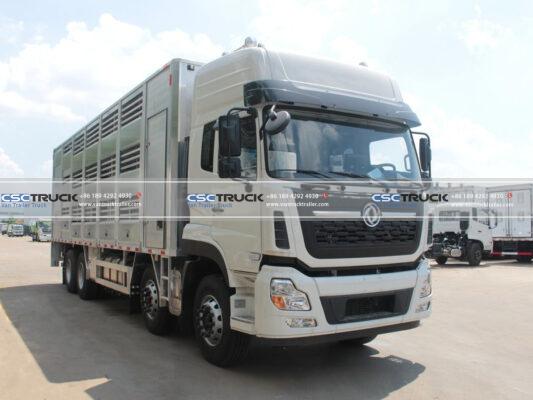
Unlike traditional cargo trucks, livestock trucks are specifically designed to ensure animal safety and comfort. They include structured compartments, proper ventilation, non-slip flooring, and sometimes built-in watering systems. These trucks focus on reducing stress and injury throughout the journey.
Key Features That Improve Animal Welfare
Ventilation System
Livestock trucks provide proper airflow, reducing heat stress in hot climates. Even if a journey takes hours or days, animals can breathe comfortably and avoid suffocation.
Adequate Space and Partitions
Overcrowding is a major source of injury and stress. Livestock trucks use adjustable partitions to separate animals by size or species. Animals can stand naturally, maintain balance, and avoid fights or falls.
Non-Slip Flooring
Slippery surfaces in cargo trucks used previously caused broken legs and bruises. Livestock trucks use textured or rubberized floors, which protect animals from injuries during transport on bumpy roads.
Watering Systems
Long trips can cause dehydration. Many livestock trucks include water dispensers, ensuring animals stay hydrated and healthy.
Temperature Monitoring
Advanced livestock trucks may have sensors to monitor heat and humidity in real time. Drivers can make adjustments to ensure optimal conditions.

International Standards and Training
The improvement of livestock transport is also supported by global guidelines. The World Organisation for Animal Health (WOAH) provides detailed recommendations for humane animal transport. These include loading density, rest intervals, ventilation requirements, and driver training.
In Southeast Asia and Africa, governments and NGOs are increasingly providing training programs for drivers and farmers. They learn low-stress handling techniques, proper loading and unloading, and emergency measures. Modern livestock trucks combined with trained personnel create a safer, more humane transport system.
Benefits Beyond Animal Welfare
Better transport benefits farmers, traders, and consumers:
- Economic gains: Healthier animals mean less weight loss, fewer injuries, and better market prices.
- Improved meat quality: Reduced stress ensures tender, high-quality meat.
- Trade opportunities: Countries with higher welfare standards can access premium international markets.
- Sustainability: Lower mortality reduces wasted feed, water, and labor, supporting long-term productivity.
Investing in livestock trucks is not only ethical but also a smart business. Even replacing old cargo trucks with trucks designed for animals can deliver measurable benefits.
Challenges and the Road Ahead
Despite progress, challenges remain. Livestock trucks are more expensive than cargo trucks, and infrastructure limitations, such as poor roads, can still stress animals. However, development banks, public-private partnerships, and micro-financing programs are helping small farmers and transporters access these vehicles.
As awareness grows and the benefits become clearer, livestock trucks are likely to become the standard for animal transport in Southeast Asia and Africa. The shift from using generic cargo trucks to specialized trucks represents a major step toward more humane, safe, and sustainable livestock farming.
Conclusion
Livestock trucks are transforming animal transportation in Southeast Asia and Africa. With better design, improved regulations, and trained drivers, animals are transported more safely and comfortably. This leads to healthier livestock, higher-quality products, economic benefits for farmers, and long-term sustainability for the industry.
Replacing cargo trucks with livestock trucks may seem like a small change, but it is making a huge difference — proving that when technology meets compassion, everyone benefits: farmers, businesses, consumers, and most importantly, the animals themselves.