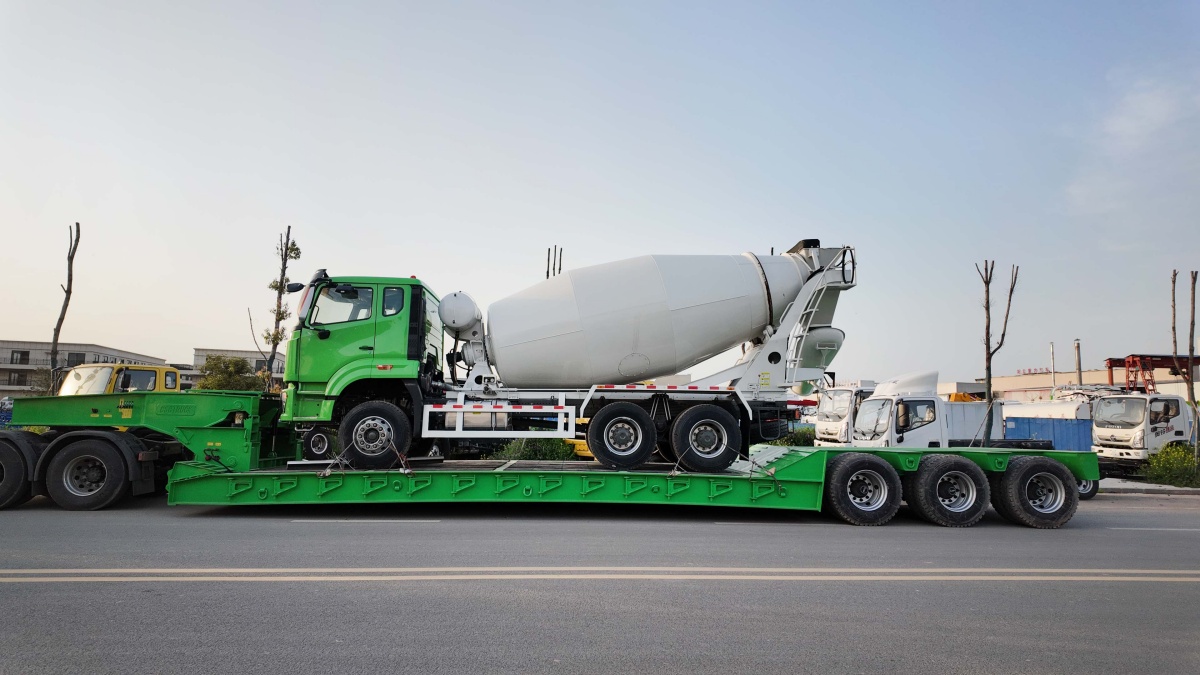
The development and modernization of port infrastructure are essential for supporting international trade and economic growth. In countries such as Yemen, port facilities require specialized equipment to improve cargo handling efficiency and expand operational capacity. Transporting these oversized and heavy machines presents unique logistical challenges, making Lowbed Trailers: Logistics of Port Equipment Delivery to Yemen a critical topic in the heavy transportation industry.
Lowbed semi-trailers have become one of the most reliable solutions for moving large port equipment from manufacturing facilities and shipping terminals to their final destinations.
Why Port Equipment Requires Specialized Transportation
Port operations rely on a wide range of heavy machinery, including:
- Container handlers
- Reach stackers
- Mobile harbor cranes
- Forklifts
- Rubber-tired gantry cranes
- Terminal tractors
- Cargo trucks
These machines are often oversized, extremely heavy, and difficult to transport using conventional freight vehicles. Their dimensions frequently exceed standard road transportation limits, requiring specialized hauling solutions.
This is where Lowbed Trailers play a vital role.
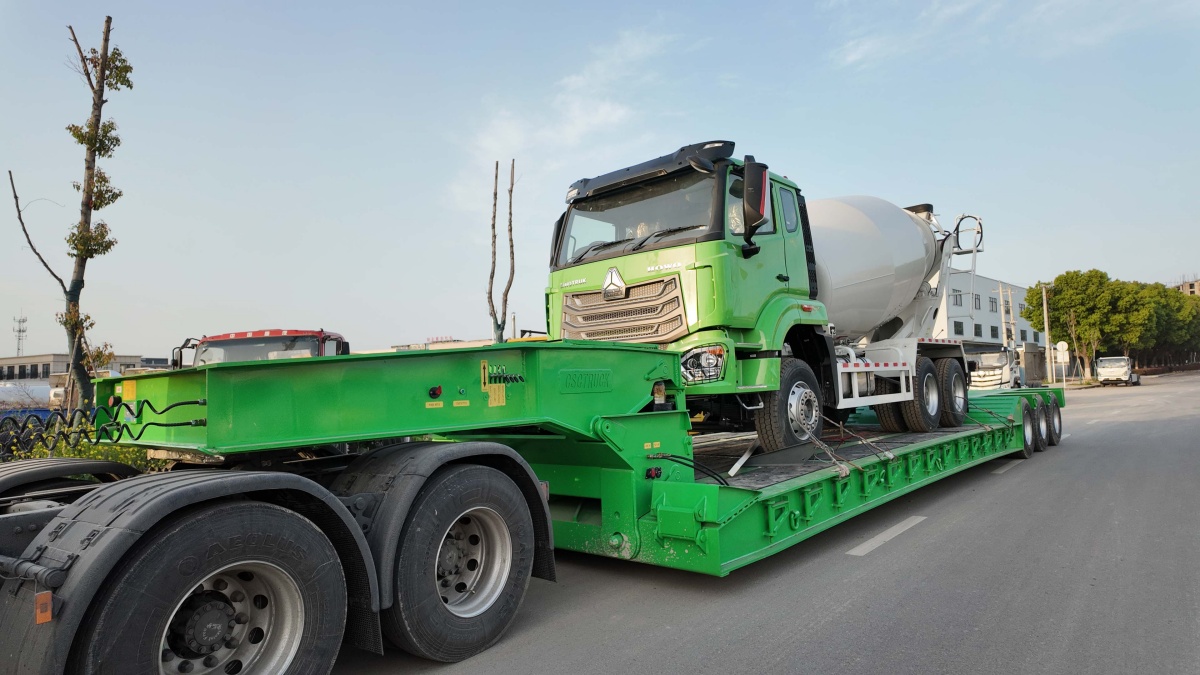
Advantages of Lowbed Semi-Trailers for Heavy Equipment Transport
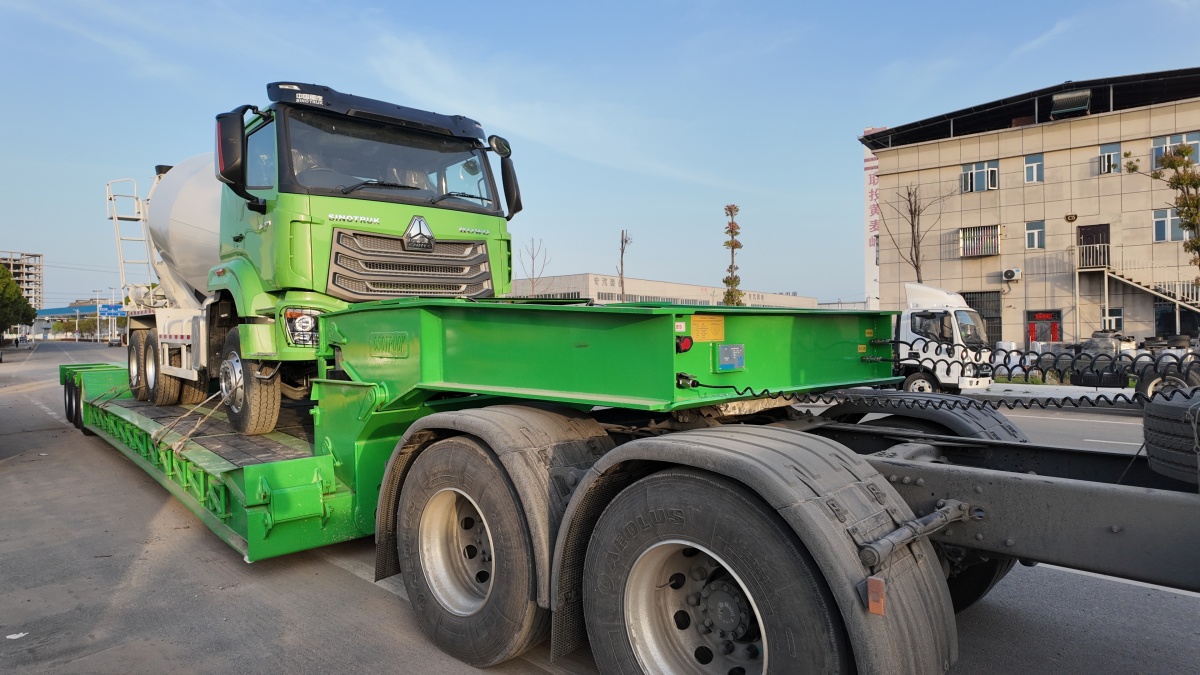
Lowbed semi-trailers are specifically designed to carry oversized and high-weight cargo safely and efficiently.
Lower Deck Height
The lowered loading platform reduces the overall transport height, allowing large equipment to pass under bridges, power lines, and other infrastructure obstacles.
High Load Capacity
Modern lowbed trailers can handle exceptionally heavy machinery, making them ideal for port equipment transportation.
Enhanced Stability
The low center of gravity improves stability during transit, reducing the risk of cargo shifting or accidents.
Flexible Loading Options
Many lowbed trailers feature hydraulic ramps or detachable goosenecks, enabling equipment to be driven directly onto the trailer.
The Logistics Process for Delivering Port Equipment to Yemen
Successful execution of Lowbed Trailers requires careful planning and coordination across multiple transportation stages.
Equipment Collection
Heavy machinery is collected from manufacturers, assembly plants, or storage facilities using specialized loading equipment.
Inland Transportation
Lowbed semi-trailers transport the machinery to export ports where the equipment will be prepared for international shipment.
Port Handling Operations
At the port, logistics teams coordinate loading procedures using cranes, roll-on/roll-off systems, or heavy-lift vessels.
Ocean Freight Transportation
The equipment is shipped via cargo vessels to Yemeni ports for final delivery.
Final Delivery
Upon arrival, lowbed trailers once again play an important role by transporting the equipment from the port to construction sites, logistics hubs, or terminal facilities.
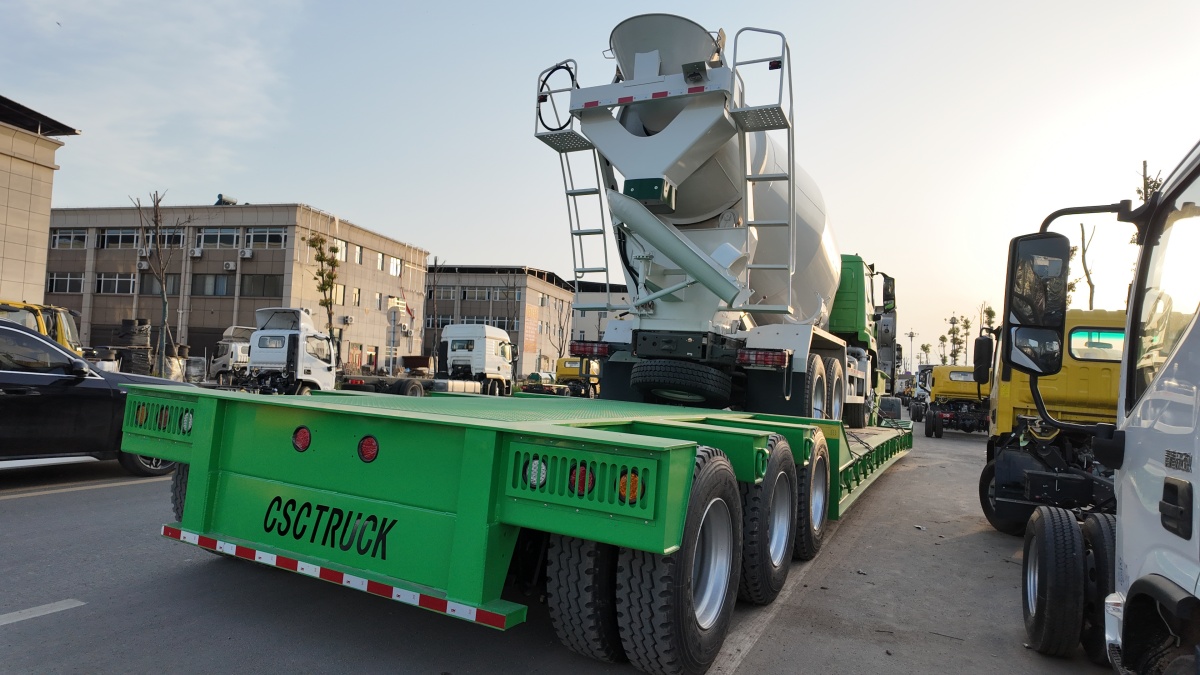
Key Challenges in Yemen Port Equipment Deliveries
Transporting heavy equipment to Yemen can involve additional logistical considerations.
Infrastructure Limitations
Certain roads and bridges may impose weight restrictions that require route surveys and engineering assessments.
Customs and Documentation
Heavy equipment shipments often require extensive customs documentation and import permits.
Security and Risk Management
Project logistics providers must carefully evaluate transportation routes and operational risks throughout the delivery process.
Equipment Dimensions
Large cranes and container-handling machines may require escort vehicles, special permits, and detailed transport planning.
Technology Improving Heavy Equipment Logistics
The transportation industry continues to adopt advanced technologies that improve efficiency and safety.
Common solutions include:
- GPS vehicle tracking
- Real-time cargo monitoring
- Route optimization software
- Digital fleet management systems
- Electronic proof-of-delivery platforms
These innovations help logistics providers maintain visibility throughout every stage of the Lowbed Trailers.
Selecting the Right Logistics Partner
When planning port equipment transportation projects, businesses should evaluate logistics providers based on:
- Heavy-haul transportation experience
- Availability of specialized lowbed trailers
- International shipping expertise
- Customs clearance capabilities
- Safety compliance standards
- Project management resources
- Local knowledge of Yemeni transportation conditions
A qualified logistics partner can significantly reduce delays, costs, and operational risks.
The Future of Port Equipment Transportation
As global trade continues to expand, ports throughout the Middle East and surrounding regions are investing heavily in infrastructure upgrades. This trend is expected to increase demand for specialized transportation services capable of moving increasingly larger and more sophisticated machinery.
Consequently, Lowbed Trailers will remain an essential component of international project logistics, supporting the efficient movement of critical port equipment from manufacturers to operational terminals.
Conclusion
The successful delivery of port equipment requires more than just transportation—it demands detailed planning, specialized equipment, and experienced logistics coordination. Lowbed semi-trailers provide the strength, flexibility, and safety necessary for handling oversized machinery throughout the supply chain.
As Yemen continues to develop its port infrastructure, Lowbed Trailers will continue to play a crucial role in ensuring that heavy equipment reaches its destination efficiently, safely, and on schedule.