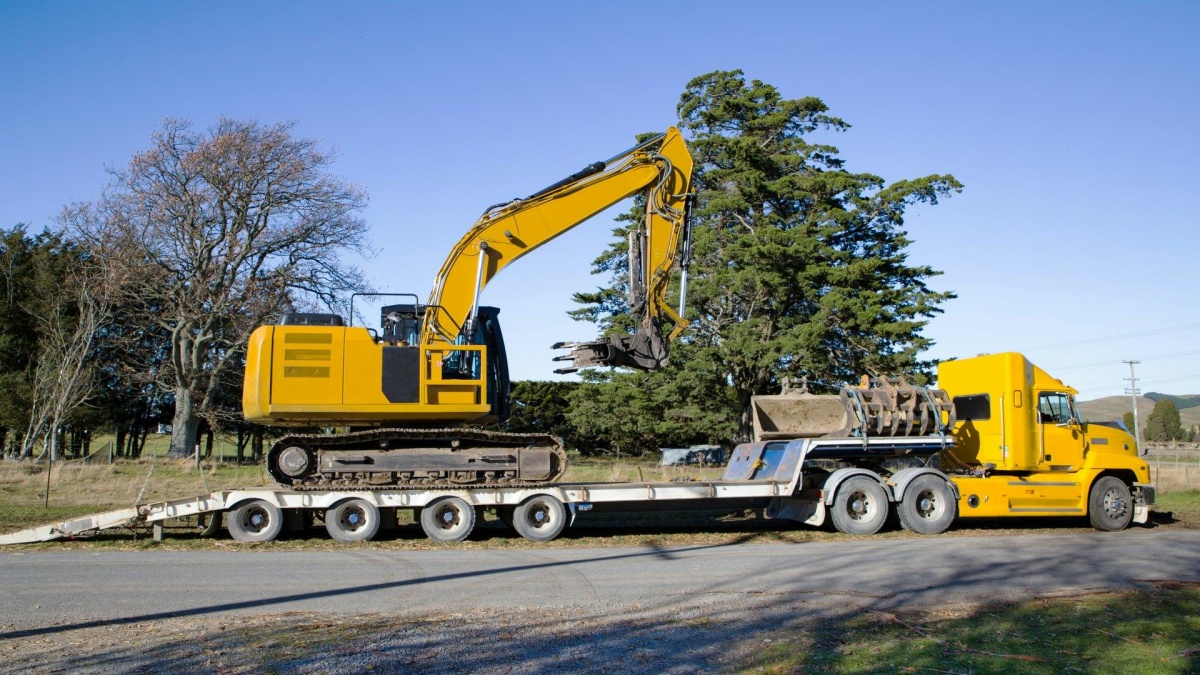
For transporting oversized and ultra-heavy equipment, ordinary trailers often face one major challenge: how to load extremely heavy machinery while keeping the trailer height as low as possible.
This is where the Detachable Lowbed Trailer becomes essential.
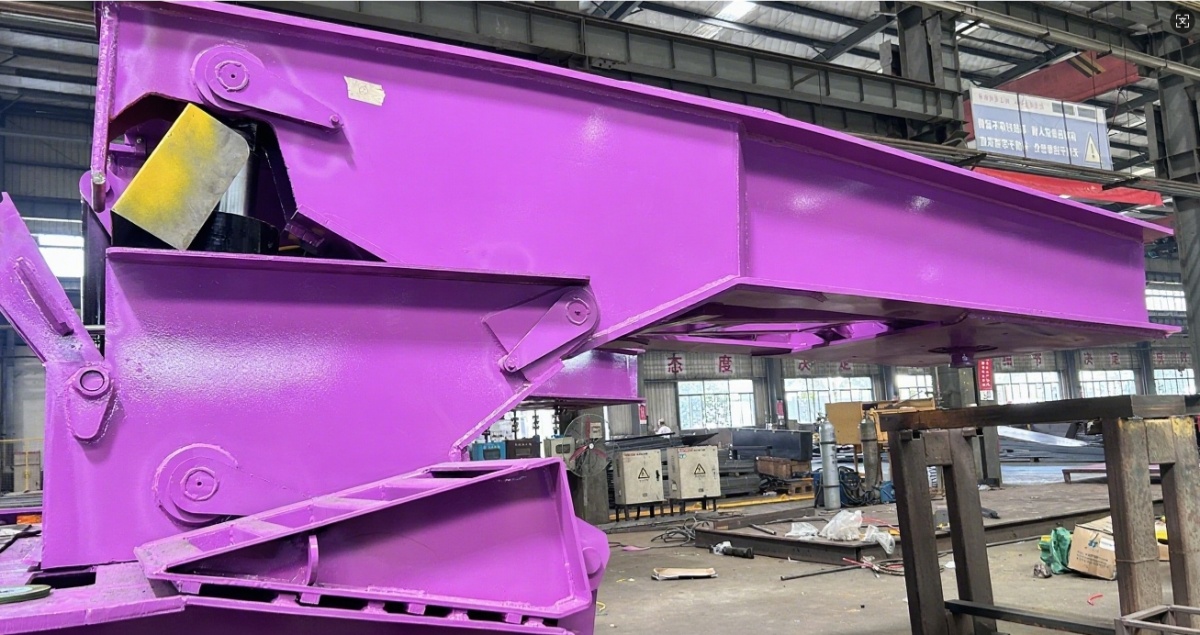
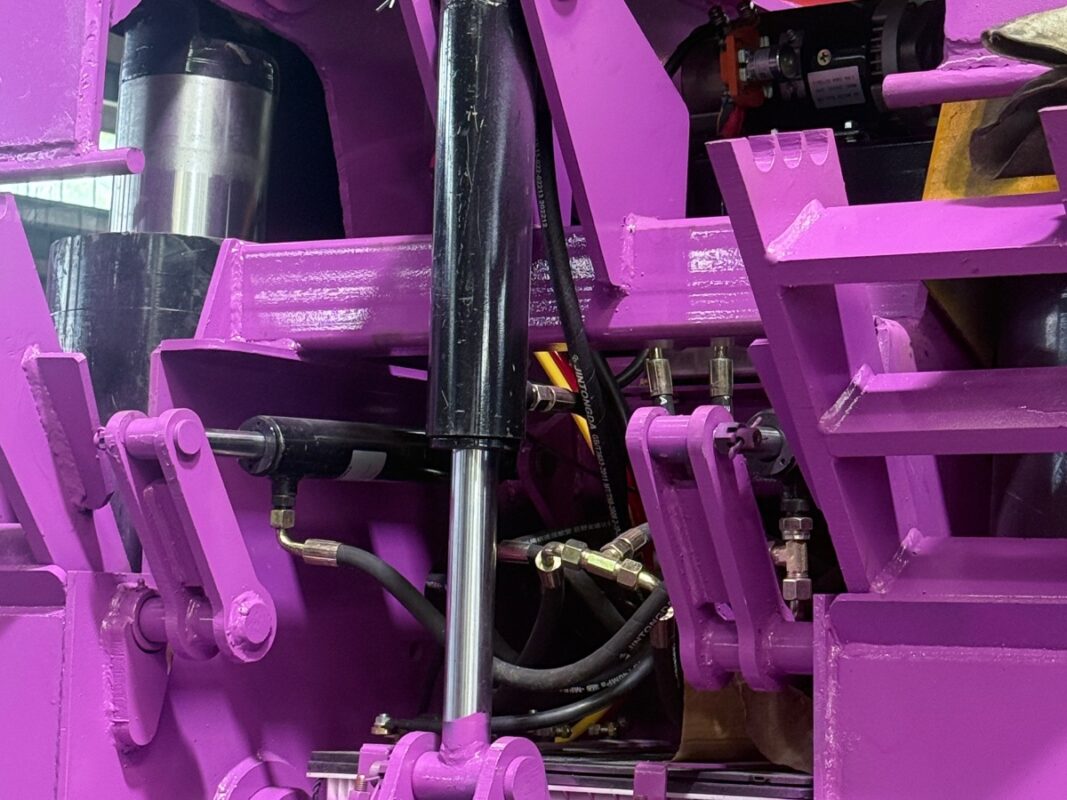
The key technology behind this type of trailer is the Hydraulic Gooseneck System — an innovative mechanism that allows the front gooseneck section to hydraulically detach, lower, and reconnect without requiring cranes or additional lifting equipment.
But how exactly does this system work?
What Is a Hydraulic Gooseneck?
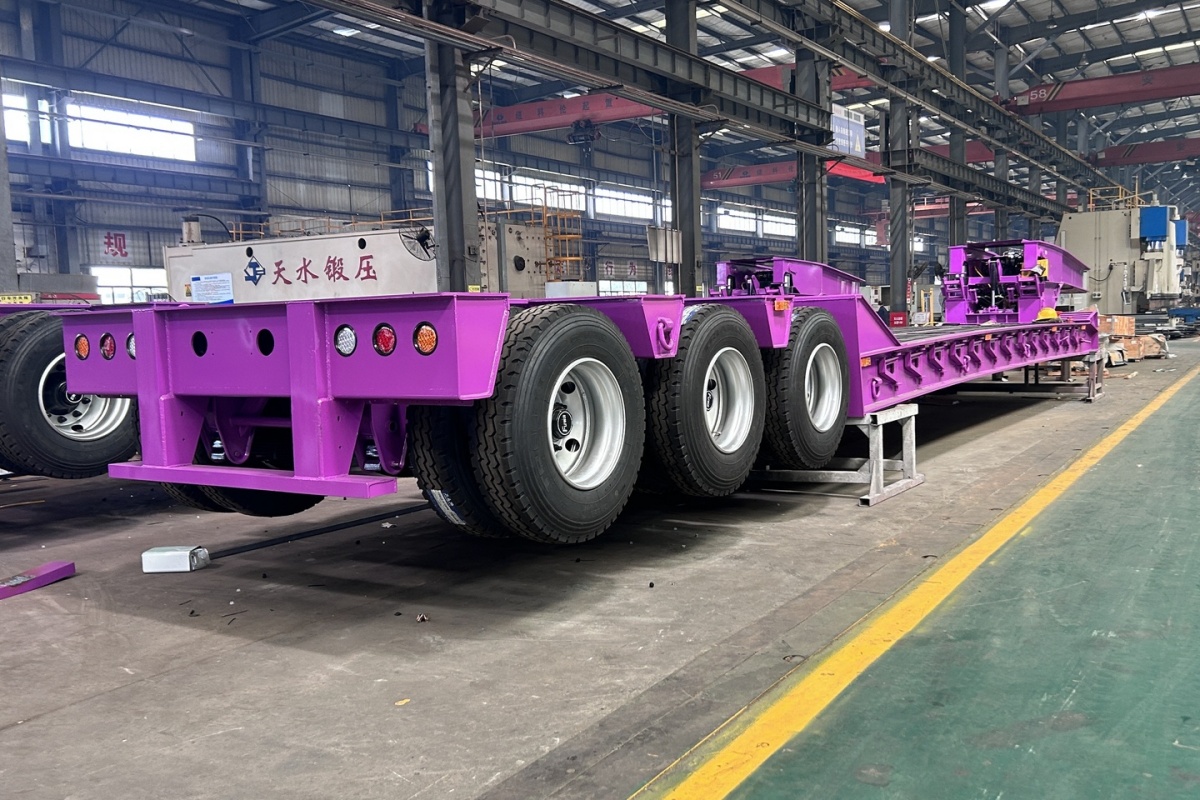
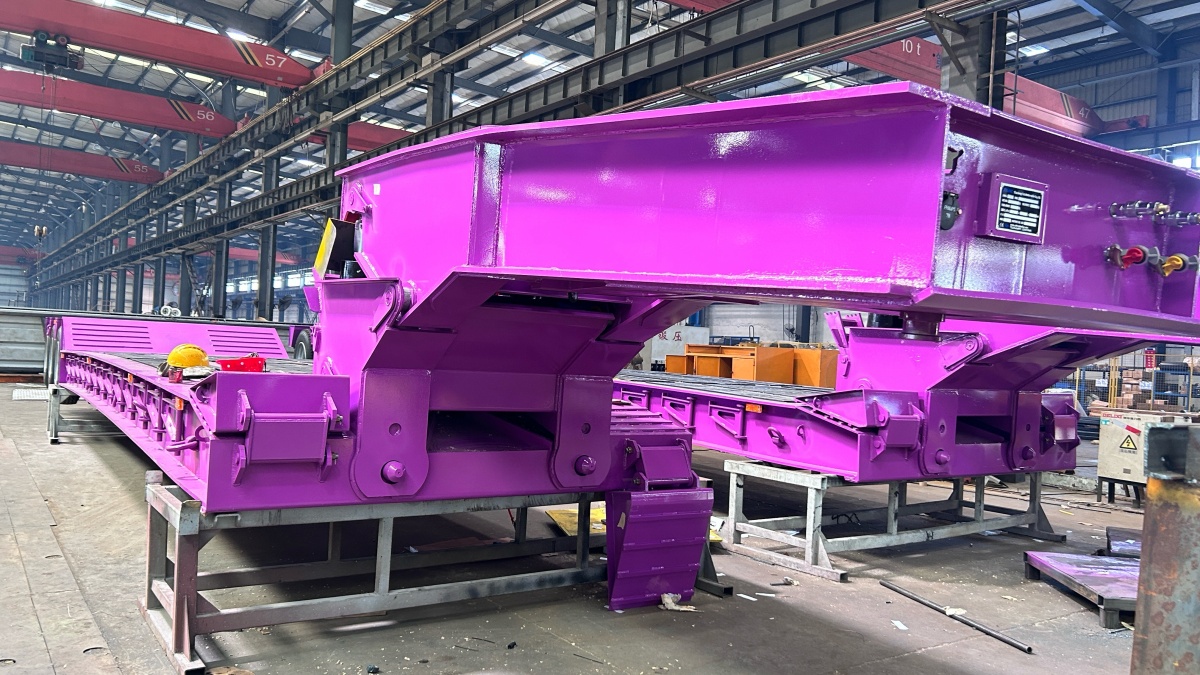
A Hydraulic Gooseneck is the front connecting structure of a Detachable Lowbed Trailer that links the trailer deck to the tractor.
Unlike a traditional fixed-neck trailer, the hydraulic gooseneck uses:
- Hydraulic cylinders
- Locking pins
- Pivot connections
- Hydraulic control system
to control the movement of the trailer neck.
Its main purpose is simple:
Lower the deck to the ground for easy loading, then reconnect securely for transportation.
Why Do Lowbed Trailers Need a Detachable Gooseneck?
Heavy equipment transportation creates a unique problem.
Machines such as:
- Excavators
- Bulldozers
- Mining equipment
- Cranes
- Large construction machinery
They are extremely heavy and often cannot be lifted easily.
A standard trailer requires ramps or cranes, which can increase loading difficulty.
The Detachable Gooseneck Design solves this problem by allowing the trailer itself to become a loading ramp.
The front section can disconnect, the deck lowers, and the equipment can simply drive onto the trailer.
How Does the Hydraulic Gooseneck Work?
The working process can be divided into several steps:
Step 1: Hydraulic Unlocking
Before loading, the operator activates the hydraulic control system.
The locking mechanism releases the gooseneck from the trailer deck.
Hydraulic cylinders control the movement and safely support the trailer structure during separation.
Step 2: Gooseneck Detachment
The hydraulic gooseneck moves away from the trailer platform.
The front of the trailer is lowered toward the ground, creating a smooth loading path.
At this stage:
- No crane is required
- No external lifting equipment is needed
- Loading time is reduced
Step 3: Ground-Level Loading
Once the deck is lowered, heavy equipment can drive directly onto the trailer.
This is one of the biggest advantages of a Lowbed Trailer.
The low loading angle helps:
- Protect machinery
- Reduce loading risk
- Improve operational efficiency
Step 4: Hydraulic Reconnection
After loading is completed, the process reverses.
The hydraulic cylinders raise the gooseneck back into position.
The locking system securely connects the neck and deck, creating a strong structure ready for highway transportation.
Engineering Advantages of Hydraulic Gooseneck Design
1. Lower Loading Height
The biggest advantage of a Detachable Lowbed Trailer is its extremely low deck height.
A lower platform means:
- Higher cargo clearance
- Easier transport under bridges
- Better stability on the road
This is critical when moving oversized equipment.
2. Faster Loading Without Extra Equipment
Traditional heavy transport may require:
- Cranes
- Ramps
- Additional support equipment
With a Hydraulic Gooseneck System, loading becomes faster and more flexible.
One operator can complete the process through hydraulic controls.
3. Improved Safety and Stability
The hydraulic system provides controlled movement during:
- Detachment
- Loading
- Reconnection
This reduces sudden movement and improves safety for both operators and equipment.
Hydraulic Gooseneck vs Fixed Gooseneck Trailer
| Feature | Hydraulic Gooseneck Lowbed | Fixed Gooseneck Trailer |
|---|---|---|
| Loading method | Drive-on loading | Requires ramps |
| Deck height | Extremely low | Higher |
| Heavy equipment handling | Excellent | Limited |
| Loading flexibility | High | Medium |
| Operation efficiency | Faster | Slower |
Where Are Detachable Lowbed Trailers Used?
The Detachable Lowbed Trailer is widely used in industries requiring heavy and oversized transport.
Construction Industry
Transporting:
- Excavators
- Loaders
- Bulldozers
- Piling machines
Mining Industry
Moving:
- Mining equipment
- Heavy machinery
- Large components
Infrastructure Projects
Used for:
- Bridge construction equipment
- Road machinery
- Industrial modules
Future Development of Hydraulic Gooseneck Technology
Modern Hydraulic Gooseneck Systems continue to improve with:
- Remote hydraulic control
- Stronger lightweight materials
- Automated locking systems
- Improved safety monitoring
The goal is to make heavy transport faster, safer, and more efficient.
Conclusion
The Hydraulic Gooseneck System is the core technology that makes a Detachable Lowbed Trailer so effective.
By allowing the trailer deck to lower directly to the ground, it solves one of the biggest challenges in heavy equipment transportation: loading oversized machinery safely and efficiently.
The “detach, load, and reconnect” process is not just a mechanical feature — it is the engineering advantage that makes modern heavy-haul transportation possible.