
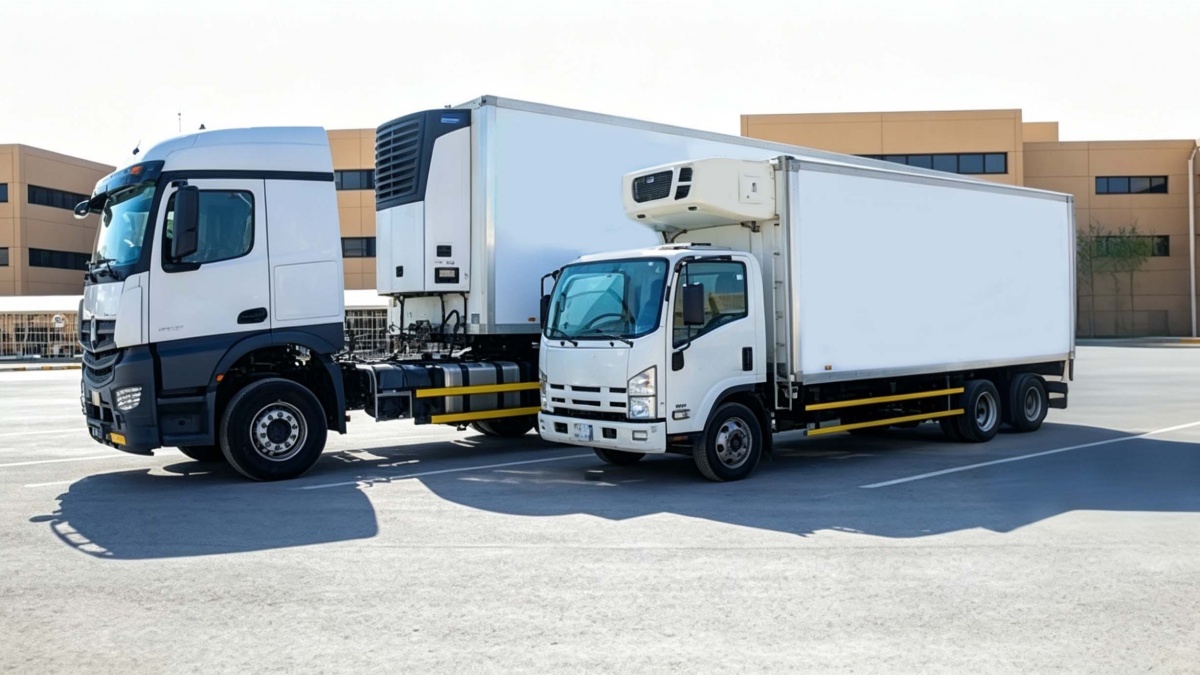
For many patients living with diabetes in Kenya, access to insulin depends on much more than medical supplies. The real challenge begins after production — keeping insulin at the correct temperature while transporting it across long distances, challenging roads, and remote regions.
This is where the Refrigerated Truck becomes a critical part of the Insulin Cold Chain Logistics system.
From major medical warehouses in Nairobi to small healthcare facilities in rural villages, temperature-controlled transportation ensures that insulin remains safe, effective, and available for patients who rely on it every day.
Why Does Insulin Need a Cold Chain?
Unlike ordinary cargo, insulin is a temperature-sensitive pharmaceutical product.
During transportation, it must be protected from:
- Excessive heat
- Freezing temperatures
- Direct sunlight
- Long exposure outside controlled conditions
The Cold Chain System maintains a continuous temperature-controlled environment from storage facilities to the final delivery point.
A typical journey involves:
- Pharmaceutical warehouse storage
- Refrigerated truck transportation
- Regional medical centers
- Rural clinics and healthcare stations
Any temperature failure during this process can affect product quality.
The Journey: From Nairobi to Remote Villages
The logistics route often starts in Nairobi, where many pharmaceutical distribution centers are located.
A Refrigerated Truck collects insulin shipments and begins the journey toward remote areas.
The truck may travel through:
- High-temperature regions
- Long rural roads
- Uneven terrain
- Areas with limited infrastructure
This makes reliable temperature control a major engineering challenge.
How Does a Refrigerated Truck Protect Insulin?
A modern Pharmaceutical Refrigerated Truck is equipped with several technologies to maintain stable conditions.
1. Advanced Refrigeration Unit
The refrigeration system continuously removes heat from the cargo compartment.
Key components include:
- Cooling compressor
- Evaporator system
- Temperature controller
- Backup power system
These systems allow the truck to maintain a controlled environment even during long-distance transportation.
2. Real-Time Temperature Monitoring
Modern Cold Chain Trucks use digital monitoring technology.
Sensors track:
- Internal temperature
- Door opening events
- Cooling performance
- Transport conditions
If temperatures move outside the required range, operators can receive alerts and take immediate action.
3. Insulated Cargo Compartments
The cargo area uses high-quality insulation materials to reduce heat transfer.
This helps maintain stable temperatures when:
- The truck stops frequently
- Doors are open
- Outside temperatures rise
For routes in Kenya’s hot climate, insulation performance is especially important.
Challenges of Rural Medical Delivery in Kenya
Delivering insulin to remote villages involves challenges beyond refrigeration.
1. Extreme Weather Conditions
Some areas experience very high temperatures, making cooling reliability essential.
The Refrigerated Truck must continue operating under harsh environmental conditions.
2. Long Transportation Distances
Remote healthcare facilities may be hundreds of kilometers away from major cities.
Long travel times require:
- Reliable refrigeration
- Fuel efficiency
- Strong vehicle durability
3. Limited Infrastructure
Some rural areas have:
- Poor road conditions
- Limited electricity supply
- Few medical storage facilities
This makes transportation quality even more important.
Why Refrigerated Trucks Are Essential for Healthcare Logistics
The role of a Refrigerated Truck goes beyond transportation.
It provides:
Product Safety
Maintains the quality and effectiveness of insulin during delivery.
Healthcare Accessibility
Connects urban pharmaceutical centers with rural communities.
Logistics Reliability
Creates a stable link between suppliers and patients.
Without a reliable Cold Chain Logistics Network, many essential medicines would struggle to reach the people who need them.
Technology Development: The Future of Medical Cold Chain
Modern Refrigerated Transport Vehicles are becoming smarter.
Future systems may include:
- IoT temperature monitoring
- Remote fleet management
- Energy-efficient cooling systems
- Automated delivery tracking
These technologies help reduce waste and improve healthcare supply reliability.
Conclusion
The journey of insulin from Nairobi to remote Kenyan villages is not only a transportation challenge — it is a temperature-control mission.
The Refrigerated Truck plays a vital role in maintaining the Insulin Cold Chain Logistics, ensuring that life-saving medicine arrives safely despite distance, climate, and infrastructure challenges.
Behind every successful medical delivery is a carefully engineered system where refrigeration technology, logistics planning, and reliable transportation work together to protect public health.