Cargo trucks are the backbone of modern logistics, transporting goods across cities, states, and continents. Understanding their payload capacity—the maximum weight a truck can legally and safely carry—is critical for businesses, drivers, and logistics planners. This article explores the factors influencing payload capacity, common truck types, and regulatory considerations, providing a comprehensive guide for efficient freight management.
1. Understanding Payload Capacity
Payload capacity refers to the maximum weight a truck can carry, including cargo, passengers, and additional equipment. It is calculated by subtracting the truck’s curb weight (empty weight) from its Gross Vehicle Weight Rating (GVWR). For example, if a truck’s GVWR is 33,000 lbs and its curb weight is 18,000 lbs, its payload capacity is 15,000 lbs.
Factors Affecting Payload Capacity
- Truck Design: Frame strength, suspension, and axle configuration determine how much weight a truck can handle.
- Tire Ratings: Load range and tire pressure must align with the intended payload.
- Fuel and Fluids: A full tank or additional fluids reduce available payload capacity.
- Regulatory Limits: Legal weight restrictions vary by region and road type.
2. Types of Cargo Trucks and Their Payloads
Different trucks are designed for specific freight needs. Below are common types and their typical payload ranges.
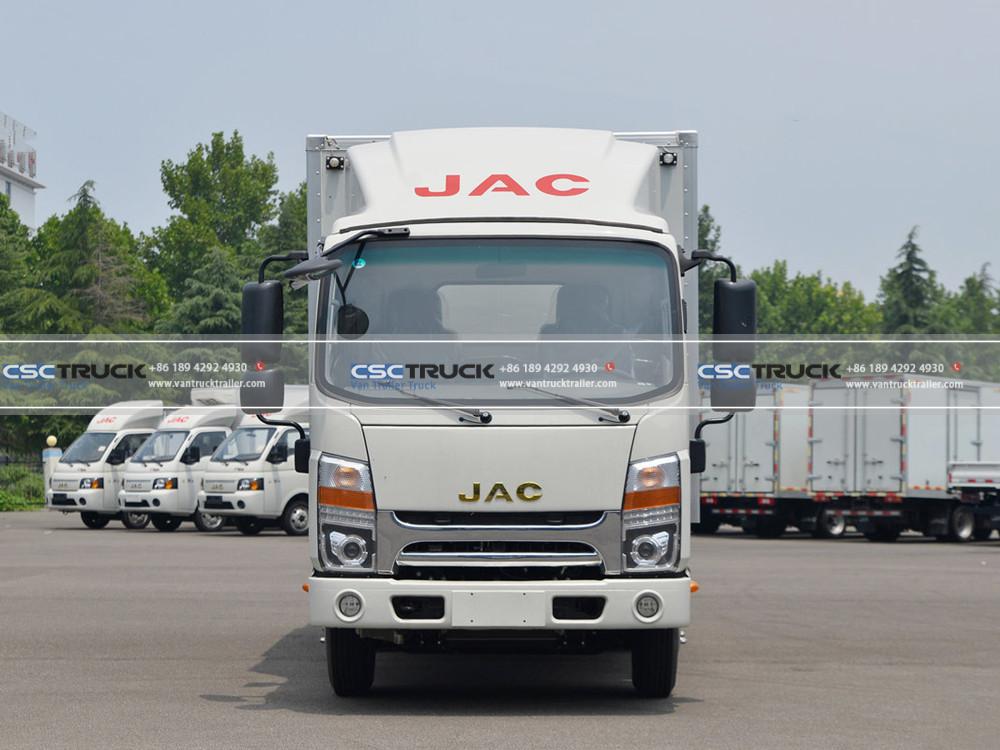
Light-Duty Trucks (e.g., Pickup Trucks, Van Trucks)
- Payload: 1,000–3,000 lbs
- Common Uses: Small deliveries, moving household items, and local logistics.
- Example: A van truck like the Ford Transit 350 can carry up to 4,400 lbs, ideal for urban deliveries.
Medium-Duty Trucks (e.g., Box Trucks, Flatbeds)
- Payload: 10,000–26,000 lbs
- Common Uses: Regional freight, construction materials, and bulk goods.
Heavy-Duty Trucks (e.g., Semi-Trucks, Dump Trucks)
- Payload: 40,000–80,000 lbs (or more with special permits)
- Common Uses: Long-haul freight, mining, and heavy construction.
- Example: A standard dump truck can haul 15–25 tons, while articulated models handle even heavier loads.
3. Legal Weight Limits and Compliance
Truck weight regulations ensure road safety and infrastructure protection. Key considerations include:
Federal and State Regulations (U.S.)
- Federal Bridge Formula: Limits axle weights to prevent road damage.
- State Variations: Some states allow higher weights with permits.
Overweight Penalties
Exceeding legal limits results in fines, delayed shipments, or forced unloading. Proper weight distribution across axles is crucial to avoid violations.
4. Maximizing Payload Efficiency
Optimizing payload capacity improves fuel efficiency and reduces costs. Strategies include:
Load Distribution
- Balance weight evenly to prevent axle overload.
- Use palletized cargo for easier stacking and securement.
Choosing the Right Truck
- Match freight type to truck design (e.g., van trucks for fragile goods, dump trucks for loose materials).
- Consider specialized trailers for oversized loads.
5. Specialized Cargo Trucks and Their Roles
Dump Trucks
- Primary Use: Transporting loose materials like gravel, sand, or debris.
- Payload Range: 15–30 tons, depending on size (e.g., standard vs. articulated).
Van Trucks and Trailers
- Enclosed Protection: Ideal for electronics, perishables, and high-value goods.
- Customization: Companies like vantrucktrailer.com offer modified van truck trailers for niche industries.
6. Future Trends in Cargo Truck Payloads
Advancements in materials, aerodynamics, and electric drivetrains are reshaping payload capacities:
- Lightweight Materials: Aluminum and composite bodies increase payload without sacrificing durability.
- Electric Trucks: Battery weight reduces payload slightly, but improved efficiency offsets losses.
- Autonomous Logistics: AI-driven load optimization ensures maximum legal weight utilization.
As logistics evolve, selecting the right truck—whether a dump truck for construction or a van truck for last-mile delivery—remains essential for efficient operations. For specialized solutions, platforms like vantrucktrailer.com provide tailored options to meet diverse freight needs.