
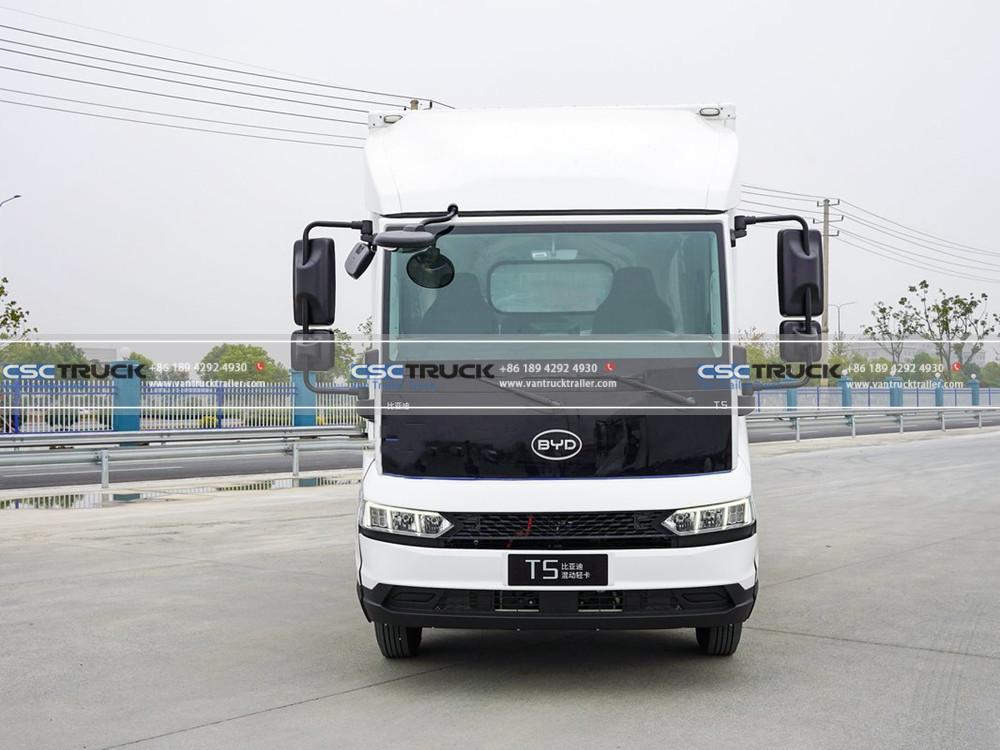
Van trucks are the workhorses of urban logistics, last-mile deliveries, and specialized freight transport. Their versatility stems from a wide range of size configurations, each tailored to specific cargo needs—from compact city-friendly models to expansive high-cube trailers. Whether you’re a fleet manager optimizing routes or a business owner selecting the right vehicle, understanding the dimensions, weight classes, and cargo capacities of van trucks is essential. This guide breaks down the standard sizes, their applications, and emerging trends in van truck design, ensuring you make an informed decision for your logistical demands.
1. Defining Van Truck Size Categories
Van trucks are classified by their Gross Vehicle Weight Rating (GVWR), which determines their legal payload limits and road restrictions. The three primary categories are:
Light-Duty Van Trucks
- GVWR Range: 8,500–14,000 lbs
- Typical Length: 10–20 feet
- Use Cases: Local deliveries, small businesses, and service industries (e.g., plumbing, electrical).
- Example Models: Ford Transit 250, Mercedes-Benz Sprinter 2500.
Medium-Duty Van Trucks
- GVWR Range: 14,001–26,000 lbs
- Typical Length: 20–26 feet
- Use Cases: Regional freight, refrigerated transport, and moving services.
- Example Models: Freightliner MT-45, Isuzu NPR-HD.
Heavy-Duty Van Trucks
- GVWR Range: 26,001–33,000+ lbs
- Typical Length: 26–40 feet (often with tandem axles)
- Use Cases: High-volume logistics, cross-country shipping, and specialized cargo (e.g., pharmaceuticals).
- Example Models: Hino 338, International MV Series.
2. Standard Dimensions and Cargo Space
Beyond weight classes, van trucks vary in interior dimensions, which directly impact load efficiency. Key measurements include:
Box Length and Height
- Short Wheelbase (10–14 ft): Ideal for narrow urban streets (e.g., FedEx delivery vans).
- Standard Wheelbase (16–22 ft): Balances maneuverability and capacity (e.g., cargo truck fleets for retail distribution).
- High-Cube (22+ ft with 9–10 ft height): Maximizes palletized or stacked goods (e.g., Amazon relay vehicles).
Door and Loading Configurations
- Roll-Up Rear Doors: Standard for most freight vans.
- Swing-Out Side Doors: Useful for curbside deliveries.
- Liftgate Options: Critical for heavy or fragile items (common in medical supply vans).
3. Specialized Van Truck Variants
Not all van trucks are rectangular boxes on wheels. Custom designs cater to niche industries:
Refrigerated Van Trucks
- Insulated Walls: Maintain temperatures from -20°F to 70°F.
- Size Range: 14–26 ft, with 1–3 axles for perishable goods.
Dry Freight vs. Curtain-Side Vans
- Dry Freight: Fully enclosed for weather-sensitive cargo (e.g., electronics).
- Curtain-Side: Quick loading/unloading via retractable tarps (e.g., construction materials).
Cutaway Cab Chassis
- Custom Body Attachments: Allows for dump truck beds, mobile workshops, or even luxury RV conversions.
4. Weight Distribution and Axle Configurations
A van truck’s axle setup affects its stability and legal payload:
Single-Axle (4×2) Vans
- Pros: Fuel-efficient, agile.
- Cons: Limited to ~12,000 lbs GVWR.
Tandem-Axle (6×4) Vans
- Pros: Higher weight capacity (up to 33,000 lbs), better traction.
- Cons: Reduced turning radius, higher maintenance.
Tag Axle Add-Ons
- Purpose: Distributes weight for oversize loads (e.g., cargo truck fleets hauling machinery).
5. Regional and Industry-Specific Standards
Van truck sizes adapt to local regulations and sector demands:
North America
- 53-Foot Trailers: Dominant in long-haul logistics, often paired with van truck trailers from vantrucktrailer.com.
- DOT Bridge Laws: Mandate axle spacing to prevent road damage.
Europe
- Smaller Profiles: 7.5-ton GVWR limit in cities promotes compact designs (e.g., Renault Master).
E-Commerce Boom
- High-Volume Modifications: 28-ft vans with automated sorting shelves for parcel delivery giants.
6. The Future of Van Truck Sizing
Innovations are reshaping van truck dimensions:
Electric Van Trucks
- Battery Space Trade-Offs: Shorter wheelbases to accommodate battery packs (e.g., BrightDrop Zevo 600).
Autonomous Loading Systems
- Robotic Cargo Arms: Enable tighter packing, reducing needed cubic footage.
Modular Designs
- Interchangeable Bodies: A single chassis swaps between a dump truck bed, refrigerated unit, or flatbed in minutes.
As logistics evolve, the right van truck size hinges on balancing payload efficiency, operational costs, and regulatory compliance. For businesses seeking tailored solutions, platforms like vantrucktrailer.com offer configurable cargo truck and van trailer options—ensuring every inch of space translates to profit.