
Hydraulic hoist systems are essential in construction, mining, and heavy transport equipment. When a hoist cylinder leak occurs, two of the most common symptoms are slow drops and skipping stages during lifting or lowering operations. These issues may look similar on the surface, but they often point to different internal failures inside the hydraulic system.
This blog breaks down how to diagnose these problems, what causes them, and how technicians typically isolate the root failure.
1. Understanding the Symptoms
A healthy hoist cylinder should move smoothly under controlled hydraulic pressure. When something goes wrong, two key behaviors often appear:
Slow Drops
The load gradually lowers even when the control valve is in neutral. This usually indicates internal leakage, where hydraulic oil bypasses seals inside the cylinder.
Skipping Stages
The cylinder moves unevenly—jerking, pausing, or failing to extend smoothly. This often indicates pressure instability or air contamination, but can also be linked to partial seal failure.
While both symptoms involve motion irregularity, their root causes are not always the same.

2. Hydraulic Cylinders in Vehicles and Mobile Equipment
Hoist cylinder systems are not limited to stationary industrial machines—they are widely used in vehicles equipped with hydraulic systems, including:
- Dump trucks
- Mixer trucks
- Waste compactor trucks
- Crane trucks and lifting vehicles
In these applications, the hydraulic cylinder is responsible for lifting truck beds, dumping loads, or operating boom structures.
Because these vehicles operate in harsh and often remote environments, a failure such as slow drop or skipping movement can quickly become a safety and productivity issue. For example, a dump truck experiencing a slow drop may have its bed unintentionally lowering, while a mining vehicle with unstable hydraulic movement may face unsafe unloading conditions. This makes early diagnosis especially critical in mobile hydraulic systems.
3. Common Causes of Slow Drops
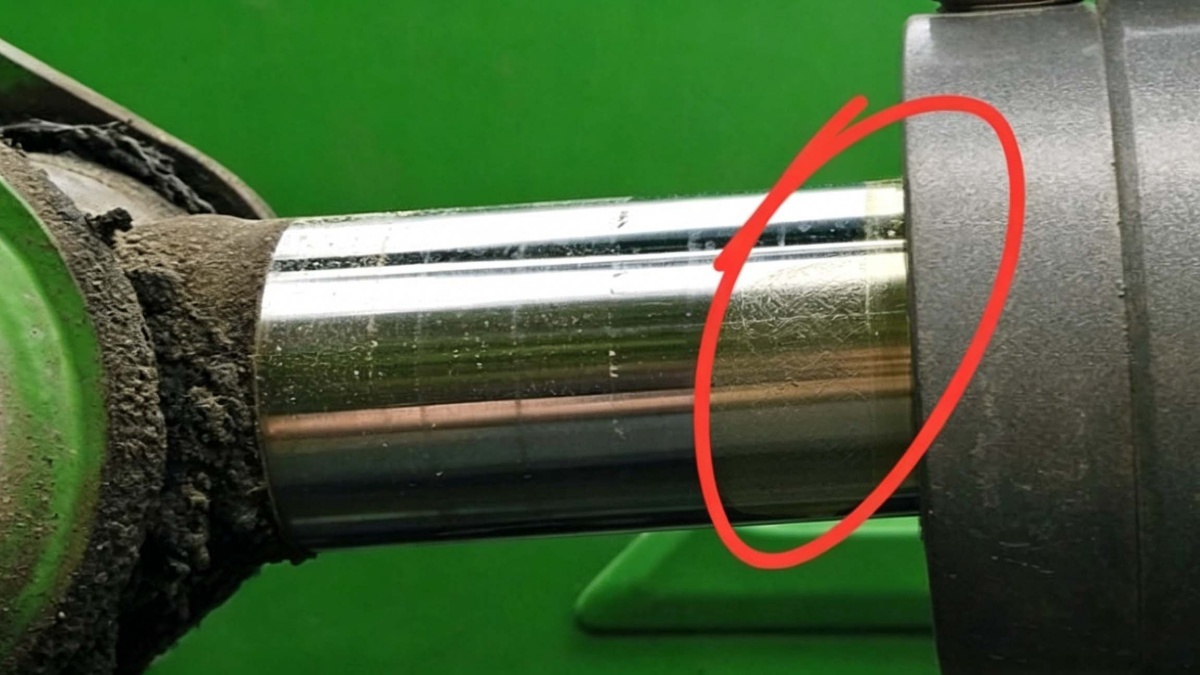
A slow drop is most commonly caused by internal or external leakage.
Internal Seal Wear
The most frequent issue is worn piston seals inside the hoist cylinder. When seals degrade, hydraulic oil slowly bypasses the piston, allowing the load to drift downward.
Valve Leakage
Directional control valves can also leak internally. Even when the system is “closed,” oil may still flow through microscopic gaps.
External Leakage
Hydraulic fittings, hoses, or rod seals may leak externally, reducing system pressure over time.
A simple field check is to raise the load fully and monitor whether the cylinder holds position without valve input. If it slowly lowers, internal leakage is highly likely.

4. Why Skipping Stages Happens
Unlike slow drops, skipping stages usually indicates inconsistent pressure or flow delivery.
Air in the System
Air bubbles compress under pressure, causing jerky or uneven motion. This is one of the most common causes after maintenance or hose replacement.
Contaminated Hydraulic Oil
Dirt or metal particles can block valves or restrict flow, resulting in inconsistent cylinder movement.
Pump Instability
A worn or cavitating hydraulic pump may fail to deliver steady pressure, leading to sudden pauses or jumps in movement.
Partial Seal Damage
If seals are partially damaged but not fully failed, pressure may build and release unevenly, producing a stick-slip motion.
5. Diagnostic Approach
To correctly identify the issue, technicians typically follow a structured process:
- Visual inspection – Check for external oil leaks
- Load test – Observe whether the cylinder holds position
- Pressure testing – Measure system pressure stability
- Isolation test – Separate the cylinder from the valve system if needed
- Oil condition check – Look for contamination or aeration
The key is distinguishing between mechanical leakage (seals/valves) and systemic issues (pump/air/contamination).
6. Repair and Prevention
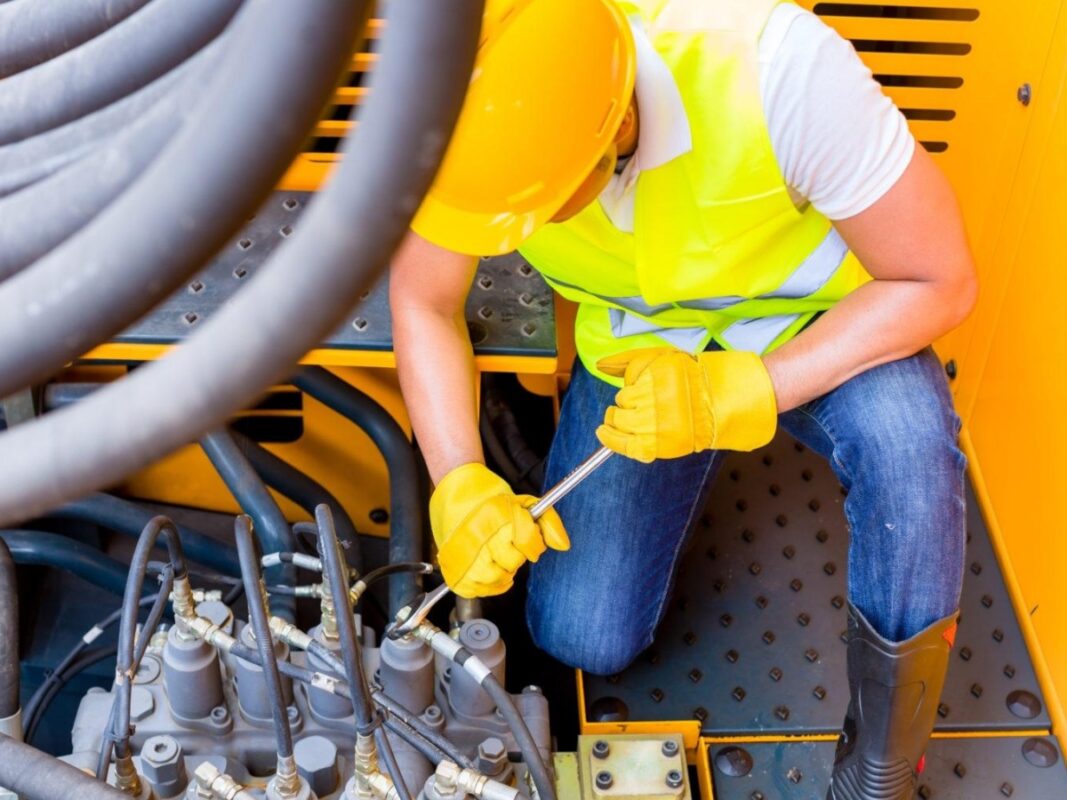
Once the root cause is identified, repairs may include:
- Replacing piston seals or rod seals
- Rebuilding control valves
- Flushing and replacing hydraulic oil
- Bleeding air from the system
- Servicing or replacing the hydraulic pump
Preventive maintenance is critical. Regular oil analysis, seal inspection, and contamination control significantly reduce the likelihood of recurrence.
Conclusion
A hoist cylinder leak diagnosis requires careful observation and systematic testing. While slow drops usually point to internal leakage, skipping stages often signals air or pressure instability in the system.
Understanding the difference helps technicians avoid unnecessary part replacements and reduces downtime in both industrial equipment and hydraulic system vehicles, such as dump trucks and mining haul trucks. With proper diagnostics and maintenance practices, hydraulic hoist systems can maintain smooth and reliable performance even under demanding workloads.